
























As temperatures begin to drop and the winter chill settles in, the daily run of home air conditioners comes to a complete halt. A cooling appliance that works day and night through the scorching heat of the peak summer season suddenly sits idle for several continuous months. Many households simply press the remote power button and forget about the unit until the next heatwave arrives. However, leaving an expensive cooling machine completely unattended for a prolonged period can invite hidden technical troubles, degraded cooling efficiency, and hefty repair bills when it is turned on again. With a few mindful and practical precautions, you can protect the internal hardware of your air conditioner and maintain its optimal working life for years to come.
Deep Cleaning the Filters to Remove Trapped Debris
Before shutting down an air conditioner for its seasonal winter hiatus, thoroughly cleaning the air filters located inside the indoor panel is the most fundamental task. During months of non-stop summer operation, these filters trap substantial amounts of fine airborne dust, pet dander, and environmental grit. Leaving that buildup intact throughout the winter causes the debris to harden and cake over the mesh. When the appliance is switched back on months later, this blocked surface severely restricts airflow and heavily degrades cooling output. To clean them correctly, unclip the filters carefully from the indoor casing, wash them gently under regular running water, and allow them to dry completely in an open, airy location. Reinstall the filters only when they are entirely moisture-free to prevent dirt accumulation or fungal growth inside the unit.
Eliminating Residual Moisture from Internal Coils
Ensuring that no water or moisture lingers inside the indoor chassis before long-term storage is vital. If your specific model includes a fan-only mode or a dry mode setting, run that feature in accordance with the manufacturer's user manual for a short period before turning off the appliance completely. Running the internal blower fan on its own evaporates condensation sitting on the cooling fins and dries out the internal drain pan. If residual dampness is sealed inside a dark, unventilated casing over months of cold weather, it inevitably creates a breeding ground for mildew, fungus, and foul odors. This neglect often results in a musty, stale smell blasting across the living space the moment the system is powered on next summer.
Switching Off Mains Power and Unplugging the Unit
Relying solely on the remote control handset to power down an air conditioner for the winter is a widespread and costly mistake. When switched off only through the remote, the machine remains in an active standby status, continuously drawing baseline phantom power across its circuitry. Furthermore, winter months often bring sudden voltage spikes, electrical fluctuations, and grid instability that can quietly damage sensitive printed circuit boards and electronic relays. The safest and most effective method is to turn off the dedicated wall isolation switch or circuit breaker completely. If the appliance connects directly through a standard high-amp wall plug, safely pulling the plug from the receptacle eliminates all risk of phantom power consumption and electrical damage.
Outdoor Unit Upkeep and Maintaining Free Ventilation
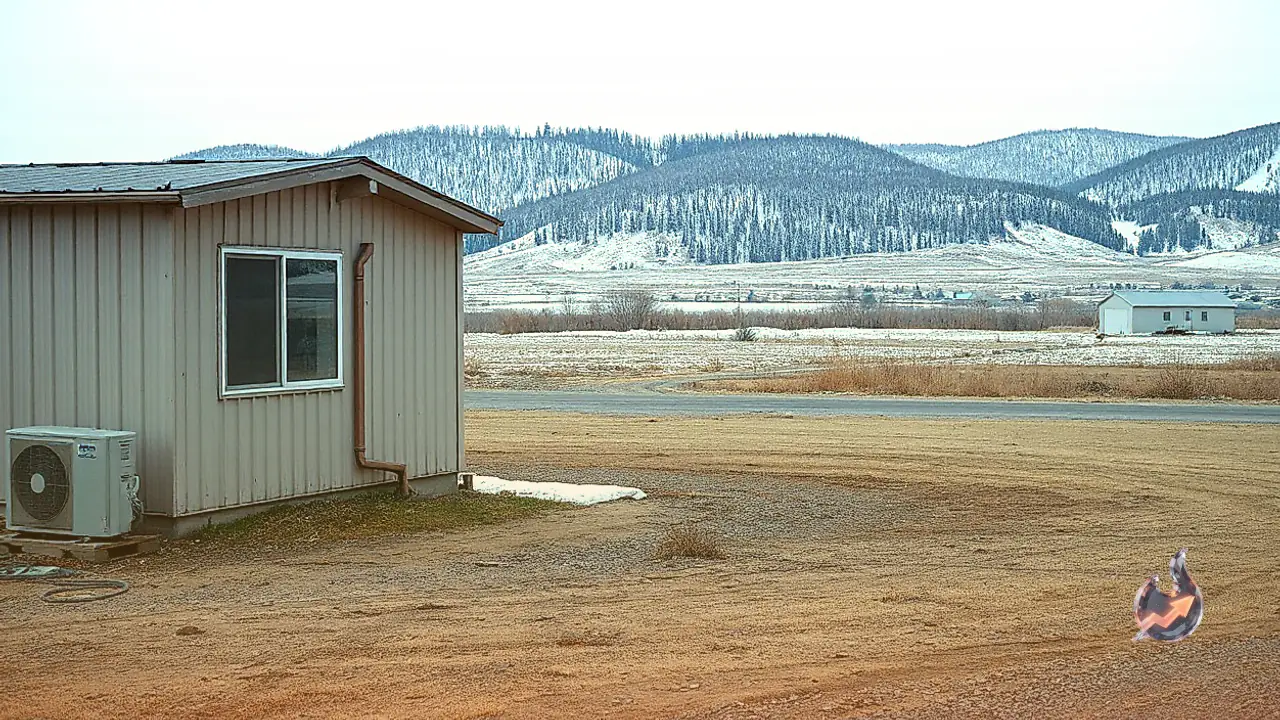
In split air conditioning systems, the outdoor condensing unit demands dedicated attention because it sits fully exposed to changing weather conditions. Installed on balconies, rooftops, or exterior building brackets, the outdoor enclosure gathers windblown leaves, loose dirt, bird droppings, and urban debris. Keep the immediate perimeter around the outdoor unit tidy and clear to preserve unobstructed air circulation paths. Some homeowners wrap the outdoor cabinet tightly in thick plastic sheeting, which traps lingering humidity inside the casing and accelerates rust and corrosion on internal metal components. The outdoor unit should never be wrapped in airtight materials that choke off natural airflow and ventilation.
Using Breathable Covers and Clearing Surrounding Storage
To shield the indoor unit from settled room dust over the extended idle phase, fit a clean, dry, and breathable fabric slipcover over the front panel. Similarly, suitable protective coverings can be utilized on the outdoor assembly to deflect pelting rain, dust, and loose rubbish, provided the covering does not obstruct natural ventilation. Alongside covers, avoid the common habit of using the space directly beneath the indoor unit or the top flat surface of the outdoor unit as temporary household storage. Placing heavy boxes or storage bins on top of the outdoor casing can dent the protective metal housing, misalign internal fan assemblies, and impair airflow dynamics when summer arrives. Always maintain adequate clearance around all sides of both assemblies.
Inspecting Connecting Pipes, Electrical Cables, and Drainage
Prior to putting the system to rest for the cold months, conduct a close visual inspection of the copper refrigerant lines, insulation wrapping, electrical wiring, and condensate drainage pipes. Check whether rodents or pests have gnawed on exposed cabling, and verify that the protective thermal foam around the copper piping has not cracked, degraded, or fallen away. Additionally, examine the drain hose for any visible blockages, splits, or loose connections. Spotting minor wear, insulation loss, or cracked piping at the beginning of winter gives you ample time to arrange timely repairs, preventing frustrating breakdowns and sudden delays when you urgently need cool air next summer.
Arranging Pre-Season Servicing Before Summer Startup
After sitting inactive for multiple consecutive months, firing up the air conditioner without prior inspection is not recommended. Before the intense heat of the next season commences, schedule a comprehensive checkup with a qualified and dependable service technician. A professional inspection should evaluate refrigerant pressure levels, coil cleanliness, filter integrity, electrical wiring terminals, and the unobstructed flow of the condensate drain. Once all vital components have been checked and cleared for operation, regular cooling use can resume safely. By keeping these straightforward and practical practices in mind, you keep your air conditioner well protected through the winter chill and secure uninterrupted, efficient cooling throughout the summer.