






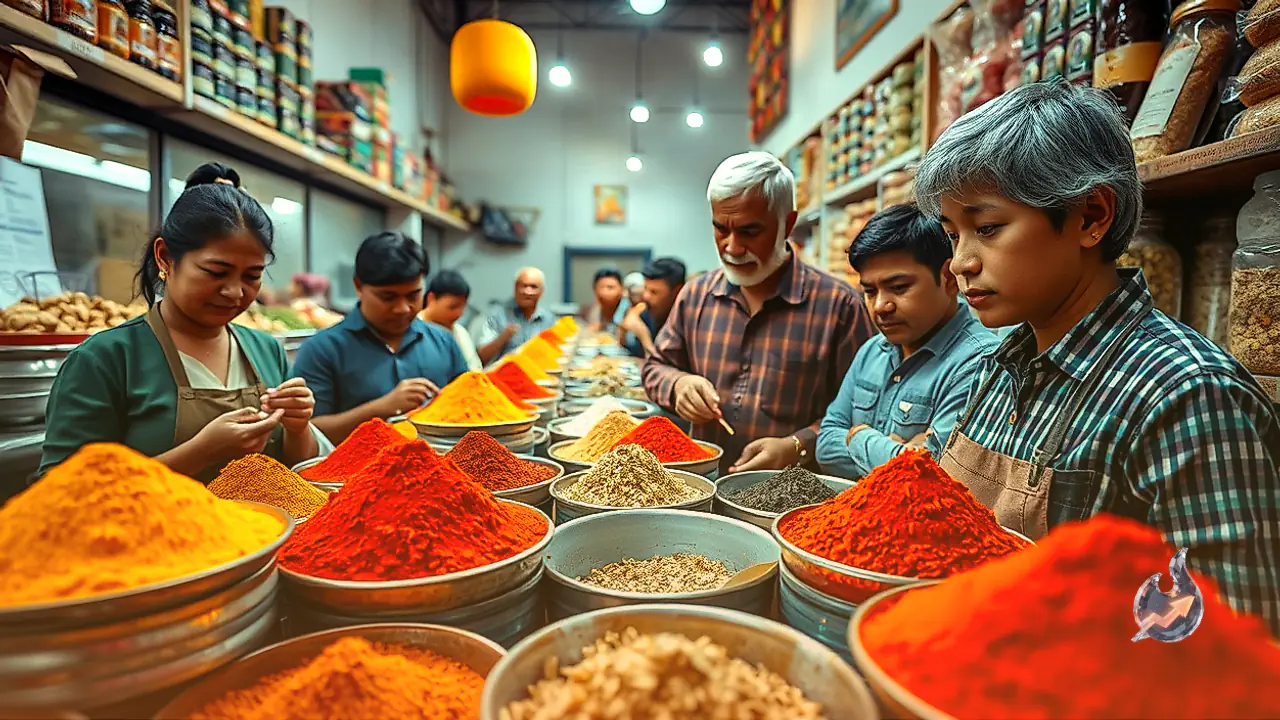
















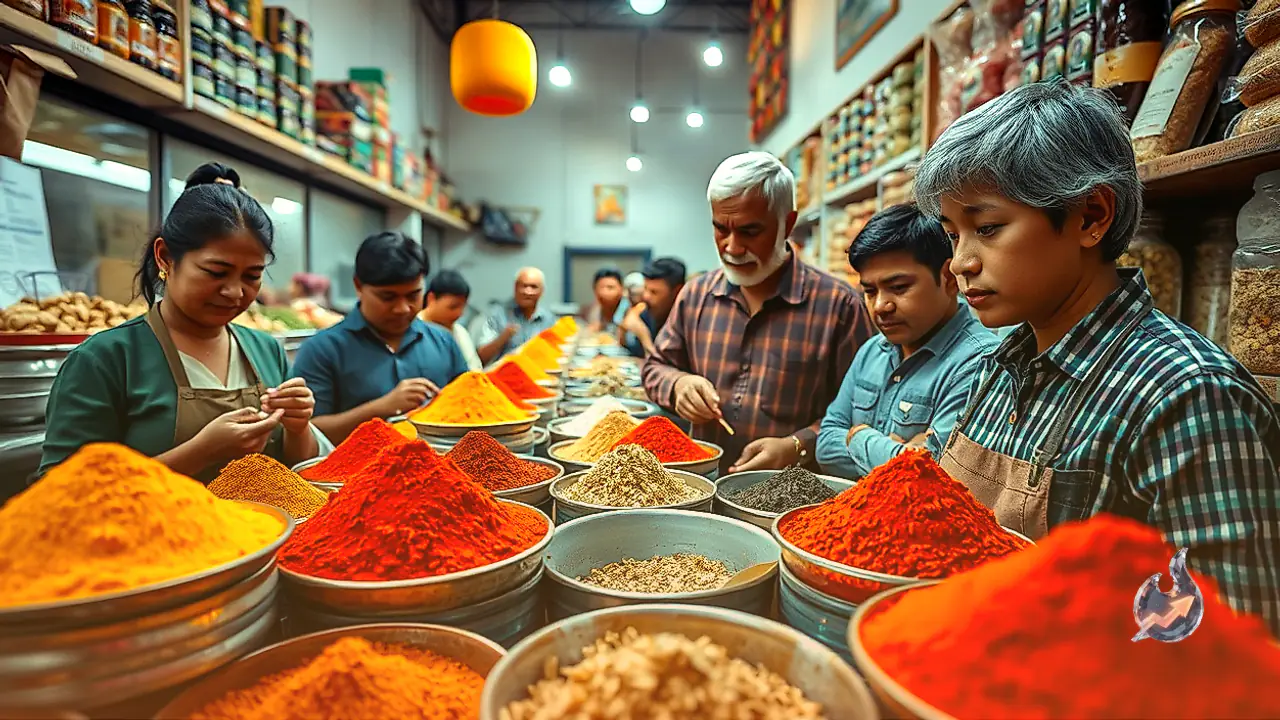

Spices hold a central place in daily cooking across millions of households. Turmeric, red chili powder, coriander, and cumin not only impart rich flavors and vibrant colors to meals but also offer significant health benefits. However, as the demand for pre-ground packaged spices has surged, so has the prevalence of food adulteration in the retail market. Consumers frequently select spice packets based solely on eye-catching visual packaging, vivid colors, or discounted price tags, but an attractive container does not guarantee genuine quality.
The Food Safety and Standards Authority of India (FSSAI) regularly cautions consumers to inspect product labels and package seals thoroughly before making a purchase. Powdered spices are particularly susceptible to adulteration with harmful chemical dyes, starch, chalk powder, sawdust, or industrial waste products that are difficult to detect with the naked eye. To protect your family from toxic additives, adhering to key inspection steps when purchasing household spices is essential.
Why Detecting Adulteration in Powdered Spices Is Difficult
Assessing the quality and authenticity of whole spices is straightforward because consumers can easily observe their physical structure, natural aroma, and texture. Conversely, once spices are ground into a fine powder, blending bulk fillers or foreign substances becomes much easier to disguise. For example, industrial chemicals like metanil yellow can be mixed into turmeric, brick dust into chili powder, and fine wood dust or starch into ground coriander.
It is worth noting that not every variation in color implies an adulterated product. Natural spices vary in color depth and essential oil potency depending on their geographic origin, soil conditions, and crop variety. Therefore, a lighter or darker shade alone does not automatically mean a product is fake. Buyers should evaluate physical cues alongside formal labeling information to verify authenticity.
7 Crucial Rules to Follow When Buying Spices
To guard against commercial fraud and health risks, always check these 7 safety parameters before buying packaged or loose spices
1. Verify the FSSAI License Number and Brand Details
Always locate the official FSSAI logo and the 14-digit license number printed on the spice packaging. Additionally, read the full manufacturer name, packing address, and official brand credentials. An FSSAI license demonstrates that the processor operates under regulatory food safety guidelines. However, a printed number alone is not absolute proof of purity, so cross-examine it with other safety criteria.
2. Check the Manufacturing Date and Best-Before Window
Examine the manufacturing date and the best-before duration printed on the reverse side of the pack. This provides clarity regarding freshness and optimal usage timelines. While exceeding a best-before date does not instantly render a product toxic, it often results in lost aroma, degraded flavor, and potential nutritional decline. Always choose recently packed units and store them in a cool, dry place away from humidity.
3. Be Cautious of Excessively Bright or Unnatural Colors
If turmeric powder displays an unnaturally intense neon yellow or chili powder looks unnaturally deep red, exercise caution. Unscrupulous suppliers sometimes use synthetic dyes to mask poor raw material quality and attract buyers. While organic variations exist, excessively vibrant hues warrant double checking the rest of the package details before buying.
4. Do Not Ignore Clumping and Abnormal Odors
If a box or pouch of ground spice contains hard lumps or emits a damp, musty, or chemical smell, avoid purchasing it. Clumping usually indicates moisture exposure or sub-standard storage conditions. If you notice a complete lack of natural spice aroma or a bitter off-flavor upon opening a pouch at home, refrain from cooking with it and alert the retailer or food safety officers.
5. Inspect Package Sealing and Lot / Batch Numbers
Ensure that the outer pouch or plastic container shows no signs of tampering, punctures, loose heat seals, or resealing. The packaging must be airtight to preserve freshness. Furthermore, take note of the batch or lot number printed on the box. In the event of quality failure, this batch code serves as vital evidence for consumer complaints and regulatory tracing.
6. Consider Purchasing Whole Spices to Grind at Home
Whenever practical, buying whole coriander seeds, cumin, black pepper, dry ginger, and whole turmeric rhizomes to grind at home is a safer alternative. Whole spices are significantly harder to adulterate, and their physical quality can be judged immediately. Even so, inspect whole spices for stones, dirt, or insect infestation before grinding, ensuring you buy from reputable, clean vendors.
7. Avoid Buying Unpackaged Loose Powdered Spices
Steer clear of open, unpackaged ground spices sold in loose bins or open roadside stalls. Unsealed powders are heavily exposed to dust, moisture, insects, and airborne contaminants. Loose spices also carry the highest risk of deliberate adulteration, making accountability nearly impossible. Prioritize sealed products from registered producers with complete label compliance.
How to File a Formal Quality Complaint
If you discover adulterated or unsafe spices, preserve the original packaging along with the purchase receipt. You can lodge an official complaint with your state food safety department or utilize the online portal Connect FSSAI by providing the batch number and seller details. Remaining a vigilant shopper protects your household and helps eliminate unsafe practices in the food market.