






















Black pepper remains an essential ingredient across everyday cooking, featuring regularly in morning teas, seasonal vegetables, lentils, and a wide variety of aromatic spice blends. Beyond enhancing flavor profiles, it is also widely used in traditional home preparations. Because of its constant presence in household diets, the circulation of counterfeit spices presents a major health hazard. Authorities recently uncovered a factory in Ghaziabad where fake black pepper was allegedly being produced using ingredients such as glue and refined flour. This discovery highlights the need for buyers to exercise greater vigilance while purchasing this spice from local markets and retail stores.
Inspecting Surface Texture And Uniformity Of Pepper Corbs
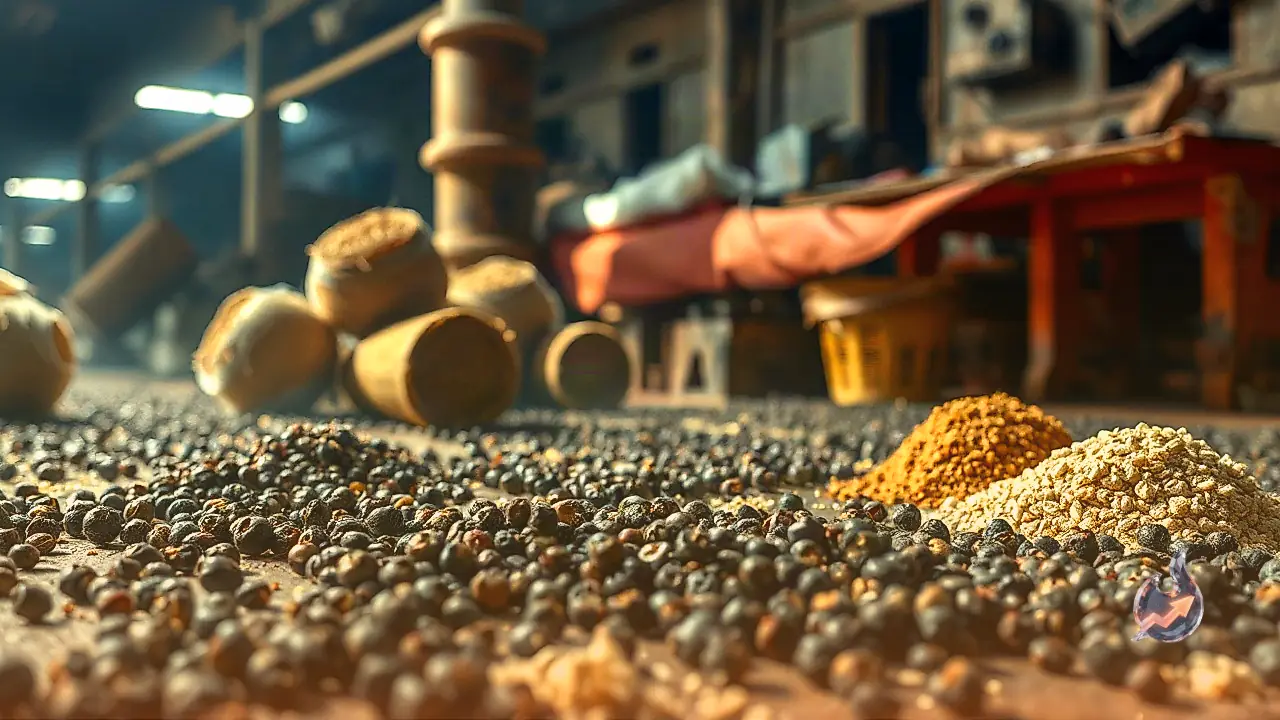
The natural structure of black peppercorns provides a dependable indicator of their authenticity. When genuine peppercorns undergo standard drying processes, their outer layer develops an uneven, wrinkled, and naturally textured surface that often appears slightly concave. In contrast, counterfeit pieces created from dough or binders tend to display an artificial look. If a batch contains peppercorns that are unusually smooth or identically shaped across the entire sample, consumers should proceed with caution. Natural produce rarely displays absolute symmetry, meaning that perfectly smooth or identical spheres strongly point toward tampering.
Assessing The Natural Sharp Aroma Upon Crushing
Authentic black pepper carries a pungent, distinctive, and entirely natural scent that becomes immediately noticeable when its volatile oils are released. When a genuine peppercorn is crushed or pressed firmly against a hard surface, it releases a sharp, clean, and unmistakable aroma. If the crushed sample gives off only a very faint smell, lacks that characteristic sharpness, or carries an unfamiliar chemical odor, the overall quality and composition of the product are highly questionable. Genuine spice aroma cannot be easily replicated by inert binders or flour mixtures.
Avoiding Raw Taste Tests And Checking Packaged Credentials
Relying solely on tasting raw spices while shopping can carry distinct health risks and should generally be avoided. Consuming adulterated substances raw, particularly when industrial glue or substandard starches have been blended in, may lead to digestive distress and other adverse effects. Inspection should instead be based on visual and olfactory cues. When purchasing packaged black pepper, shoppers must carefully examine the integrity of the seal, packaging date, batch number, ingredient list, and relevant food safety compliance details printed on the label. When sourcing from a reliable and trusted seller, opting for verified loose, whole peppercorns can sometimes offer greater transparency than unverified pre-packaged bags.
Steering Clear Of Unusually Low Prices And Reporting Violations
Under ordinary trading conditions, quality whole spices maintain steady market prices. Whenever a vendor offers black pepper at rates significantly lower than the prevailing market price, shoppers must scrutinize the source and condition of the stock before completing the purchase. Drastically cheap prices frequently serve as a lure to offload counterfeit or sub-standard goods. In instances where a buyer suspects that purchased black pepper has been adulterated or is unsafe for use, it should immediately be set aside. Consumers can report such concerns directly to the relevant food safety department, submitting the product sample along with purchase receipts and associated documentation to prompt formal action.