























When shopping for everyday groceries, buyers often fall into the trap of picking produce solely because it looks polished and glossy on the vendor's stall. Outwardly appealing vegetables can frequently turn out rotten, dry, or tasteless on the inside, carrying subtle flaws that shoppers routinely overlook. Addressing this common household dilemma, certified nutritionist and weight loss specialist Leema Mahajan has detailed practical guidelines on inspecting vital signs before purchasing fresh vegetables to ensure quality and nutrition.
Testing Okra Freshness Through Crispness and Snap
Selecting ladyfinger requires verifying how recently it was harvested to prevent buying tough, fibrous pods. When checking an individual pod, gently press and bend its pointed tip or body. If the pod merely bends without snapping cleanly in the middle, it indicates that the vegetable is stale and should be left behind. Fresh, tender okra will readily break with a distinct, crisp snapping sound under slight pressure, which confirms its culinary freshness and soft texture.
Assessing Lemon Juiciness from Skin Resistance
Lemons often mislead buyers regarding the amount of liquid hidden beneath their peel. If a lemon feels completely rigid, unyielding, and excessively hard when pressed between your fingers, avoid purchasing it, as such specimens typically yield little to no juice. Conversely, lemons that feel overly soft, squishy, or sunken under gentle pressure are prone to internal spoilage or decay. The ideal lemon yields slightly to firm touch without feeling mushy or rock-like.
Identifying Healthy Broccoli by Florets and Firm Stalks
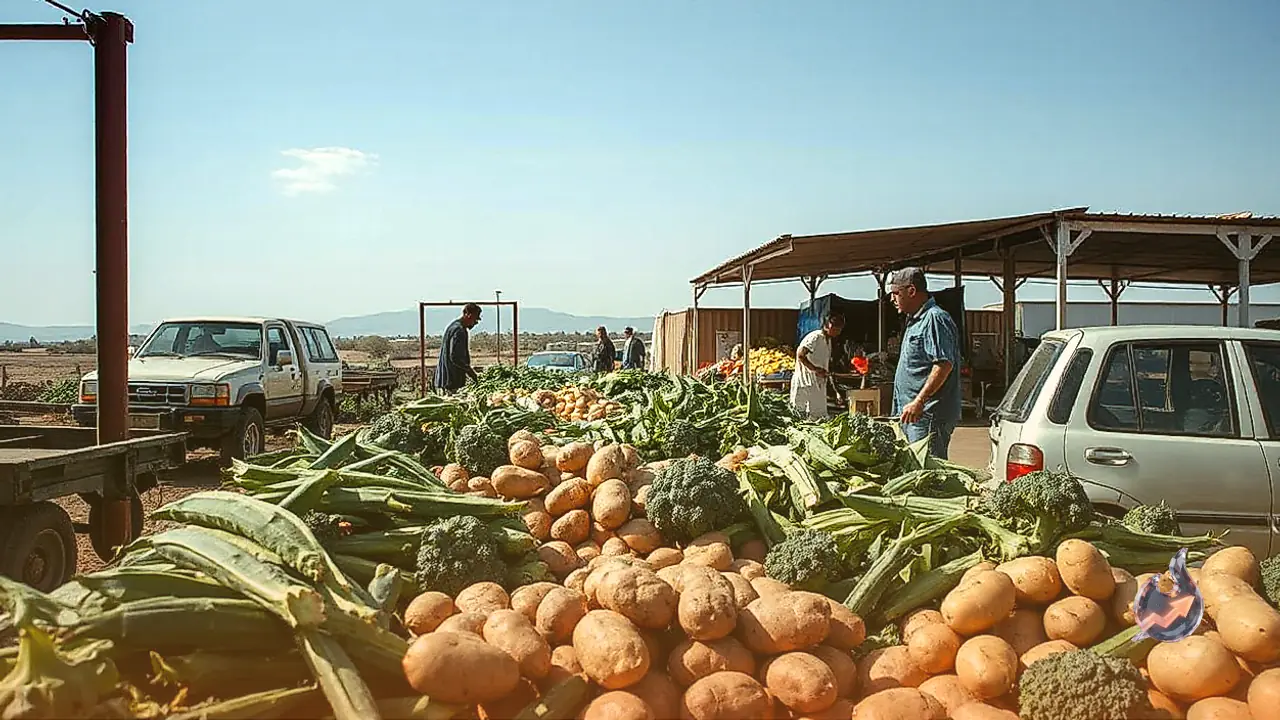
Broccoli demands close visual and tactile scrutiny to guarantee you are purchasing nutrient-dense greens. While inspecting broccoli crowns, ensure there are no yellow patches or brownish discolorations across the florets, as any yellowing indicates over-ripeness and deterioration. Furthermore, examine the main stalk: it must be rigid, vibrant green, and visibly fresh. A stalk that feels mushy, slimy, sticky, or dehydrated serves as an unmistakable warning of decay.
Steering Clear of Green Potatoes and Bland Sweet Potatoes
Potatoes and sweet potatoes present distinct visual cues that reveal their underlying culinary quality. If a potato exhibits visible green patches on its outer skin, it should not be bought, as this coloration produces an unpleasant, bitter taste. Similarly, sweet potatoes frequently disappoint by turning out completely bland after cooking. To avoid bland roots, inspect the outer peel carefully and prioritize sweet potatoes possessing deep red skin, which are generally far sweeter and richer in flavor.