


















On the eve of Diwali, households across West Bengal observe a deeply meaningful cultural tradition known as Bhoot Chaturdashi. Falling on the fourteenth lunar day of the dark fortnight in the month of Kartik, this festival might sound eerie to unfamiliar ears, but its rituals are rooted in warm ancestral remembrance, household purification, and seasonal health management.
Honouring Ancestral Souls Without Fear
Despite the spooky undertone of its name, the festival has nothing to do with terror or wicked spectres. In Bengali folklore and spiritual belief, this fourteenth night is the exact time when departed ancestors and cherished souls make an annual journey back to the earthly realm to visit their descendants. The day functions as a devoted memorial service filled with affection and reverence, ensuring families welcome their forebears with utmost hospitality and pure intentions rather than apprehension.
Guiding Ancestral Spirits with 14 Earthen Lamps
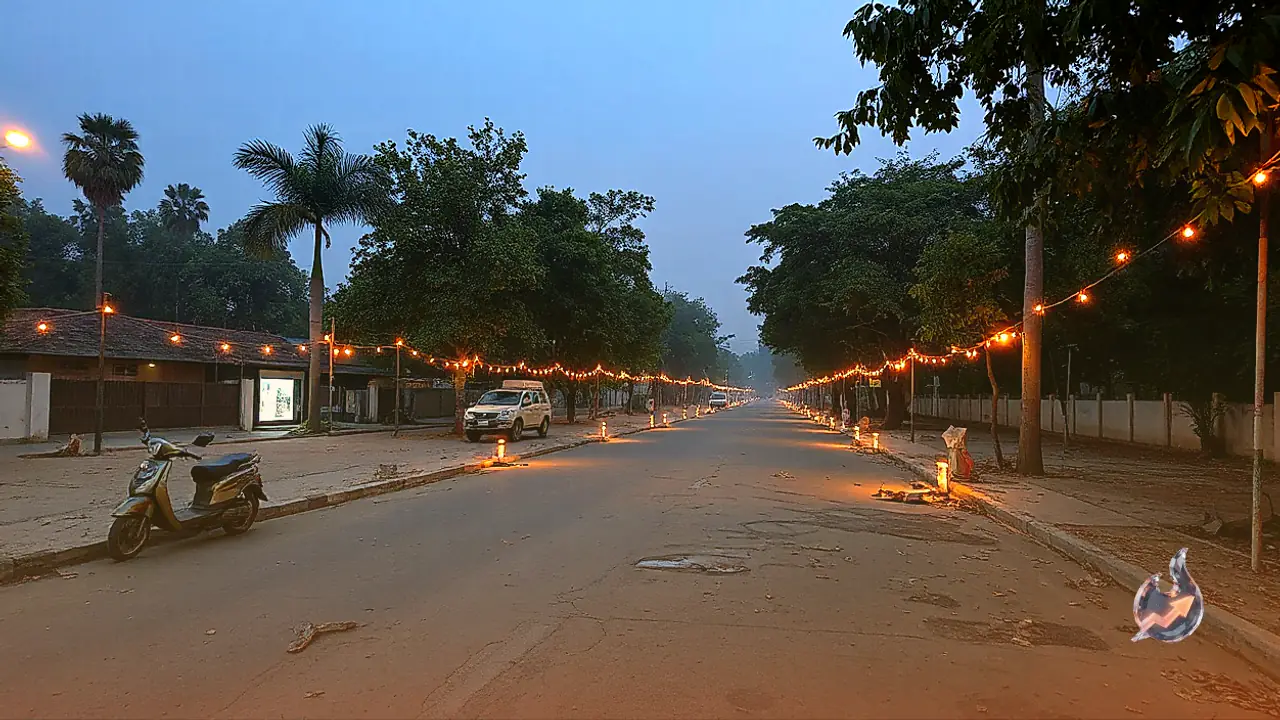
As twilight settles on Bhoot Chaturdashi, families prepare for the festival's most defining ritual by arranging exactly 14 earthen lamps. These clay diyas are carefully lit and stationed across parts of the home where darkness tends to linger. The locations are chosen with intention, placing lamps on the front threshold, window sills, kitchen zones, and around the sacred tulsi altar.
This illuminating practice carries touching symbolic significance. Folk belief holds that the glow of these fourteen flames lights up the path between realms, ensuring the spirits of ancestors navigate directly to their ancestral homes without losing their way in the shadows. Concurrently, tradition dictates that the protective heat and brightness of the lamps cleanse the dwelling, sweeping away stagnant negativities and lingering evil energies before the grand night of Diwali.
Nutritional Wellness with 14 Varieties of Leafy Greens
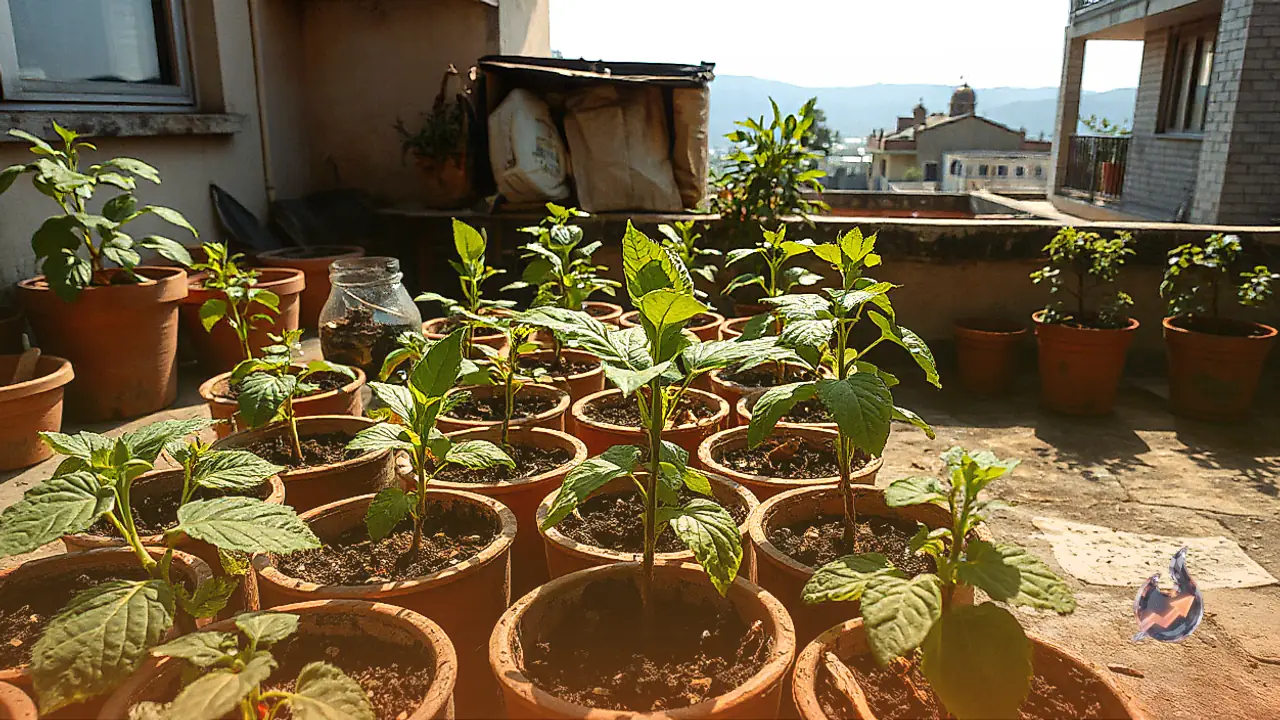
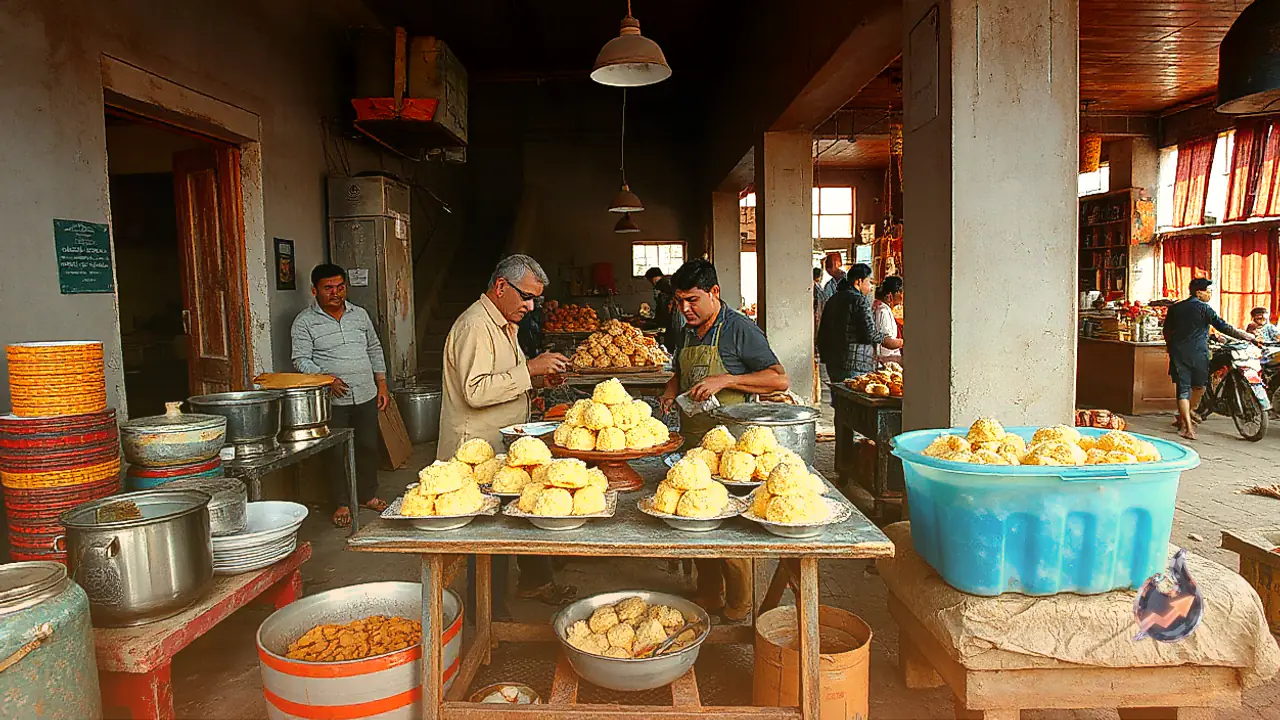
Another fascinating custom observed during Bhoot Chaturdashi revolves around a strict dietary tradition known locally as chouddo shaak. On this day, families procure and consume a dish prepared by mixing 14 distinct varieties of wild and cultivated leafy greens. Early in the morning, markets fill with shoppers selecting fourteen different edible foliage types to prepare for the main midday meal.
This culinary mandate aligns perfectly with traditional wellness wisdom. During this period of the Hindu calendar, temperatures start dipping as the autumn season transitions into winter. Such weather shifts often challenge the immune system, making bodies prone to seasonal ailments. Ancient Ayurvedic principles advocate consuming diverse herbs and greens to detoxify the system, fortify internal digestion, and build resilient immunity to endure the oncoming chill.
House Cleansing to Welcome Auspicious Blessings
The dawn of Bhoot Chaturdashi triggers an extensive cleaning drive inside every household. Men and women clean every nook and cranny, brushing away cobwebs and throwing out accumulated clutter and worn-out items that are no longer useful. The fundamental belief is that a spotless, well-maintained home invites positive cosmic energy, reassuring the visiting ancestors that their family lives in harmony, purity, and disciplined cleanliness.