
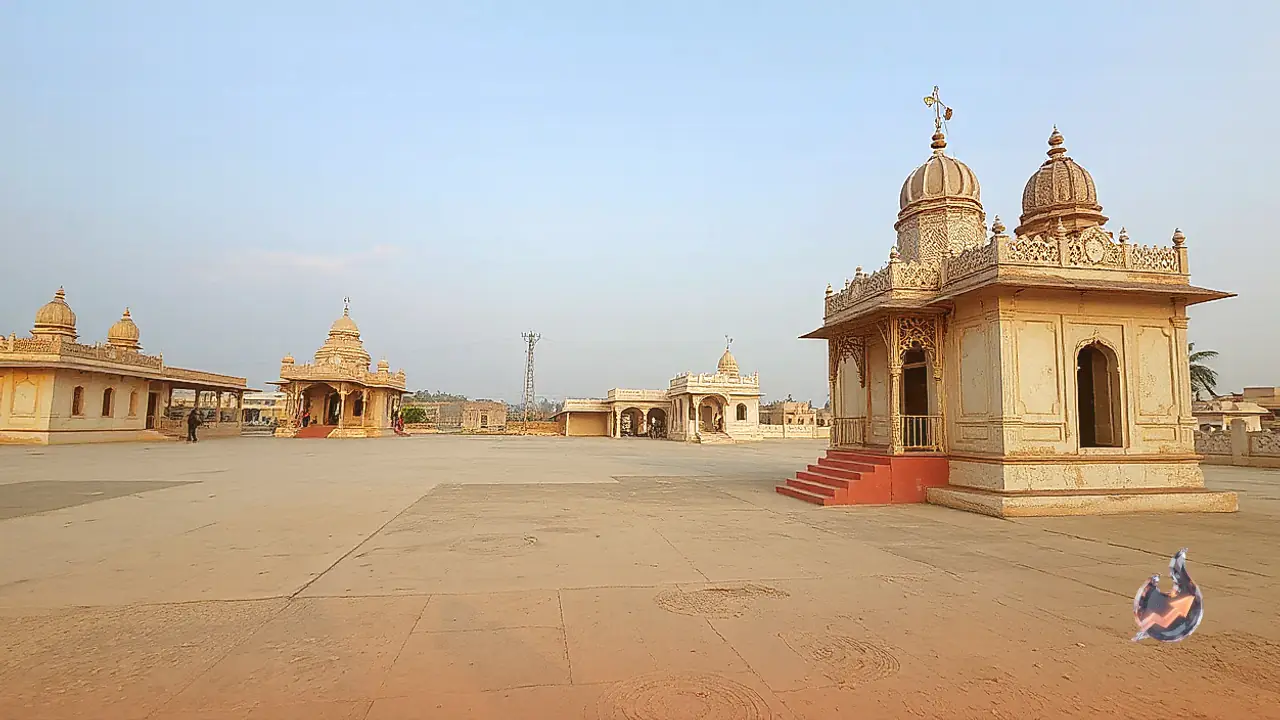

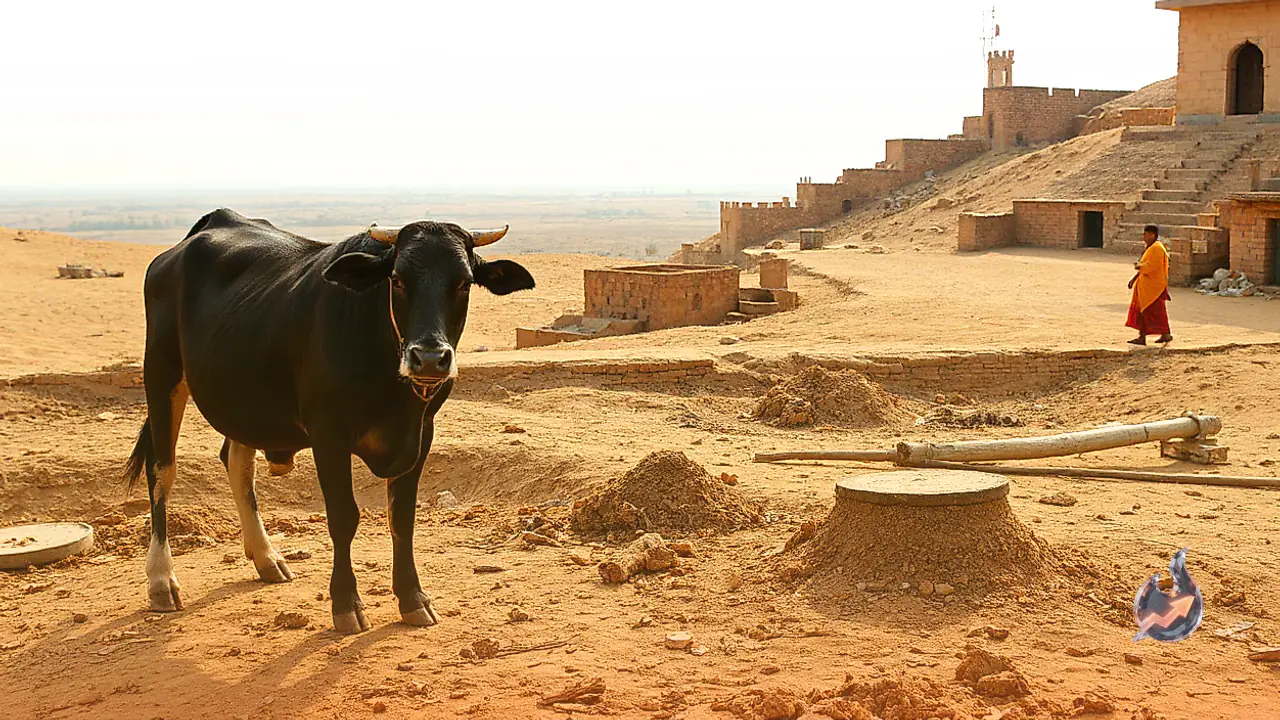














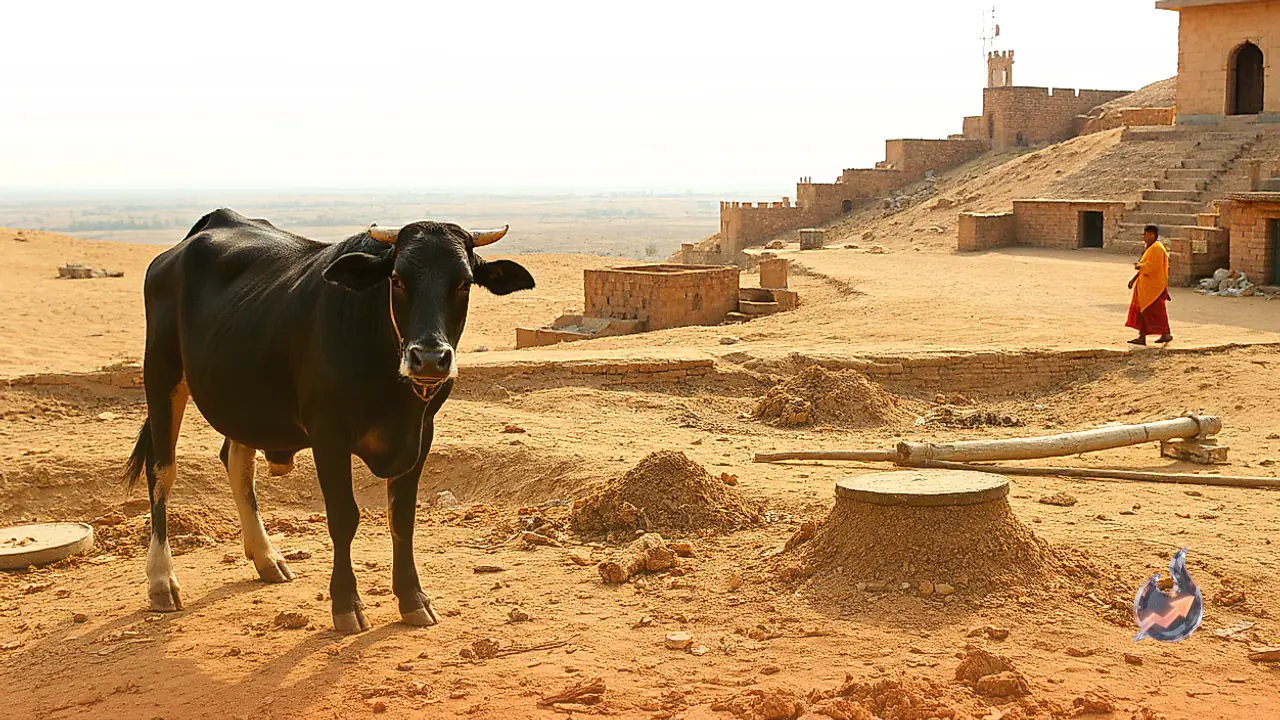

Immediately following the festival of lights, the observance of Govardhan Puja occupies a sacred corner in traditional domestic celebrations. Across countless households, courtyards and open entryways are cleared to sculpt a miniature hill using fresh cow dung. Lavishly adorned with seasonal blossoms, fresh leaves, vermilion, unbroken grains, and earthen lamps, this earthy sculpture commemorates an ancient divine intervention that reoriented humanity toward ecological guardianship. Rooted deeply in rural lore and spiritual devotion, the practice carries timeless insights into agrarian survival.
The Legend of Govardhan and Overcoming Pride
According to ancient lore set in the Dwapara Yuga, the residents of Vraja routinely performed elaborate sacrificial ceremonies to appease Indra, the lord of rain and storms. The young Krishna questioned this established ritualism, urging the pastoral community to recognize the real foundations of their daily sustenance. He highlighted that their livelihood, the nourishment of their cattle, and their overall survival were directly sustained by the nearby groves, pastures, flora, and the Govardhan hill itself. Consequently, he advocated that reverence ought to be directed toward these tangible providers rather than distant celestial figures.
Chagrined by the loss of his traditional homage, Indra unleashed relentless torrents of rain upon the hamlet, endangering both its inhabitants and their cattle. In response to this calamity, Krishna lifted the entire Govardhan hill upon the tip of his little finger, providing a protective canopy under which every villager and cow found shelter. Traditional accounts record that he sustained this immense weight effortlessly for seven consecutive days, safeguarding his people until the storm abated. The Uttar Pradesh Tourism Department similarly highlights this heroic rescue in its official cultural accounts as the bedrock of the festival.
Why Cow Dung Remains the Sacred Medium
The selection of cow dung to shape the symbolic hill is deeply rooted in both practical utility and religious sentiment. For generations, traditional Indian village life revolved entirely around cattle. Cows provided essential dairy nutrition, while their dung functioned as organic manure to sustain soil fertility, clean house grounds, and serve as fuel. As noted by priest Santosh Shukla, the ritual directly honors the inseparable bonds uniting bovine welfare, agrarian labor, and environmental bounty.
Within Indian sacred customs, cow dung is regarded as naturally purifying and auspicious, which is why it features prominently in religious rituals. Molding a miniature summit out of this material is a symbolic nod toward the sanctity of livestock and humanity's communion with the animal kingdom. Through this creative gesture, devotees symbolically recreate the protective shelter of the sacred hill within their own living quarters.
Diverse Courtyard Formations and Worship Rituals
In many localities, the ceremonial design is not restricted to a solitary hill. Families frequently mold charming miniature likenesses of cows, calves, and pastoral flora around the primary mound, turning the courtyard into a miniature replica of pastoral Vraja. Once the dung figures dry slightly, they are dressed with bright powders, marigolds, and sacred unguents.
Devotees assemble around the tableau to kindle ghee lamps, offer prayers to Krishna, and chant devotional hymns. Walking around the installation in ritual circumambulation is another widespread custom that echoes the sacred trek around the actual hill in northern India. While individual households and distinct regions incorporate their own local variations into the ceremony, the underlying sentiment remains unanimous reverence for providence.
Contemporary Lessons on Ecological Stewardship
In our modern era, this festival presents a vital reminder of planetary interdependence. The narrative of Govardhan affirms that mountains, forests, reservoirs, and domestic animals are the genuine pillars sustaining life on Earth. In an age of rapid environmental depletion, building this humble hillock from earthly materials reconnects individuals to sustainable agriculture and the quiet dignity of coexisting with nature.