






















Constructing one's own house remains a cherished lifelong dream for every individual, yet in the face of rising inflation, building a home has become an increasingly challenging financial endeavor. If construction is approached with deliberate and careful planning, it can not only minimize immediate expenses but also serve as a vital tool for long-term savings in the future. Keeping these essential factors in mind, architect Ishan Kumar Garg shared various expert tips regarding strategic house construction to help people optimize their building budgets.
Prioritize Time, Direction, and Local Environment
During the discussion, architect Ishan Kumar Garg highlighted that specific attention must be paid to direction and environmental conditions while constructing a house. He noted that the most common mistake people make is overlooking these fundamental aspects during the building process. Consequently, not only do their initial expenses soar, but high expenditures also persist even after the house is completed due to excessive lighting, separate electricity costs, and other recurring issues. Therefore, local climate factors should never be ignored when planning a home. By understanding the surrounding environment, it is crucial to determine from which part of the property sunlight will enter the living spaces.
Proper Placement of Rooms and Balconies
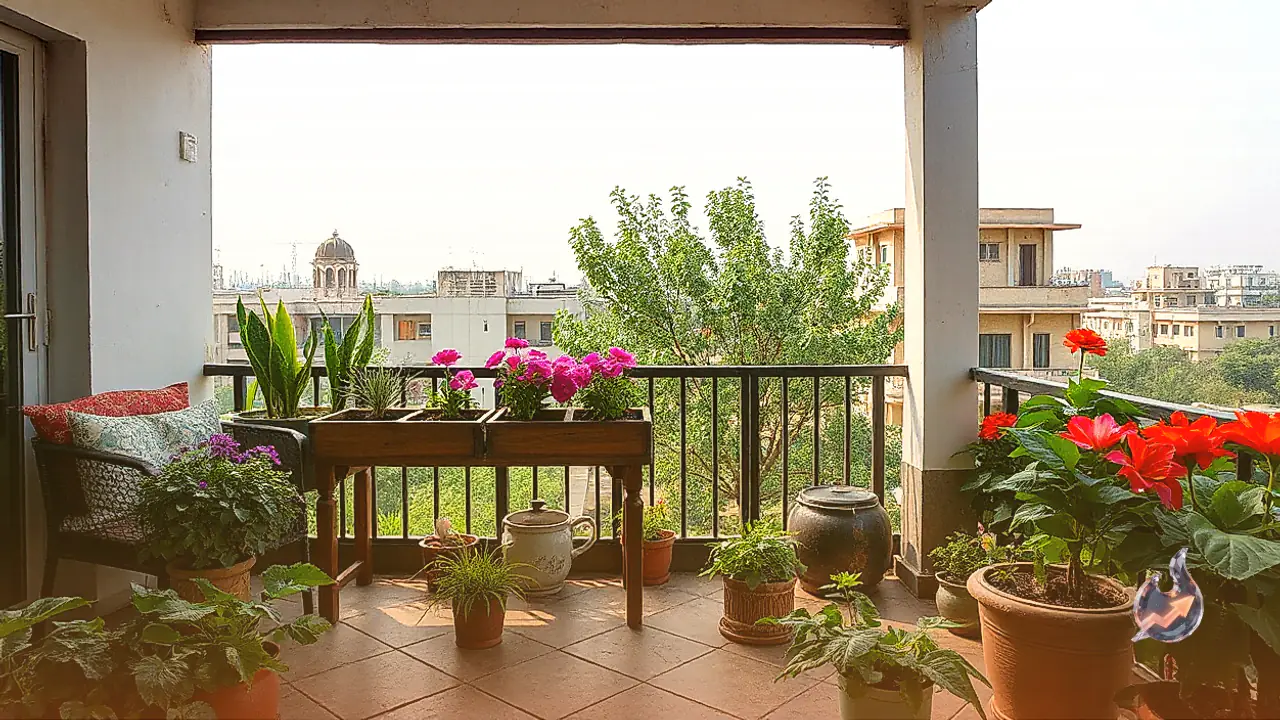
He explained that during construction, large windows can be positioned on the northern side to capture natural light, and the living area can be placed there as needed. Additionally, bedrooms or balconies facing the east are ideal for welcoming gentle morning sunlight. Meanwhile, the western side can be utilized for rooms with lower daily usage, staircases, or storage spaces, which helps shield the main living quarters from the harsh afternoon sun. Similarly, special attention must be directed toward window shading, insulation, and heat-prevention measures on the southern and western facades.
Mathematics of Reducing Power Consumption and Construction Costs
Addressing the financial aspect, he pointed out that electricity bills often constitute a major household expense driven by lights, fans, and various appliances. Installing windows in the correct orientations and maximizing natural daylight can significantly reduce the need to turn on lights during the day. Furthermore, controlling direct sunlight decreases the dependency on air conditioners. In terms of estimated costs, he stated that if a house costs approximately 20,00,000 rupees to build, implementing these small yet effective savings can easily slash around 3,00,000 rupees from the total expenditure.
Strategic Planning for Windows and Glass Panes
He indicated that windows and glass fixtures should be installed strictly according to the movement and intensity of sunlight. Designing a home structure in harmony with nature and local climatic conditions proves immensely beneficial over time. Such planning decreases the reliance on air conditioners, coolers, and fans during the summer months, delivering both immediate financial relief and future savings.
Rat-Trap Bond Technique and Modern Methods
He also shed light on the rat-trap bond technique, which is gaining considerable popularity in modern construction. Through this method, a cavity or gap is incorporated even within 9-inch thick walls, which not only reduces the amount of mortar required for masonry but also facilitates continuous air circulation. This ensures that the indoor environment remains remarkably cool even during peak summer months. Additionally, applying a white coating or putty on the rooftop helps control surface temperatures, preventing heat absorption and saving on miscellaneous cooling expenses.
Importance of an Accurate Blueprint and Planning
Concluding his insights, he emphasized that an accurate and detailed map of the house must be prepared in advance, allowing owners to precisely assess total expenses for every single component. These minor, prudent savings ultimately accumulate into a massive financial relief. By paying close attention to all these guidelines, individuals can undoubtedly achieve substantial savings while constructing their homes.