


















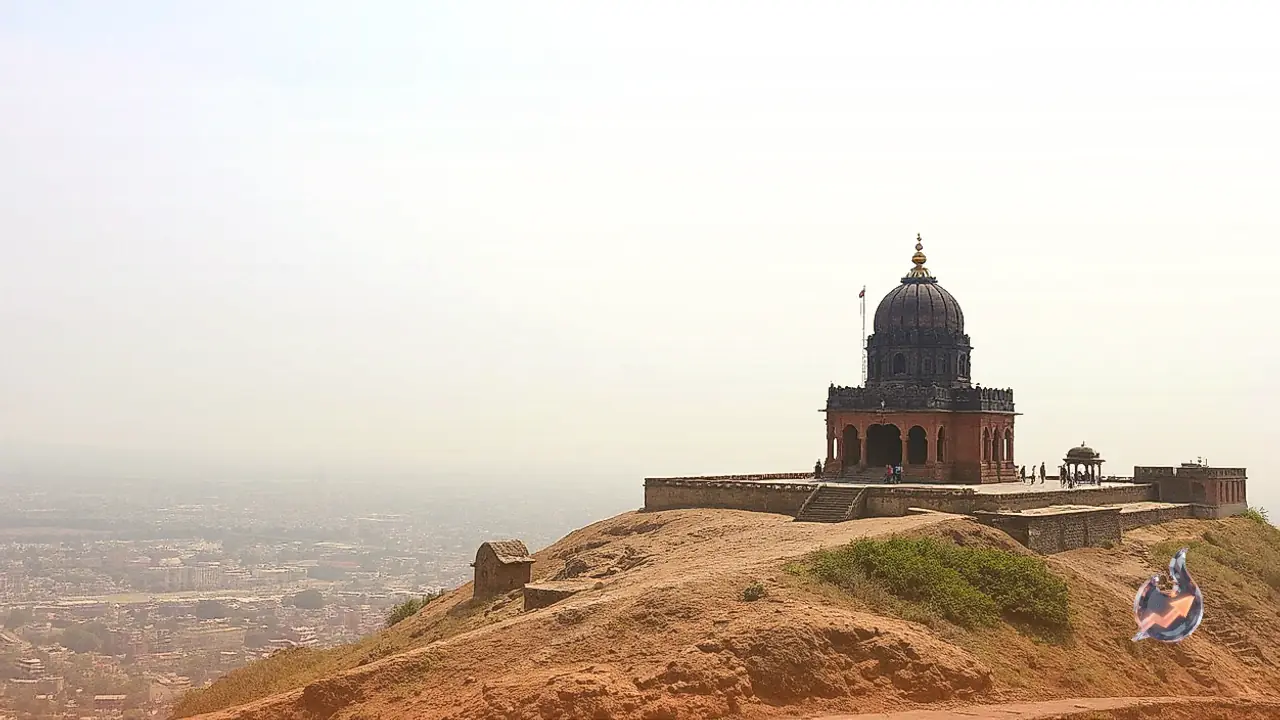

The metropolis of Mumbai is widely recognized for its soaring skyline, Arabian Sea coastline, bustling transit networks, and vibrant entertainment industry. Yet nestled within this ceaseless urban pace are sacred sanctuaries that provide a profound sense of calm and spiritual renewal. Among the most revered of these sites is Babulnath Temple, dedicated to Lord Shiva and located near the prominent precincts of Malabar Hill and Girgaon Chowpatty in South Mumbai. Counted among the oldest and most prominent shrines in the city, the temple occupies an elevated vantage point on a hillock, requiring devotees to climb a series of stone steps to reach the main sanctum. The moment one enters the premises, the resonate chimes of brass bells, sacred chants in praise of Lord Shiva, and an atmosphere steeped in devotional rituals welcome visitors from across the country.
Geographic Setting and Approaches to the Sanctum
Situated in the historic quarter of South Mumbai, Babulnath Temple rests near the scenic shoreline of Girgaon Chowpatty. The structure stands on an elevated section at the lower foot of Malabar Hill, surrounded by one of the city's most enduring and recognized heritage neighbourhoods. Reaching the temple complex requires ascending from the base access road. Devotees traditionally make their way up using a well-maintained flight of stone stairs. An elevator service has also been established to assist elderly visitors and those with mobility challenges, though confirming its operational status before planning a visit is always advisable. The temple's elevation and classic structural profile set it apart distinctly from the surrounding residential developments, offering the peaceful atmosphere of an ancient sanctuary tucked right into the city fabric.
Devotion to Lord Shiva and Daily Ceremonies
The temple is entirely consecrated to Lord Shiva, centered around a sacred Shivling installed within the inner sanctum. Pilgrims gather here daily to offer prayers for personal well-being, domestic peace, and overall prosperity. Devotional offerings traditionally consist of pure water and sacred bael leaves, which are placed reverently upon the Shivling. Mondays draw particularly large gatherings of worshipers, as Monday holds special religious significance for Shiva worship across Hindu tradition. Over generations, Babulnath Temple has served as far more than a simple prayer hall; it stands as an enduring pillar of Mumbai's cultural and spiritual heritage, frequented continuously by successive generations of city residents and travelers alike.
The Legend of the Cow and the Origin of Babulnath
A cherished local narrative accounts for the foundation of the shrine and the revelation of the sacred Shivling. According to local lore, the hillside served in ancient times as open pastureland where cattle grazed freely. Over an extended period, one particular cow was observed regularly shedding its milk voluntarily over a specific, hidden spot on the ground. When curious local residents investigated the phenomenon and dug beneath the surface, they uncovered the sacred Shivling. Traditional tales also mention an individual named Babul associated with the discovery, after whom the holy site eventually came to be known as Babulnath. While this story belongs to folklore rather than documented historical evidence, it remains a beloved facet of the temple's enduring local faith.
Nineteenth Century Construction and Historical Evolution
Historical accounts identify Babulnath Temple as one of the oldest Shaivite landmarks in Mumbai. Records indicate that the site underwent notable evolutions across different eras, transitioning from a modest hillside shrine to a substantial architectural monument. Crucial building and expansion initiatives undertaken throughout the nineteenth century played a central role in shaping the temple's present layout and grandeur. Continuous preservation and structural maintenance across subsequent decades have kept the fabric intact. Even today, the complex prominently exhibits classic elements of traditional Indian temple design, ensuring that it remains an attraction for history enthusiasts and architectural admirers alongside spiritual seekers.
Stone Carvings and Classical Shikhara Architecture
The defining visual aspects of Babulnath Temple are its elevated position and delicate stonework. Intricate carvings and classical motifs adorn the stone pillars, archways, and structural elements throughout the complex. The commanding temple spire, or shikhara, rises gracefully above the hillside, making it visible from surrounding streets. This architectural style provides an evocative window into traditional craftsmanship from past centuries. As pilgrims ascend the steps toward the sanctum, the ambient traffic and urban sounds gradually fade away, replaced by an intimate and devotional environment. The orderly layout of the inner sanctum further enriches the quiet contemplation available to all who visit.
Festive Crowds During Shravan and Mahashivratri
Devotees visit Babulnath Temple throughout the calendar year, but enthusiasm reaches its peak during the sacred month of Shravan. On Shravan Mondays, thousands of Shiva devotees arrive before dawn to participate in the ceremonial jalabhishek, offering water and prayers in elaborate lines that wind down the hillside. The annual celebration of Mahashivratri is another major milestone, marked by vibrant floral decorations, extensive illuminations, and solemn night vigils. Given that festival periods involve exceptionally large crowds and longer waiting times, visitors who wish to experience a calm and unhurried darshan are encouraged to schedule their visits on regular weekdays during early morning or afternoon hours.
Combining Temple Visits with Girgaon Chowpatty
A key advantage of Babulnath Temple is its prime location close to premier South Mumbai landmarks, particularly Girgaon Chowpatty. Visitors touring the famous shoreline can seamlessly incorporate a trip to the temple into their daily itinerary. Taking time for quiet prayers at the elevated hillside shrine, followed by an evening walk along the breezy beach to watch the sunset, makes for an enriching South Mumbai excursion. The seamless proximity between this peaceful heritage sanctuary and the bustling coastal promenade captures the diverse character of Mumbai at its best.