























Hectic modern schedules and nutritional deficiencies frequently lead to fatigue, stress, physical weakness, and low blood counts. Beetroot serves as an exceptional natural superfood that revitalizes the body internally by elevating hemoglobin levels, enhancing immune defense, and supporting cardiac wellness. Over time, it cleanses the bloodstream and lends a noticeable glow to the skin. While often viewed strictly as a farm-scale root vegetable, it adapts remarkably well to home gardens, balconies, and terrace containers when provided with the correct soil structure and adequate sunlight.
Optimal Planting Windows and Superior Seed Cultivars
The ideal window for sowing beetroot runs from September through November. Sowing during this seasonal phase ensures the moderate temperatures necessary for rapid germination and robust root swelling. Securing high-grade seeds forms the cornerstone of a successful harvest. Several improved varieties deliver consistent performance, including Ashoka-Redman, Detroit Dark Red, Shine Redball, Golden Seeds Lalima, Sakata Crystal, and Syngenta Rudy. Sourcing these certified cultivars guarantees high viability and uniform plant growth.
Selecting Containers and Blending the Soil Substrate
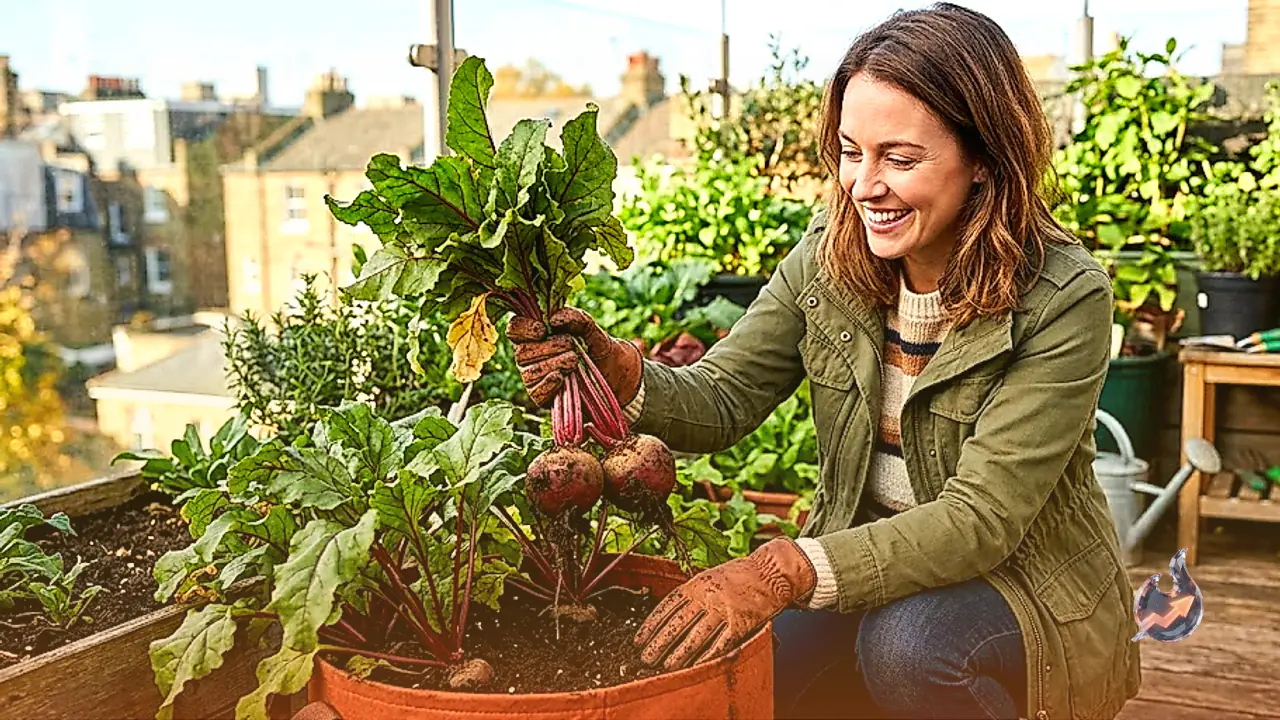
Root crops demand ample horizontal surface area and moderate depth to swell unhindered. Gardeners should select pots or fabric grow bags measuring at least 24 inches wide and 6 inches deep. Before placing the seeds into the soil, soaking them overnight in a shallow bowl or glass of water softens the outer seed coat and speeds up germination. Any seeds that float to the surface should be skimmed off and discarded, as empty floaters fail to sprout. Use only the dense seeds that settle at the bottom.
The initial growing medium requires a balanced composition of 50 percent standard garden soil, 40 percent fully decomposed cow manure, and 10 percent river sand or coco peat. Fill the container with this aerated mix and plant the prepared seeds approximately one inch apart. Spread a thin, delicate layer of cow dung compost over the planted seeds to shield them. Using a water can spray, irrigate the container thoroughly to settle the mix without displacing the seeds, and position the container in an area receiving full sun exposure.
Germination Progress and Essential Thinning Practices
Under steady moisture and warmth, seedlings push through the surface within 6 to 7 days. By the 15-day mark, growth accelerates noticeably. During this stage, inspect the surface and pull out all invasive weeds and wild grasses before they compete for soil nutrients. If multiple seedlings sprout from a single cluster in close proximity, carefully remove the weaker specimen to prevent root congestion. Thin out any stunted or fragile plants throughout the grow bag, leaving only the sturdiest seedlings in place to maximize yield.
Soil Aeration, Nutrient Boosting, and Valuable Foliage
Between day 20 and day 25, gently aerate the soil around the plants with a hand tool, taking care not to disturb the developing root base. Prepare a secondary nutrient-rich soil layer using a blend of 60 percent fresh garden soil and 40 percent vermicompost. Spread this top-dressing evenly inside the container and irrigate the bed thoroughly. Keep the container situated where it captures unbroken sunlight throughout the day.
Beyond producing plump edible tubers, beetroot plants develop visually striking foliage featuring deep green blades with crimson veins. These leaves provide notable nutritional value, often housing higher concentrations of vital nutrients than the root itself. Harvesting fresh greens for juices or cooking offers immense health benefits long before the underground taproots reach maturity.
Maturity Milestones and the 60 to 80 Day Harvest
Around 35 days post-sowing, the plants reach a mature vegetative stage, and miniature rounded beetroots begin forming beneath the soil line. By day 45, the stems turn deep crimson and gain structural rigidity, while the foliage adopts a distinct reddish hue. Underground, the roots swell progressively under the steady absorption of organic nutrients.
The entire growing cycle culminates between 60 and 80 days, when the roots achieve full size and firm texture. Because it delivers tremendous nutritional value without demanding expensive inputs or intensive labor, beetroot is widely known as the poor person's hemoglobin. A modest container, basic seed cultivars, and fundamental care allow any household to enjoy a continuous, fresh winter supply right from their balcony.