






















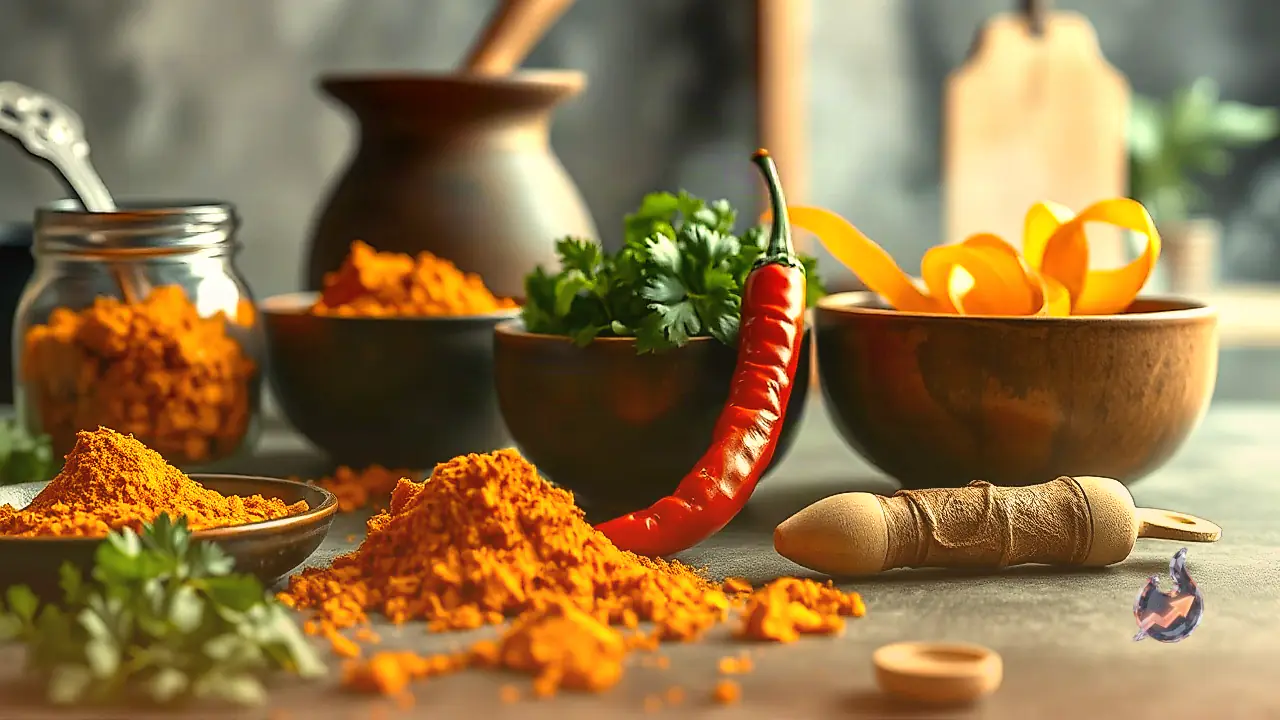

In traditional Indian cooking, lentils and vegetable gravies rely entirely on a foundational trio of everyday spices: turmeric, chilli and coriander. Many home cooks routinely toss these powdered spices into the pan without much thought to timing. However, introducing each spice at the correct stage of cooking not only deepens the complexity of flavour and aroma, but also ensures that delicate volatile oils and therapeutic compounds are fully preserved rather than destroyed by heat.
The Ideal Sautéing Sequence Starting from Tempering
Preparing any curry or dal begins with heating cooking oil or ghee. Whole spices such as cumin seeds and mustard seeds go into the hot fat first during the tempering stage. Once they crackle, aromatics like onions and tomatoes are sautéed in the pan. Turmeric powder should be introduced right during this sautéing phase. Adding turmeric early allows its raw taste to cook off gently while enabling its bright golden pigment and earthy flavour to infuse seamlessly into the onion and tomato base.
When to Introduce Chilli and Coriander Powder
Chilli powder or freshly chopped green chillies should follow only after the turmeric is well incorporated. Prolonged exposure to high frying temperatures can easily burn chillies, turning their sharp bite into an unpleasant bitterness. Adding chillies after turmeric ensures they retain their crisp kick without getting scorched on a hot surface.
Coriander powder must be reserved for the final moments of the sautéing process. The subtle, refreshing aroma and mild earthiness of ground coriander evaporate quickly if cooked over prolonged high heat. Stirring coriander powder into the masala mixture just before adding water or main ingredients preserves its fragrant profile. Fresh green coriander leaves operate under an even stricter rule; they should never be subjected to simmering heat, but sprinkled across the completed dish right after taking it off the stove.
Nutritional Value and Culinary Roles of the Trio
Beyond lending an inviting golden hue to food, turmeric serves as a powerhouse of natural health benefits. It contains curcumin, a potent bioactive compound known for strong antioxidant and anti-inflammatory properties. Regular dietary intake of turmeric supports immune defense and helps alleviate colds, swelling, and everyday digestive distress.
Chillies provide vitality, heat, and depth to dishes. Fresh green chillies supply essential vitamin C and protective antioxidants, while dried red chillies enhance color and piquant intensity. When consumed in moderation, chillies stimulate gastric appetite and help accelerate basic metabolic rates.
Both dry coriander powder and fresh cilantro leaves play an essential role in gut comfort and healthy digestion. Rich in vital vitamins and minerals, coriander balances acidity in spicy dishes. While fresh cilantro leaves contribute a lively, herbal freshness, ground coriander seeds lend body, cohesion, and a mellow earthy finish to curries and broths.