






















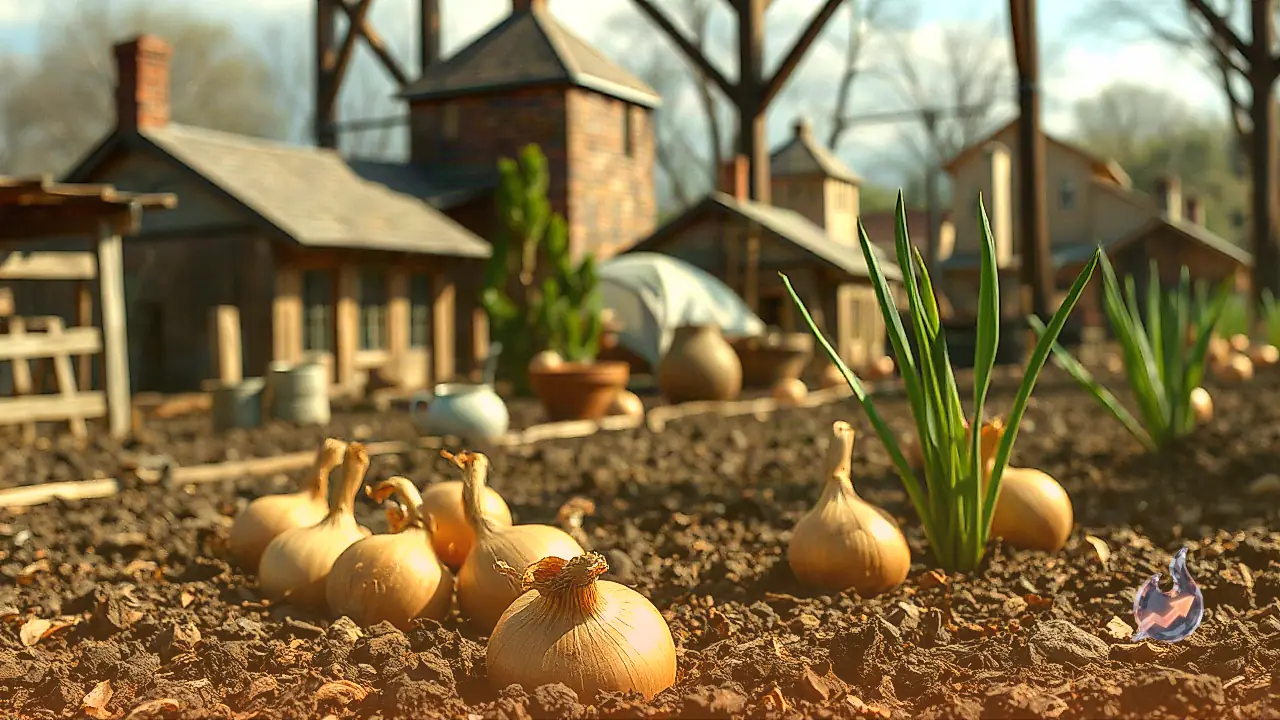

Dry onion peels discarded during daily cooking can serve as a valuable and completely free organic asset for home gardens. Instead of dumping these kitchen scraps into garbage bins, plant lovers can convert them into a nourishing liquid fertilizer and protective soil cover. With a straightforward soaking method and basic dilution guidelines, anyone can produce a rich homemade plant tonic without spending any money on chemical supplements.
Preparation Steps for Homemade Liquid Plant Food
To begin making this natural liquid fertilizer, collect roughly two handfuls of thoroughly dry onion peels. Peels from either red or white onions work equally well for this preparation. Place these collected skins inside a clean container made of clear glass or sturdy plastic. Pour approximately one liter of fresh water into the vessel over the skins. Stir the combination well so the peels are fully submerged and moistened, then place the covered container in a shaded spot away from direct, harsh sunlight.
Fermentation Duration Across Different Seasons
The time needed for the nutrients to infuse into the water depends significantly on ambient weather conditions. During warm summer periods, the container can sit for roughly 48 hours to complete the extraction. In contrast, colder winter weather slows down the process, requiring the mix to rest for about 4 days. As the liquid infuses, its shade gradually shifts toward light red or pink, accompanied by a noticeable onion aroma. Once the designated waiting period wraps up, strain the liquid thoroughly through a mesh to separate the clean solution from the spent skins.
Diluting the Mixture for Direct Root Application
The strained liquid fertilizer should never be poured directly onto plant roots at full concentration. Proper dilution protects the root system from stress. For root feeding, blend one cup of the prepared onion liquid with one cup of fresh, plain water to create an even half-and-half ratio. Slowly pour this diluted solution into the soil surrounding the root zone, keeping it slightly away from the main central stem. Avoid waterlogging the pot. Always regulate the volume applied based on the age of the plant, pot size, and current soil moisture levels.
Foliar Spray Technique and Leaf Testing
When applying the onion peel solution directly onto foliage and branches, the concentration must be significantly milder to protect delicate plant surfaces. Prepare this foliar spray by mixing one part of the concentrated onion liquid with three parts of plain water. Fill a standard misting spray bottle with this gentle dilution and apply a light mist over the leaves. If applying it to a particular plant variety for the first time, perform a small patch test on one or two leaves first. If any adverse reaction or discoloration appears, stop using the spray immediately.
Using Dry Skins for Soil Mulching and Key Precautions
Beyond liquid tonics, dry onion peels serve practical purposes when left in solid form as organic mulch. During hot summer months, dry peels can be mixed with dried coconut coir fibers or other shredded dry organic waste and spread as a thin protective blanket over the topsoil in planters. This layer decomposes over time, steadily contributing organic material back to the soil structure. Gardeners should remember that this natural infusion is not an all-purpose medicine for plant diseases nor an absolute necessity for every single plant species. Apply it in moderate, controlled amounts tailored to specific plant demands and environmental conditions.