




















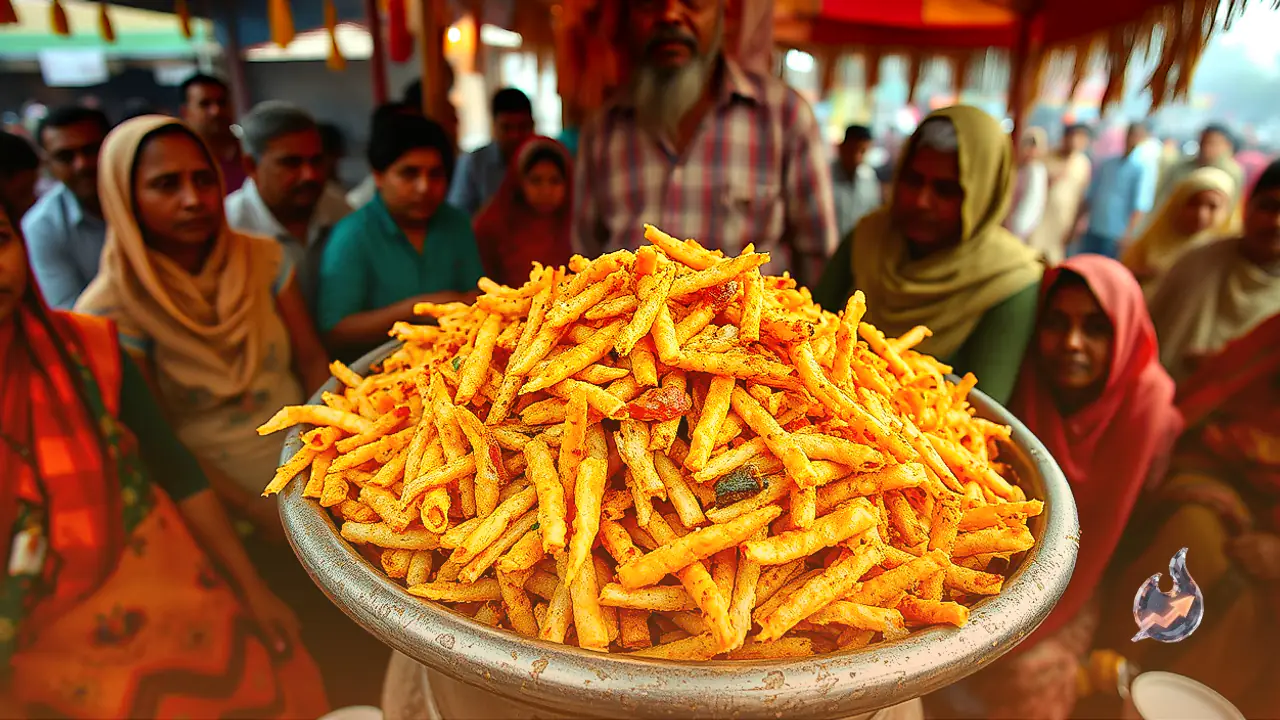

With the arrival of the grand Chhath festival in Bihar, households fill with the rich aromas of traditional culinary treats. While thekua is widely recognized, khajuri stands out as another beloved sweet delicacy prepared during this auspicious period. Known for its flaky, crisp texture and effortless preparation, it doubles up as a delightful morning breakfast snack. One of its standout attributes is its durability; when prepared with precision and kept under proper storage, it remains fresh and flavorful for several days. Suman Devi from Muzaffarpur has explained the authentic household method for making this festive specialty from scratch.
Essential Ingredients for the Traditional Delicacy
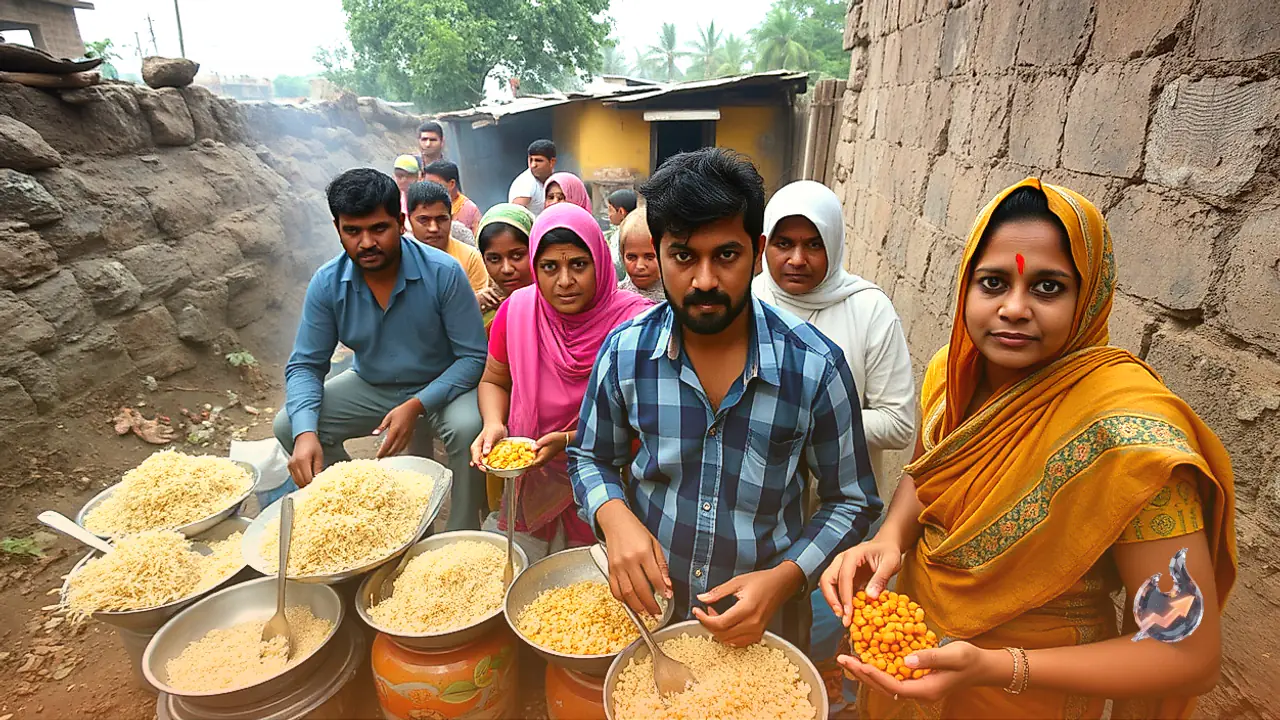
Preparing authentic khajuri requires a straightforward list of kitchen staples. The primary base consists of all-purpose flour, known locally as maida, along with regular sugar. To achieve the right crunch and rise, a modest pinch of baking soda is combined with khawa soota, an ingredient commonly relied on in regional households. Clean water is kept on hand in measured quantities to bring the dough together. In addition, cooks rely on a traditional patterned mold to press the mixture into shape, alongside cooking oil for deep-frying.
Mixing the Base and Bringing the Dough Together
The sequence of combining ingredients is vital to ensure the confection turns out crisp rather than dense. The process begins by thoroughly sieving the flour into a wide mixing bowl or tray. Next, the measured pinch of baking soda and khawa soota are introduced to the sifted flour. The mixture must then be rubbed thoroughly between both palms so that the components disperse evenly throughout the dry base. Once blended, sugar is stirred into the flour, followed by another round of vigorous rubbing to ensure even distribution.
Hydrating the mixture demands strict caution. Water should never be poured all at once; rather, small splashes must be added gradually. The target consistency is reached when a handful of the crumbly mixture holds firmly together without falling apart upon being pressed in the fist. Excess moisture can compromise the crunch, making careful water control the deciding factor in the dough's final texture.
Molding and Frying to Golden Perfection
Once the mixture holds its form in the hand, small portions are pressed firmly onto the carved wooden or metal mold to imprint traditional patterns. Concurrently, a pan of cooking oil is heated over medium flame on the stove. When the oil reaches the correct frying temperature, the shaped dough pieces are carefully slipped in. They must be turned gently and fried until they turn an appetizing golden hue and develop their signature crisp crust. Once cooked through, they are taken out of the hot oil and allowed to cool completely at room temperature before being served or tasted.
Versatile Snacking for Mornings and Long Journeys
According to Suman, this confection serves purposes well beyond the sacred rituals of Chhath, making for a hearty morning meal companion. It can be made in large batches and kept at home, or packed conveniently as a mess-free snack during travel and road trips. She highlights that when stored correctly in an airtight container, khajuri easily lasts between 8 to 10 days, and in many cases remains crisp for up to 15 days. As families gear up for festive gatherings, dishes like khajuri continue to anchor generations in regional culinary heritage while offering practical everyday snacking convenience.