





















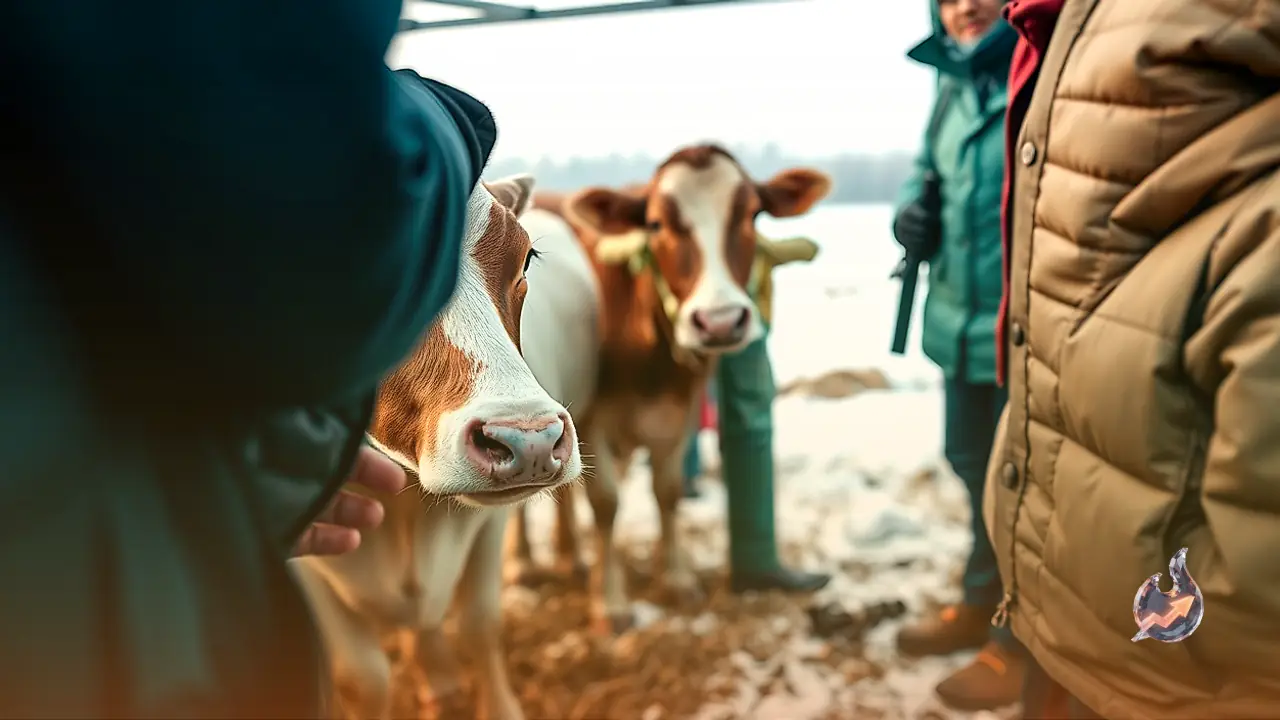

As temperatures drop during the winter months, livestock owners need to exercise extra caution in managing cattle health. Pregnant cows require particular attention because even minor negligence during cold weather can adversely affect their well-being and the development of the unborn calf. Dr. Sushma, an animal husbandry scientist at the Bokaro Krishi Vigyan Kendra, has outlined key guidelines regarding housing, balanced nutrition, hygiene, and disease prevention for pregnant cows.
Shelter Management and Protection from Cold Drafts
Proper housing is the primary defense against winter ailments for pregnant cows. Livestock must be protected from direct exposure to cold winds and chilly drafts. The cowshed should be designed to allow sufficient sunlight during the day while maintaining adequate ventilation. Cattle owners should properly cover open spaces of the shed using curtains or protective covers during intense cold spells.
Flooring requires special care, as pregnant cows must never be kept on damp or wet surfaces. Their resting area should remain clean and dry at all times. Using dry straw as bedding helps insulate the animals against the cold floor. Regular cleaning of the shed and eliminating stagnant water pools nearby are essential steps to keep mosquitoes and other pests under control.
Nutritional Requirements and Water Intake
Meeting nutritional needs during pregnancy is critical for the health of both the cow and the growing calf. A balanced diet should include a combination of green fodder and dry fodder, supplemented with appropriate amounts of oil cake and mineral mixtures. Dr. Sushma emphasizes that relying exclusively on plain fodder fails to meet the complete nutritional demands of a pregnant animal.
The exact quantity of feed must be adjusted according to the animal weight, stage of pregnancy, physical condition, and milk yield. In addition to a nutrient-rich diet, cattle owners must ensure that each cow has access to 75 to 80 liters of clean, fresh drinking water daily, preventing dehydration and digestive complications during the colder months.
Isolating from Sick Cattle and Monitoring Health
To reduce the risk of infectious diseases, pregnant cows should be kept separate from sick or recovering animals. Maintaining dedicated spaces for healthy livestock prevents pathogen transmission. Owners should routinely observe changes in the feeding patterns, general behavior, and activity levels of pregnant cows. If an animal exhibits reduced appetite, unusual lethargy, or signs of physical distress, a qualified veterinarian should be consulted immediately.
Bathing Precautions and Dry Grooming Techniques
Daily bathing with water is neither required nor recommended for pregnant cows during the winter season. Washing cattle in cold weather increases their vulnerability to respiratory infections and chills. Instead of wet washes, livestock keepers should maintain cleanliness by grooming the animal body with a clean dry cloth or a suitable brush to remove dust and dirt effectively.