























Preparing vegetables for a rich curry or slicing ingredients for evening snacks often brings a familiar kitchen annoyance to light. The moment raw potatoes are peeled, chopped, and left exposed on the cutting board even for a brief spell, their clean, pale flesh begins shifting from white to a dull brown or dark grey hue. Home cooks frequently jump to the conclusion that the potatoes have gone bad and must be discarded, but that is rarely the case. The actual explanation lies in chemistry: chopping tears through the plant cells, exposing specific internal compounds directly to ambient air. The resulting contact with atmospheric oxygen triggers rapid oxidation, which alters the surface pigmentation. Fortunately, a few straightforward storage practices can prevent this unsightly browning and preserve the bright appearance of cut potatoes for extended periods.
The Protective Power of Lemon and Cold Water
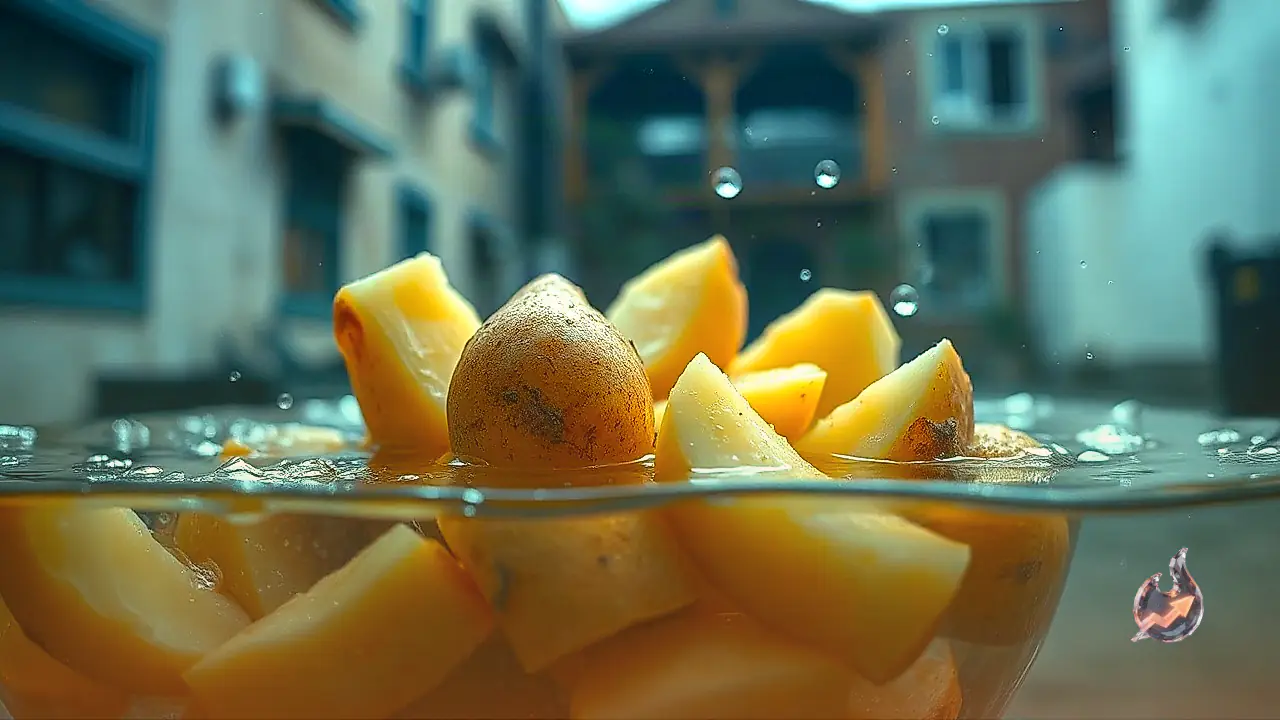
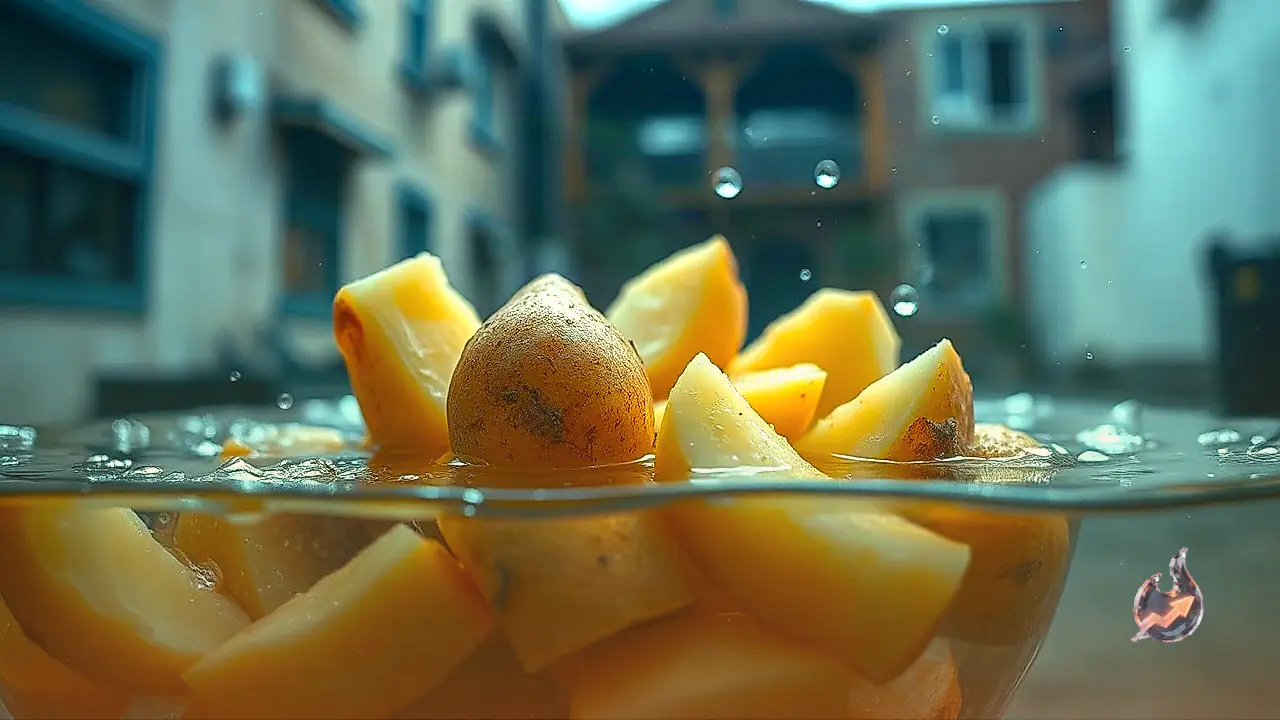
The most reliable technique to keep sliced potatoes from darkening requires nothing more than cold water and fresh citrus. Submerging the cut pieces into a spacious bowl filled with chilled water and adding the strained juice of one or two lemons creates an effective barrier against discolouration. Lemon juice naturally contains citric acid, an organic compound that significantly retards the chemical pace of oxidation. At the same time, the surrounding liquid keeps the raw potato surfaces entirely isolated from ambient air. Because oxygen cannot reach the sliced edges, the browning reaction is held at bay, ensuring the pieces retain their original appearance until cooking begins.
Step-by-Step Method for Proper Storage
Putting this method to work in the kitchen takes only moments. Begin by peeling the potatoes and dicing or slicing them into whatever shapes your recipe requires. Immediately transfer the pieces into a generously sized bowl filled with plenty of cold water, ensuring that every single slice is fully submerged beneath the surface without any edges poking out into the open air. Squeeze in the juice of one to two lemons and stir gently so the acidic water distributes evenly across the bowl. Let the potatoes rest in this bath until you are ready to start cooking. When meal preparation begins, lift the pieces out and give them a quick rinse under clean tap water before adding them to your pan or pot.
Effective Alternatives When Lemons Are Unavailable
If you find yourself preparing dinner without any fresh lemons on hand, cold water on its own provides a remarkably dependable backup. Simply placing the raw chunks into a deep bowl of cold tap water limits their exposure to airborne oxygen and substantially delays the discoloration process. When you need to prepare ingredients several hours in advance or store them for a longer stretch, place the water-filled container directly inside the refrigerator. The combination of complete liquid immersion and crisp refrigeration keeps the cut spuds firm, bright, and culinary-ready throughout the day.
Telling Natural Oxidation Apart from Spoilage
Surface browning on raw potatoes is almost always an aesthetic outcome of routine oxidation rather than a warning sign of rot or bacterial breakdown. Slices that have merely changed colour remain completely wholesome to cook and eat once prepared. Nevertheless, cooks should always check the physical condition of the vegetables before tossing them into a recipe. If any cut potato feels unusually soft, mushy, or slimy to the touch, or if the container develops an off-putting sour odor or distinct signs of decay, those pieces have indeed deteriorated and should be discarded rather than consumed.