























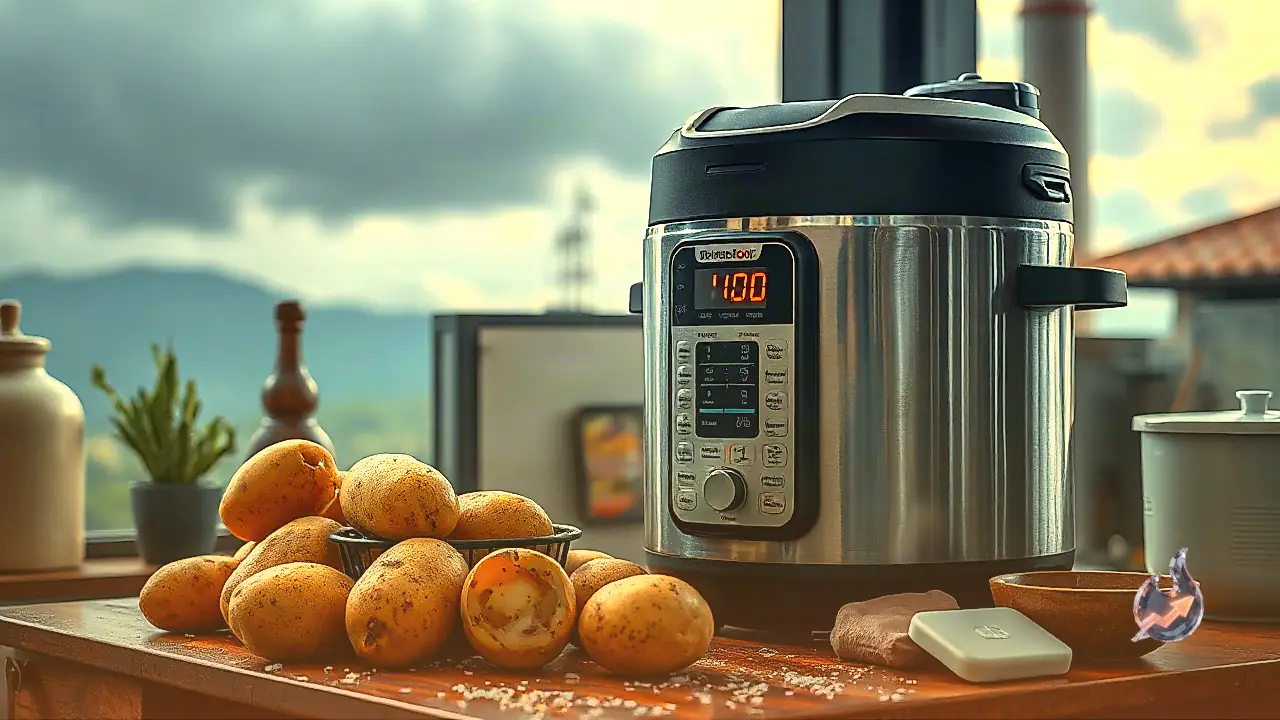

Potatoes remain an essential staple in Indian cooking, serving as the foundation for countless everyday recipes. Whether preparing crispy chaat, stuffing for parathas, refreshing salads, or creamy mashed sides, boiling the tubers is an unavoidable first step. The standard household method involves submerging potatoes in a cooker or pan filled with water. However, this conventional approach takes extra time, and the potatoes frequently absorb surplus liquid, turning unpleasantly soggy, watery, and diluted in taste.
The Science of Cooking Without Added Water
It surprises many home cooks to learn that potatoes can be cooked thoroughly inside a pressure cooker without adding a single drop of water. This simple kitchen hack relies entirely on the natural moisture already trapped within the potato. As the sealed vessel heats up on the stove, that inherent moisture evaporates and generates intense trapped steam. The resulting pressure cooks the tubers evenly right through to the core. This method conserves water while keeping the authentic texture and dense flavour intact. Anyone looking for a swift, dependable way to boil potatoes can rely on this approach.
Step-by-Step Cooking Instructions
To execute this moisture-locking method properly, follow these sequential steps
- Cleaning and Prep: Wash the raw potatoes thoroughly under clean water to remove all surface soil and dirt. While peeling is an option, retaining the skin helps protect vital nutrients throughout the heating cycle.
- Arranging in the Cooker: Place the cleaned, whole potatoes directly onto the base of the pressure cooker. Do not pour in any water at all.
- Optional Seasoning: If desired, sprinkle a pinch of salt or light spices over the potatoes before sealing. This allows gentle seasoning to penetrate the potatoes as the internal steam builds.
- Heat Control and Whistle Count: Secure the cooker lid firmly and place the vessel over medium heat. Let it build pressure until a single whistle sounds, then turn off the burner immediately. Allow the internal pressure to release entirely on its own.
- Checking Doneness: Once the cooker depressurises completely, remove the lid. Test the potatoes by inserting a fork or knife tip into the center. If it slides through effortlessly with no resistance, the potatoes are cooked and ready.
Key Advantages of the Waterless Technique
Compared to deep-boiling potatoes in water, this water-free method delivers distinct culinary benefits
- Richer Natural Flavour: Boiling often washes away the distinct earthy taste of the vegetable, whereas steam-roasting in natural juices concentrates its innate flavour.
- Lower Nutrient Loss: Valuable water-soluble minerals and vitamins stay preserved rather than getting discarded in cooking water.
- Reduced Cooking Time and Energy: Skipping the need to bring cups of water to a boil cuts preparation time and reduces overall fuel consumption.
- Firmer, Drier Texture: The cooked potatoes never emerge soggy or waterlogged, making them ideal for fillings that require minimal stickiness.
Cooking Different Potato Sizes Evenly
This technique works across standard potato varieties, though the overall duration will vary depending on dimension. Smaller potatoes soften quite rapidly, whereas significantly larger pieces demand more cooking time. To achieve uniform doneness, always select potatoes of matching sizes for the same batch. If only oversized potatoes are available, cut them into equal halves before placing them in the cooker so they finish cooking alongside the rest.