





















Observing a traditional ritual with a dry coconut carrying its fibrous husk is considered highly beneficial for inviting peace and the blessings of Goddess Lakshmi during Diwali. Astrologer Pandit Kalki Ram from Ayodhya has outlined the comprehensive procedure for this observance, explaining that conducting the rites systematically fosters lasting harmony and financial abundance within the household. The entire process follows strict timing and specific devotional steps.
Preparation And Resolution One Day Prior
The observance commences a day before Diwali itself. A whole dry coconut with husk must be procured and placed in a clean, sanitized, and secure spot in the house. While keeping the coconut in place, one must concentrate on Goddess Lakshmi and take a formal mental vow or resolution, dedicating the worship to home prosperity and establishing positive spiritual energy early on.
Sunset Ritual With Fresh Red Cotton Cloth
The sequence progresses on the evening of Diwali during sunset. Using a fresh piece of red cotton cloth, the coconut is respectfully retrieved from its resting spot. At this juncture, the devotee invokes Lord Ganesha and Goddess Lakshmi with deep devotion, carefully wrapping the dry coconut completely inside the new red fabric.
Panchopachara Puja And Placement In Wealth Safes
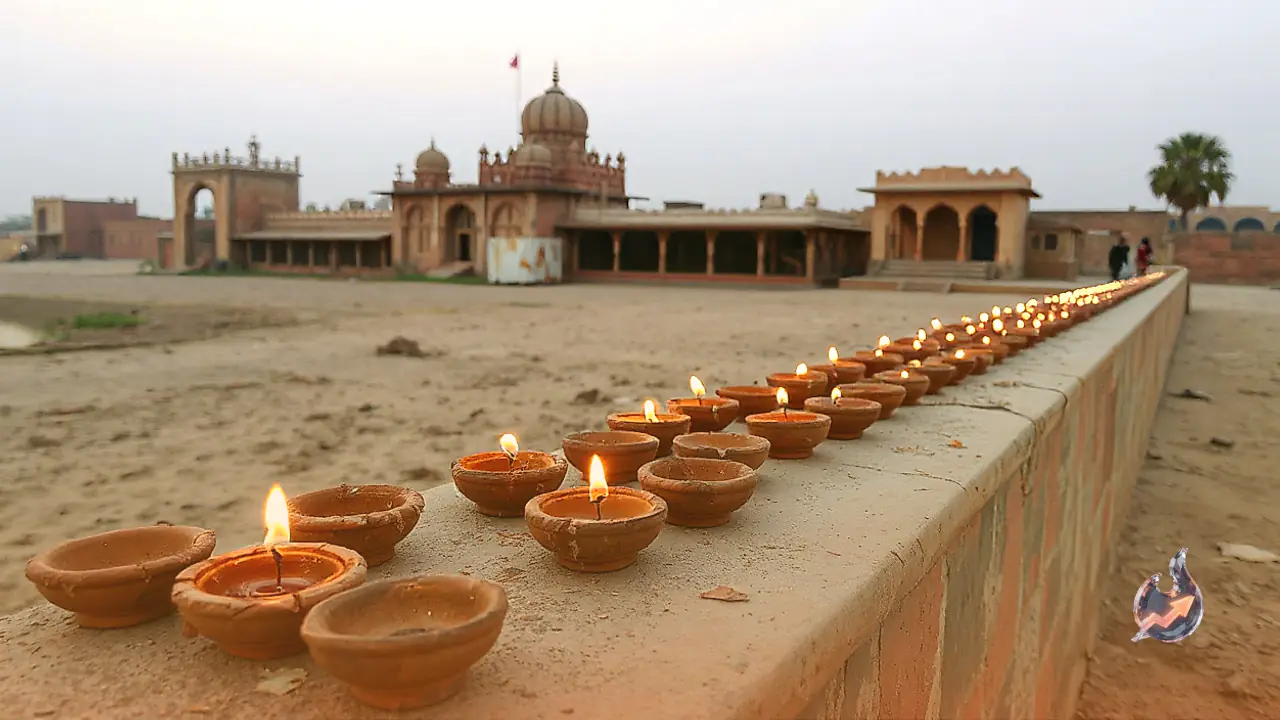
Once brought to the household prayer area, a lamp is lit beside the idols of Lord Ganesha and Goddess Lakshmi, and the wrapped coconut is seated nearby. A Panchopachara worship is then conducted by offering five sacred items, namely incense, lit lamps, fresh flowers, fragrance, and sacred food offerings or Naivedya. Following this ceremony, worship is performed at the specific storage place where household wealth is preserved, such as a safe or an almirah. The coconut wrapped in red cloth is then consecrated and placed permanently inside this wealth vault.
Recitation Of Gopal Sahasranama 108 Times
According to Pandit Kalki Ram, chanting holds substantial significance alongside the material ritual on Diwali evening. Reciting the Gopal Sahasranama or Santan Gopal Sahasranama 108 times during the evening prayer is considered exceptionally auspicious. Tradition holds that carrying out these steps together ensures continual growth, financial stability, and lasting well-being for the family.