























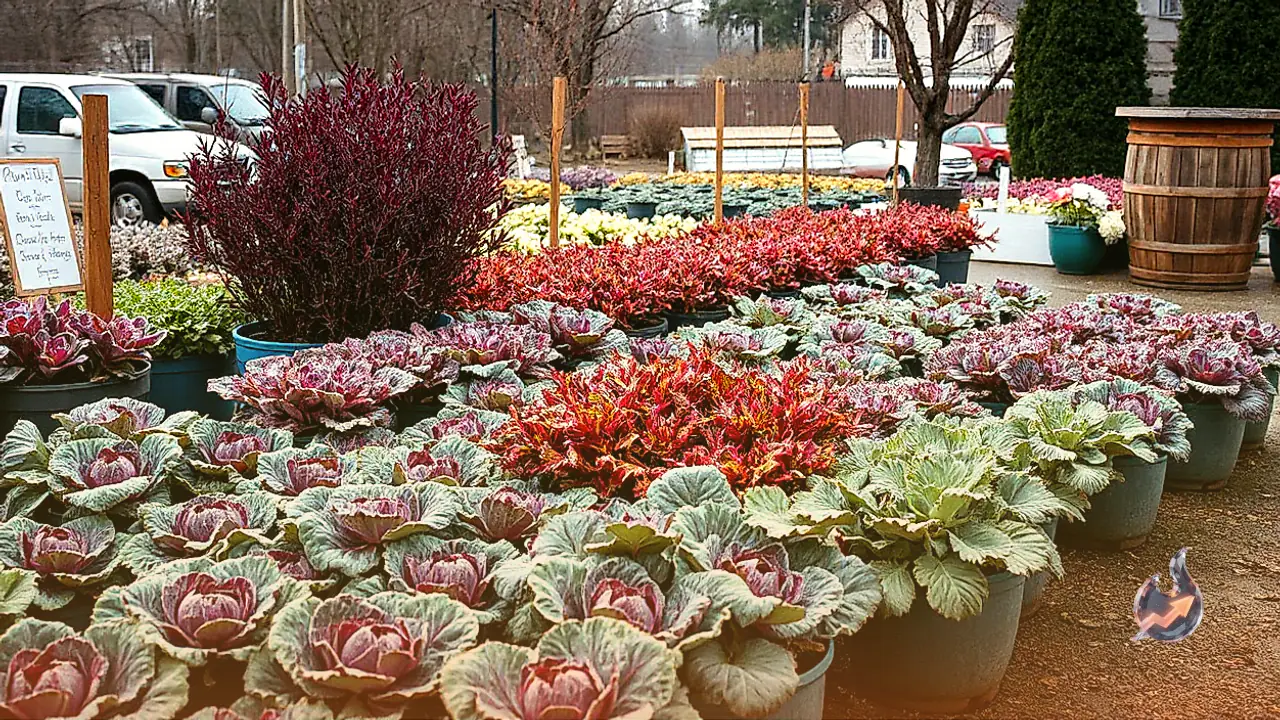

When the cold weather arrives, gardeners frequently rely on seasonal flowering varieties to infuse their balconies and outdoor spaces with vibrancy. Some plants manage to outshine conventional blossoms entirely through their vivid, architectural foliage. Ornamental cabbage serves as a striking example of this, displaying layered leaves in rich pink, purple, white, and deep green tones that give the impression of an oversized, freshly opened floral bouquet in a container.
Unique Leaf Structure and Winter Coloration
Gardener Ram Sagar explains that ornamental cabbage is essentially a decorative variety of the everyday cabbage plant. Its standout characteristic lies in the contrasting hues of its rounded foliage. The central core produces vivid leaves in shades of pink, purple, or crisp white, neatly framed by an outer ring of lush green foliage. This concentric growth pattern gives the entire specimen the appearance of a majestic single flower. As winter deepens and outdoor temperatures drop, the cooler atmosphere naturally intensifies these pigments, causing the colors to become significantly richer and more defined.
Pot Selection and Preparing the Soil Blend
Cultivating this decorative plant at home requires minimal complication when following basic gardening principles. Choosing a pot with adequate drainage holes at the base is essential to prevent excess moisture from pooling around the root zone. For the potting medium, blend standard garden soil with equal parts well-rotted manure and coarse sand. Incorporating sand keeps the mixture porous and loose, ensuring water flows freely through while organic manure supplies the essential nutrition required for robust leaf development.
Propagating from Nursery Starts or Direct Seeds
Home growers can introduce ornamental cabbage to their garden beds using two convenient approaches. One option is purchasing established starter seedlings directly from a local plant nursery for immediate transplanting. Alternatively, gardeners can raise them directly from seeds. When choosing the seed route, gently press the seeds into the prepared soil surface and mist them lightly with water. Within a few days, the seeds begin to sprout and send up their initial green shoots.
Sunlight Requirements, Watering, and Routine Care
Positioning plays a major role in keeping ornamental cabbage healthy. Place your containers in a spot that receives between 4 and 6 hours of direct sunlight each day. Cold winter conditions provide the ideal growing environment, as crisp air enhances the pigmentation across the entire head. Routine upkeep involves promptly removing yellowing or decaying lower leaves to maintain air movement and hygiene. Overwatering must be strictly avoided, as waterlogged roots, excessive heat, and garden pests can rapidly damage the foliage and stunt plant vitality.
Monitoring for Leaf Pests and Early Stress Signs
Keep a vigilant eye on the plant throughout the growing season. If small holes begin puncturing the leaf surfaces or the edges turn prematurely yellow and wither, the cabbage is likely experiencing pest stress or improper moisture conditions. Consistent inspections allow you to address issues early. Supported by proper drainage, abundant sunlight, and careful pruning, the foliage gradually expands outward into a dense, flower-like rosette.
Expected Growth Timeline from Seedling to Maturity
The timeline for ornamental cabbage to reach its visual peak depends on how you begin planting. Transplanting a nursery-grown sapling into a container will generally yield a fully spread, radiant centerpiece within approximately 2 to 4 weeks. Starting entirely from seed takes slightly longer, requiring between 10 and 14 weeks to achieve full size and deep pigmentation. As the winter chill intensifies, the foliage colors grow increasingly bold, proving that an extraordinary garden display does not always require blooming petals.