

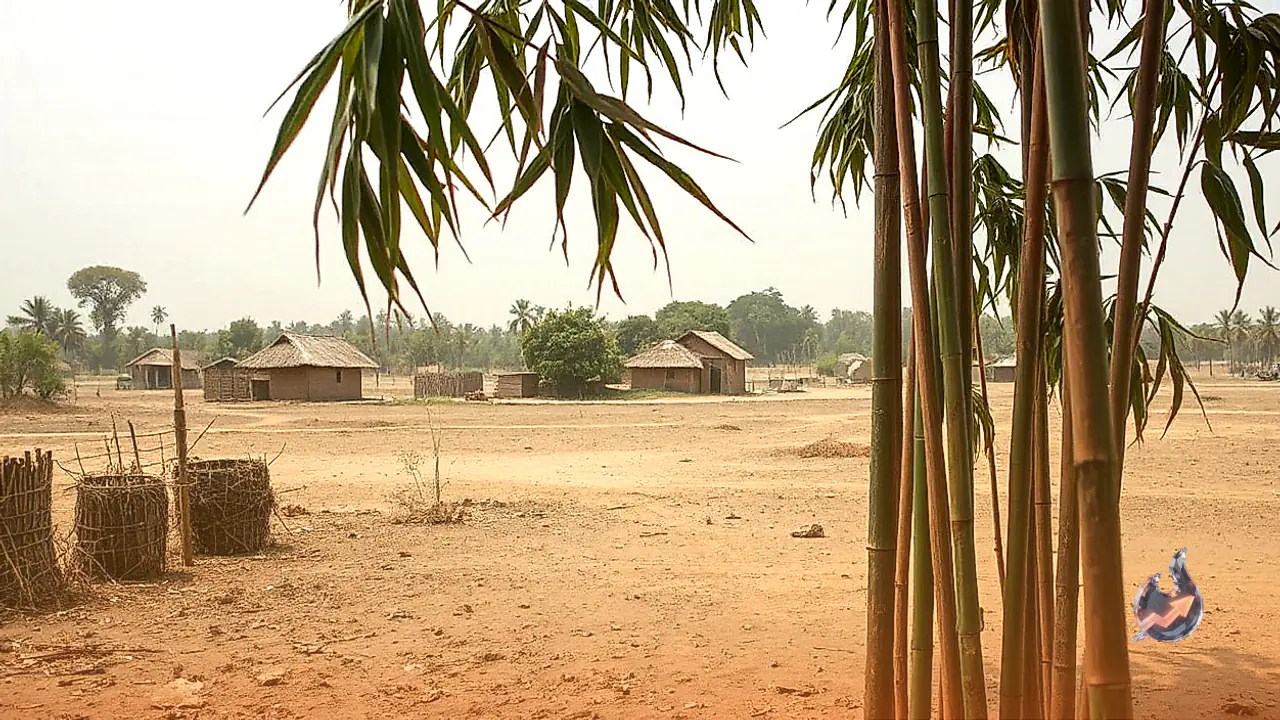



















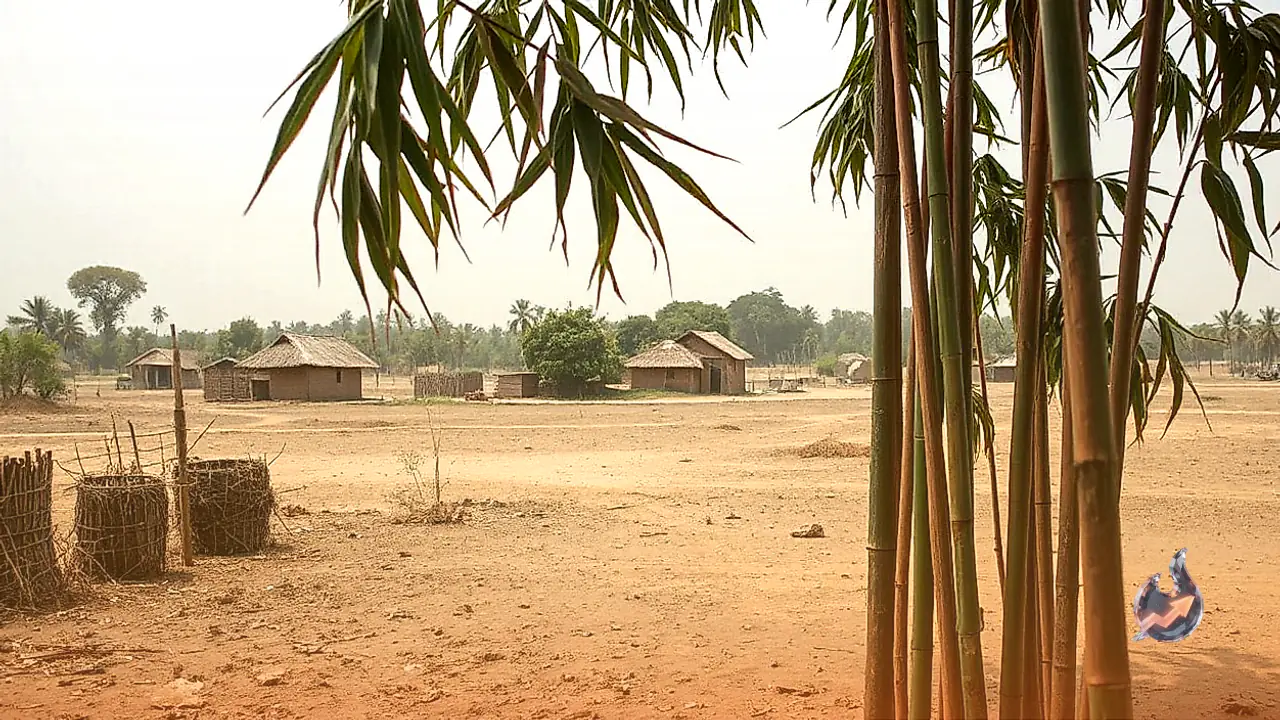

In the rural expanses of Ballia district, an ancient folk practice connected to local bamboo groves still lingers in public memory. A soft, brownish, cotton-like substance naturally forms on the nodes of bamboo stalks, known among local villagers as noni or koth. When the surface of a bamboo joint is scraped gently with a fingernail or a thin edge, this fibrous residue comes loose. Decades ago, long before modern hospitals and pharmaceutical dispensaries were easily accessible in remote countryside settlements, this humble plant material served as a dependable, household first-aid remedy for everyday cuts and scrapes.
A Traditional Remedy for Bleeding Cuts
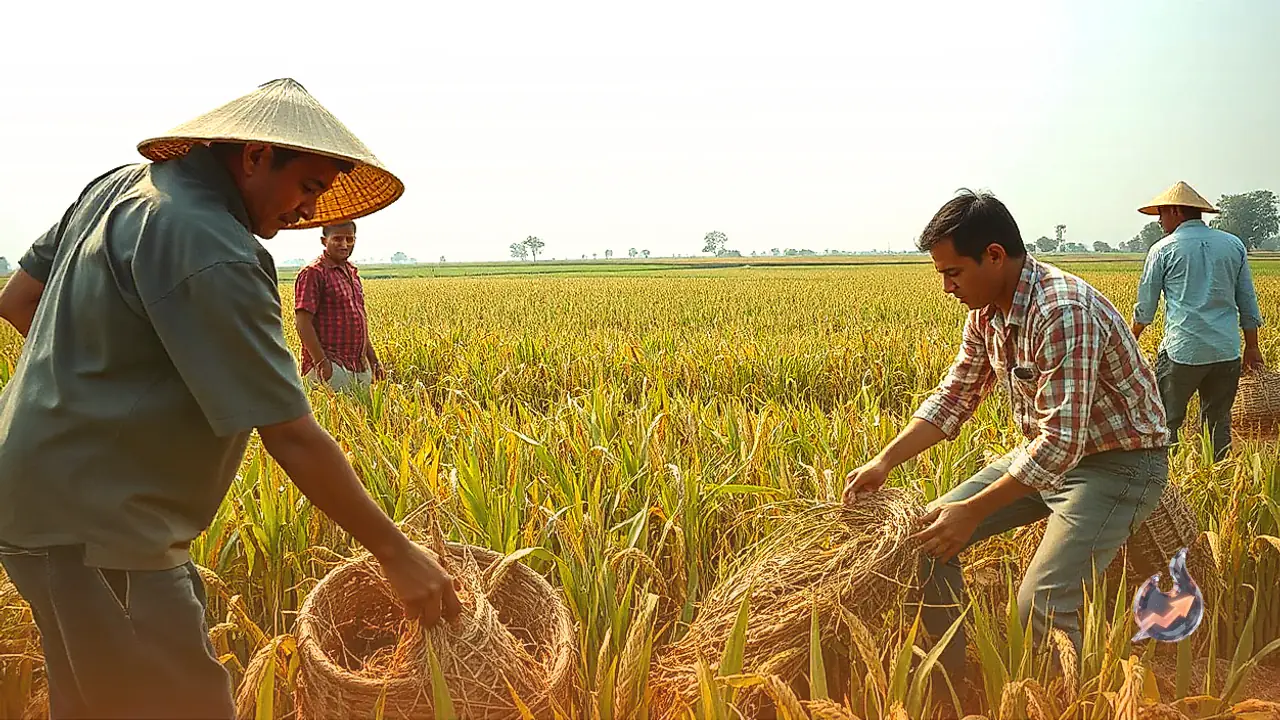
Older generations recall that whenever farming chores or daily labour led to an unexpected cut on a hand or foot, people immediately turned to the nearest bamboo clump. An elderly village resident, Saral, explains that whenever sudden cuts occurred, this natural cotton extracted from bamboo nodes was promptly pressed over the injured skin. According to traditional village experience, applying this fibrous substance helped staunch the bleeding almost immediately, allowing the surface wound to gradually dry and heal over time. In an era characterized by scarce medical resources, this readily available plant fuzz served as an effective natural bandage for rural households.
Historical Perspective and the Concept of Stitches
Providing cultural and historical context to this widespread practice, eminent historian Dr. Shivkumar Singh Kaushikey points out that this bamboo fuzz was regarded much like an antiseptic ointment in bygone eras. Throughout rural communities, it was long considered valuable for soothing surface cuts and open skin abrasions. According to Dr. Shivkumar Singh Kaushikey, villagers in older times would even apply it across wider lacerations, believing that holding the parted skin together with this fibrous material functioned much like traditional surgical stitches. However, that reliance stemmed from local necessity and generational lore rather than verified clinical evidence.
Infection Risks and Modern Medical Guidance
Although the practical application of noni or koth remained strictly external, contemporary healthcare understanding cautions against relying on such folk traditions for modern wound care. When dealing with deep, severe, or extensive wounds, applying scraped bamboo residue cannot replace proper surgical sutures, sterile antiseptics, or treatment by a qualified doctor. Placing unverified natural matter onto broken skin exposes the open tissue to significant risks of microbial infection. The safest course of action during an injury is to rinse the wound thoroughly with clean water, apply firm and steady pressure with a sterile cloth or gauze to control bleeding, and promptly visit a medical facility for professional care whenever necessary.