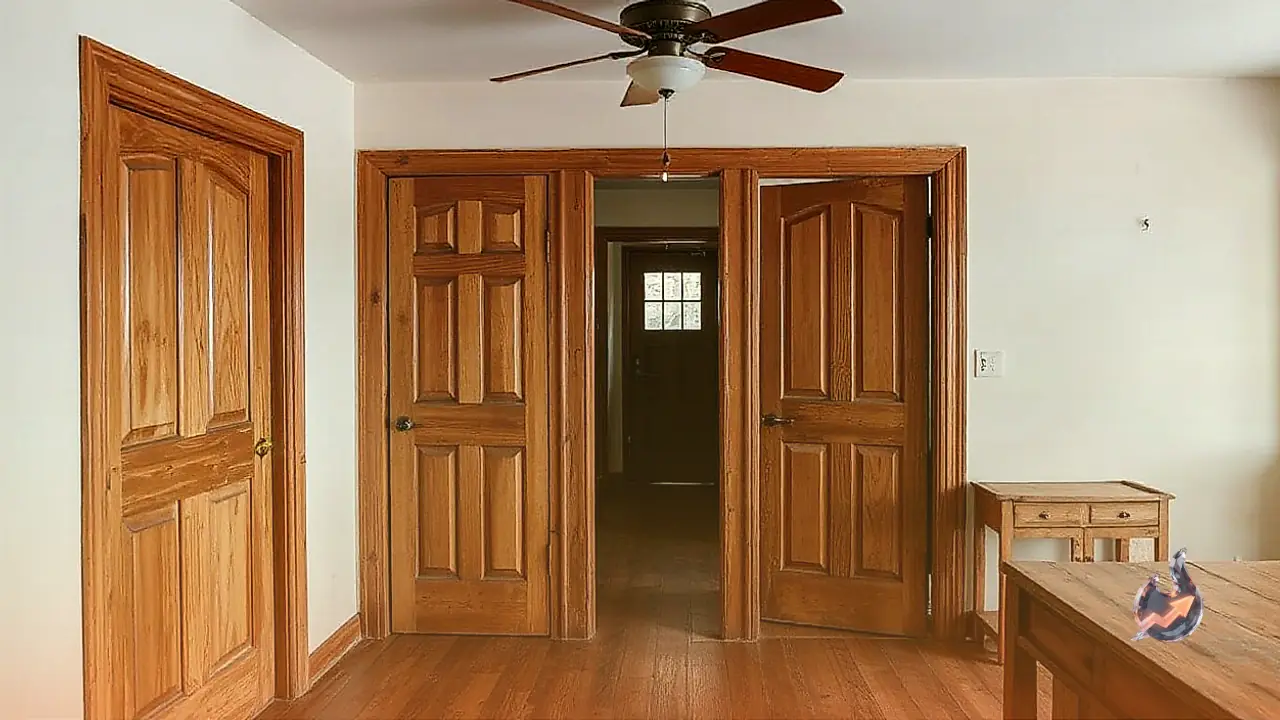























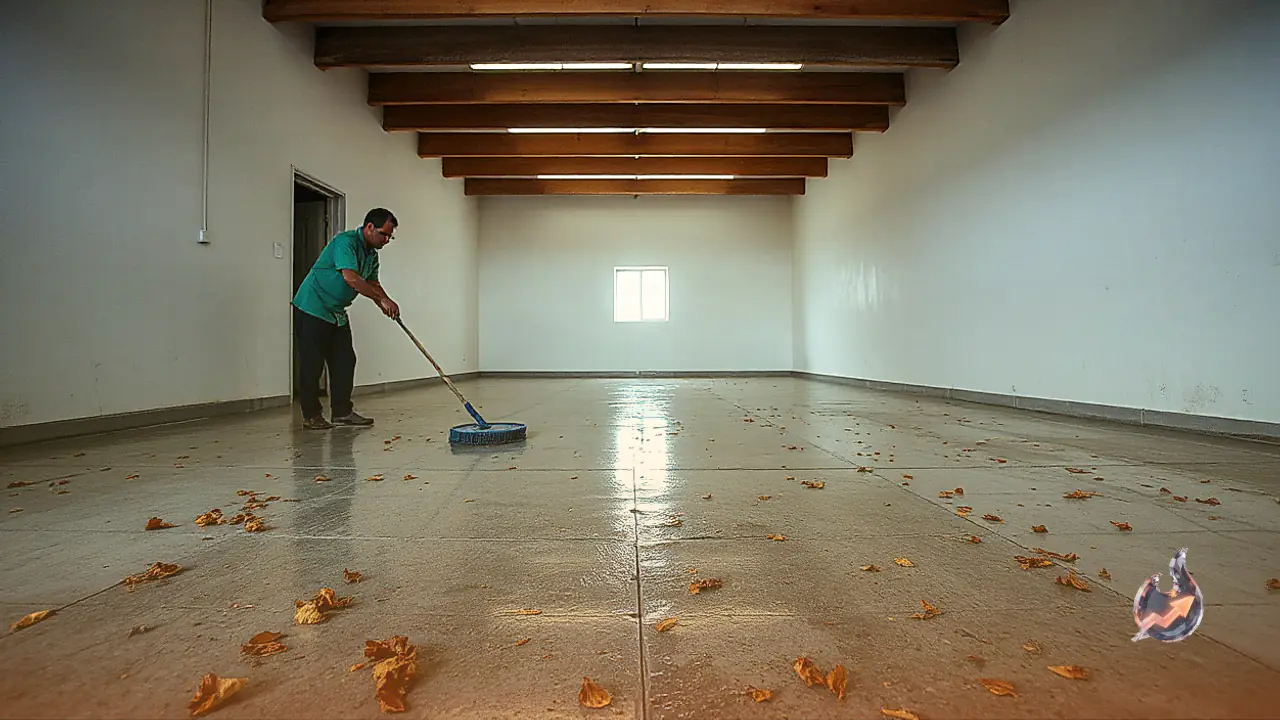

Mopping the floor daily is an essential household chore that keeps indoor spaces orderly, reduces dust, and maintains general cleanliness. Running a damp mop across the rooms does more than lift loose dirt, as it actively keeps bad odors under control. Many homeowners notice that plain tap water alone is rarely sufficient to pull out stubborn grime or greasy residues. The surface can remain dull and sticky even after thorough scrubbing. Incorporating familiar kitchen staples into your mopping bucket can dramatically boost cleaning performance, cutting through heavy residues and leaving the entire home smelling fresh.
Matching the Cleaner to Your Floor Material
The single most important rule before mixing any cleaning agent into your water is understanding your specific flooring type. Tiles, hardwood, natural marble, laminate, and stone surfaces have completely different chemical tolerances. Using the wrong mixture can permanently etch mineral stones, strip protective sealants, or fade delicate finishes. Selecting the right substance based strictly on the material underfoot guarantees both spotless results and long-term surface preservation.
Cutting Daily Grease with Liquid Dish Soap
When you are uncertain about what cleaning solution is safe to apply, simple dishwashing liquid serves as an accessible and gentle option. Adding just a tiny amount of dish soap to the mop water breaks down household grease, film, and trodden-in grime. Because it acts as a mild surfactant, it is safe to apply across a wide variety of surfaces including ceramic tiles, natural stone, sealed wood, laminate, vinyl, and linoleum floors without risking damage to the finish.
Eliminating Germs and Odors with Rubbing Alcohol
Rubbing alcohol acts as a potent disinfectant that simultaneously neutralizes unpleasant household odors. It possesses germ-reducing properties that make it exceptionally effective against common bacteria, viruses, and fungal spores lingering on the ground. Incorporating rubbing alcohol into your cleaning routine ensures high-traffic pathways are properly sanitized. It works reliably on laminate, hardwood, sealed tile, and luxury vinyl floors.
Harnessing Vinegar While Avoiding Delicate Stones
White vinegar has long served as a staple household cleaner, known for lifting settled grime from standard tiles and laminate. Its naturally acidic composition means it is not universally safe for all surfaces. While vinegar performs well on tiles, vinyl, linoleum, and laminate, it must never be used on unsealed wood, marble, or travertine. The inherent acid can erode and etch natural stone surfaces, leading to dull patches that cannot be easily repaired.
Infusing Lasting Freshness with Essential Oils
Homeowners who desire an inviting scent throughout the house after cleaning can add a few drops of natural essential oils directly into the bucket. Fragrances like lavender, eucalyptus, and peppermint are widely favored for their crisp, refreshing aromatic qualities. Adding these natural extracts to your wash water provides outstanding results across hardwood, laminate, tile, and vinyl floors, ensuring the entire space retains a clean aura long after the water dries.
Removing Stubborn Scuffs with Baking Soda
Baking soda remains a reliable kitchen companion for lifting tough blemishes and neutralizing embedded ground-level smells. It requires caution on sensitive materials, specifically wooden planks and surfaces coated with protective wax layers, where its texture could compromise the finish. For standard ceramic tiles and durable vinyl floors, a moderate baking soda solution provides dependable stain-lifting power.