




















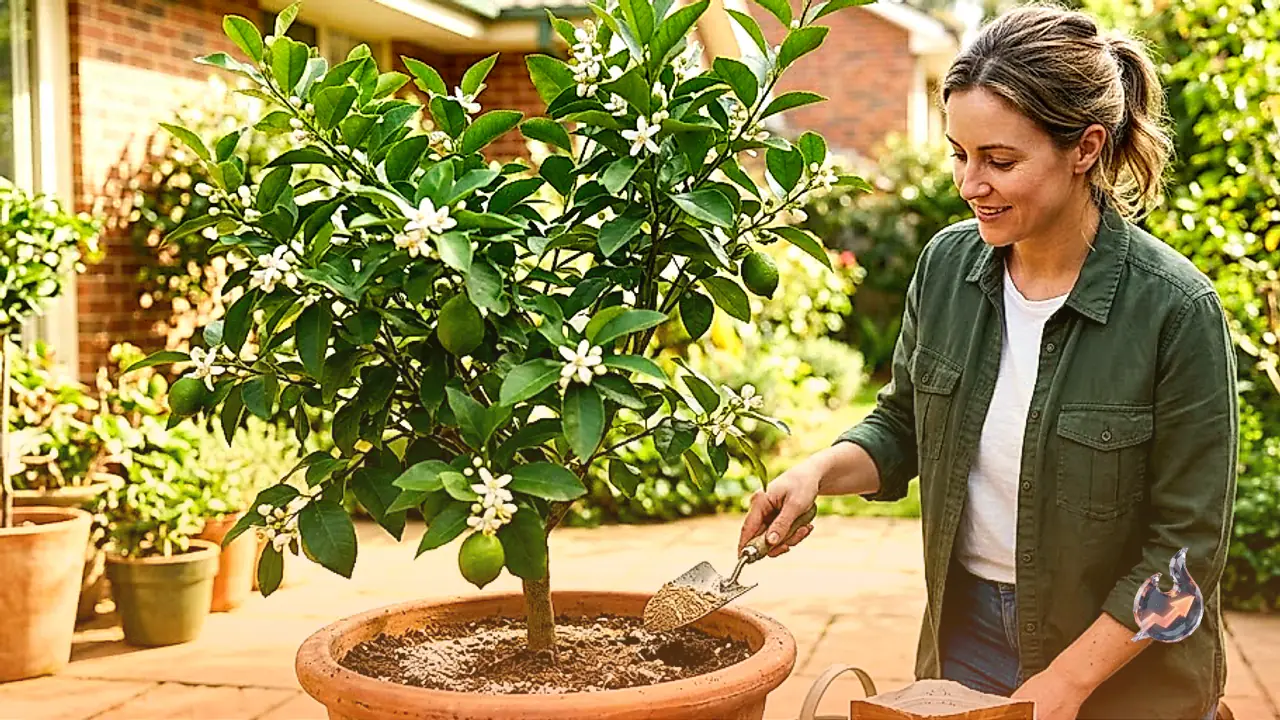

Planting a lemon tree inside a garden pot is a fairly straightforward project, but waiting for blossoms to emerge and successfully mature into juicy fruit often demands considerable patience. Many home gardeners notice an abundant display of white blooms, only to watch them drop off the branches just a few days later. When this happens, casual watering routines are no longer enough, and correcting the nutritional balance of the container soil becomes an urgent priority. During the critical flowering window, providing targeted nourishment directly supports cellular growth and strengthens the botanical process of fruit setting.
Understanding Nutritional Demands During Flowering
Once a container lemon begins setting floral buds, maintaining regular moisture alone cannot carry the plant through its reproductive cycle. During this delicate phase, citrus specimens require an uninterrupted combination of direct sun exposure, stable root humidity, and specific minerals. Phosphorus functions as an indispensable core nutrient throughout this period, playing a decisive role in root structural expansion as well as the internal hormonal and metabolic processes required for bud maturation and fruit retention.
However, the value of phosphorus does not mean that dumping excessive amounts into the soil will automatically yield bumper crops. Container volume, the current mineral profile of the growing medium, the maturity of the citrus tree, seasonal weather fluctuations, and broader physiological requirements all govern nutrient uptake. Consequently, fertilizers must always be administered strictly according to immediate botanical requirements and the exact application dosages printed on product packaging.
Utilizing Bone Meal as a Phosphorus Supply
Within traditional horticulture, bone meal remains a widely utilized amendment to address phosphorus deficiencies. It can be worked into the potting mix around a lemon tree in strictly measured, modest quantities. One distinct advantage of bone meal is its slow-release action, releasing minerals gradually into the soil over extended periods. Because the decomposition occurs over several weeks or months, growers do not need to constantly reapply the amendment.
Cultivating specimens inside the confined environment of a planter demands heightened caution. Applying excessive volumes of bone meal offers no guarantee of superior yields and can actively disrupt the delicate balance of the potting substrate. Assessing the physical and biological condition of the root medium before introducing any amendment is critical to avoiding unintended root distress.
Organic Plant-Based Alternatives Using Banana Peels
Gardeners who prefer entirely plant-derived amendments instead of animal-based bone meal can turn to homemade fertilizer derived from banana peels as a viable organic alternative. Residual peels from the kitchen can be thoroughly sun-dried and ground into a dry powder, or soaked in water to formulate a nutrient-rich organic liquid feed.
Banana peels supply meaningful concentrations of potassium along with trace elements, both of which support overall plant vitality and reproductive strength. However, burying fresh or whole banana skins directly into potting soil in heavy amounts is a bad gardening practice. Decomposing raw matter in tight planters readily attracts unwanted pests, fungal gnats, and foul odors. Utilizing properly processed, dry, and balanced preparations ensures that the plant absorbs clean nutrition without contaminating the pot.
The Function of Rock Phosphate in Soil Chemistry
Rock phosphate represents another naturally mined mineral source frequently utilized in horticulture to furnish bioavailable phosphorus. Much like bone meal, it releases phosphorus at an extremely deliberate pace as natural weathering occurs in the dirt. Its overall bioavailability is heavily dictated by soil texture and natural acidity levels.
A temporary lull in flowering should never trigger an abrupt, heavy dose of rock phosphate into the container. If the potting mixture is already rich in balanced organic compost and adequate baseline minerals, the need for concentrated mineral amendments declines significantly. Inspecting soil health first prevents unnecessary mineral accumulation that could interfere with root function.
Balancing Direct Sunlight and Soil Hydration
Relying exclusively on commercial fertilizers will never generate heavy clusters of lemons if baseline cultural requirements are ignored. Citrus varieties are inherently heliophilic plants that require strong, uninhibited illumination to drive photosynthesis and energy storage. Planters should be situated in an outdoor area or open balcony where the foliage receives continuous hours of direct sunlight each day. Shady spots weaken flowering capability regardless of fertilizer quality.
Moisture management demands equal vigilance. Keeping the container soil constantly drenched suffocates the root system, paving the way for fungal rot and premature bloom drop. Conversely, letting the root ball dry out completely subjects the tree to acute moisture shock, prompting the plant to shed both flowers and newly formed baby fruit to conserve internal resources. Checking the top layer of dirt with a finger before pouring water provides an effortless and reliable way to gauge true hydration needs.
Managing Natural Blossom Drop and Total Plant Health
The appearance of floral buds does not call for an emergency influx of synthetic boosters or frequent soaking. A certain proportion of flowers will naturally abort as part of the plant's self-thinning behavior, and it is botanically normal that not every bloom develops into a full lemon. Establishing an undisturbed microclimate, ample sunlight, and measured irrigation remains far more decisive than aggressive chemical interventions. If a container tree consistently pushes out lush green foliage while refusing to bud, gardeners should step back to evaluate pot volume, sun exposure, water drainage, and substrate quality rather than assuming phosphorus starvation alone is the culprit.