
























The monsoon season brings vibrant greenery to the surroundings, providing an ideal environment for nurturing various medicinal plants at home. According to Ramkumar, a resident of Jyoraha village in Chhatarpur district, the traditional herb known locally as Elephant Bel flourishes along roadsides and forest areas during rainy weather. This versatile climbing plant not only elevates the aesthetic appeal of home balconies and walls but also holds significant value in traditional remedies for leg health.
Knowledge Gained from Forest Department Experience
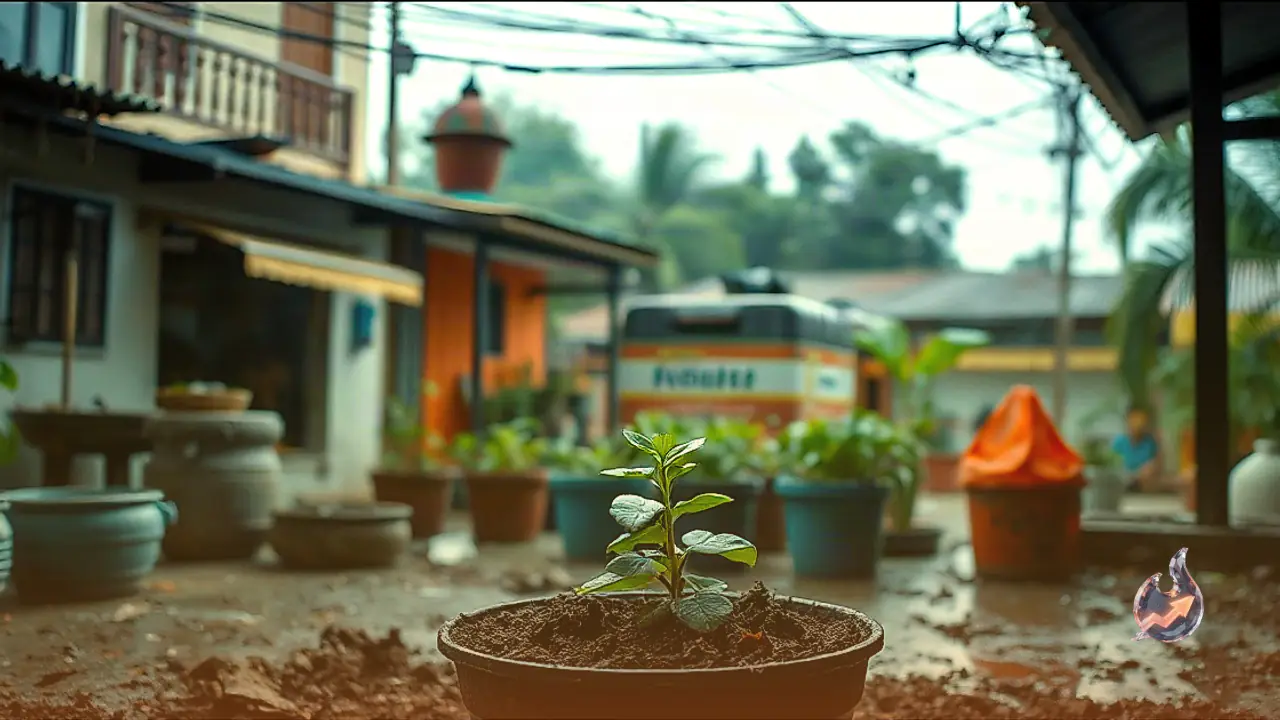
Ramkumar acquired extensive botanical insight during his years working alongside senior officers and experts in the Forest Department. Drawing from this firsthand field exposure, he explains that Elephant Bel sprouts naturally on unpaved ground and roadside patches as soon as the rains begin. Transplanting this vine becomes particularly easy during the monsoon if a parent plant is available nearby. Alternatively, gardening enthusiasts can also source seedlings directly from a local plant nursery.
Support Requirements and Growth Habit
As a fast-spreading climber, Elephant Bel requires proper structural support to grow effectively. Ramkumar highlights that when planting this creeper, it should ideally be positioned near a sturdy wall, rooftop, or tree trunk that can accommodate its trailing stems. With adequate support, the vine climbs seamlessly over balconies and exterior walls, forming a lush green cover that adds natural beauty to residential structures. Starting from a modest sapling, it rapidly transforms into a dense, expansive botanical canopy.
Distinctive Features and Leaf Structure
The vine earned its regional name, Elephant Bel, due to its impressive scale of growth and broad foliage. Its leaves feature a prominent heart-shaped or cordate appearance. A careful inspection of tender new leaves reveals fine, silver-toned hairline structures on their undersides. In rural farming communities, these broad leaves have long been utilized for various practical everyday purposes.
Traditional Medicinal Applications for Leg Swelling
In traditional herbal medicine, Elephant Bel has been valued for generations to address physical ailments. Ramkumar mentions that according to long-standing wisdom passed down by village elders, applying a ground paste of these leaves helps alleviate foot swelling and leg discomfort. Traditional practices also associate the leaf application with managing conditions like elephantiasis. The natural compounds in the leaves are believed to reduce inflammation when applied topically.
Importance of Professional Medical Consultation
While the therapeutic qualities of Elephant Bel are widely acknowledged in traditional circles, proper caution is essential before attempting any home remedies. Ramkumar emphasizes that individuals should always consult an experienced Vaidya or certified Ayurvedic practitioner to understand the correct preparation and application methods. Expert medical guidance ensures safe usage and avoids any potential adverse reactions.