



















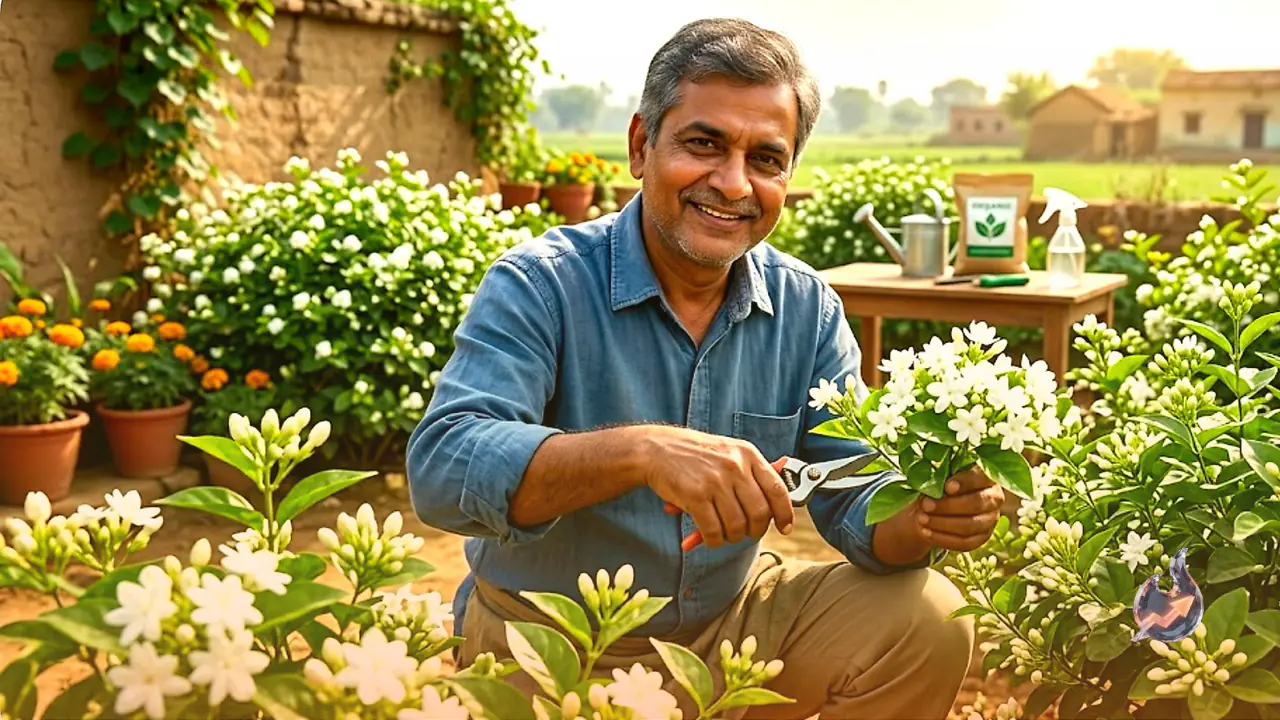

Mogra is a plant gardeners fall in love with for its white flowers and their rich, sweet fragrance. In the summer and monsoon months, a healthy mogra plant can fill a courtyard or balcony with scent. Yet many home gardeners are left puzzled by a plant that looks full and green but produces no buds at all. Gardening expert Arun Kumar Singh from Raebareli district explains that this gap between a lush plant and a blooming one comes down to five care factors that most gardeners overlook or handle incorrectly.
The desire to see mogra blooming throughout the season is something almost every home gardener shares. Simply watering the plant is not enough. Mogra needs the right amount of sunlight, fertilizer at regular intervals, water matched to the season, timely pruning to drive new growth, and protection from pests and disease. Arun Kumar Singh says that when all five of these are in order, the plant fills with buds and flowers on its own.
Direct Sunlight Every Day
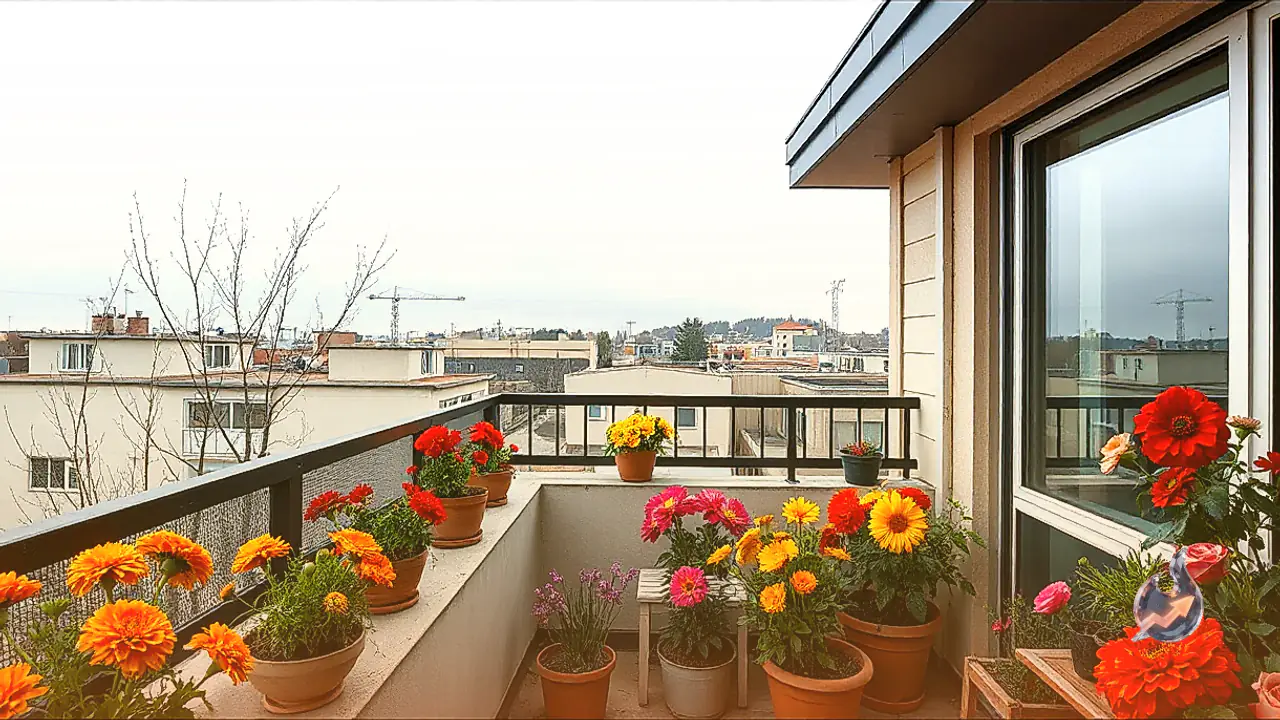
Mogra needs at least 5 to 6 hours of direct sunlight every day. This is where many gardeners go wrong. A plant kept in shade or indoors may stay green and leafy, but it will not form buds. The pot must be placed somewhere that gets strong, unobstructed sunlight throughout the day, whether an open terrace, a well-positioned balcony, or an open courtyard. No fertilizer or care routine can substitute for this daily requirement.
Prune Regularly to Drive New Growth
Buds form only on new branches, which makes regular pruning one of the most effective ways to increase flower count. Cut away any dried or weakened branches with scissors. When flowers on a branch wilt and dry out, trimming the branch tip slightly is enough to trigger a fresh set of buds at that same point. The more new branches a plant produces, the more buds appear. Consistent pruning redirects the plant's energy entirely toward fresh growth and flowering.
Feed With the Right Fertilizer
Mogra is a heavy feeder and needs consistent, substantial nutrition to sustain flowering. At least once a month, loosen the soil in the pot and work in well-composted cow dung manure or vermicompost. Adding fertilizer prepared from dried banana peels, or mixing in a small amount of bone meal, supplies the potassium and phosphorus that mogra needs most for heavy blooming. These two nutrients are considered the most important for driving flower production in this plant. Skipping regular feeding is one of the most common and overlooked causes of a flowerless mogra.
Water According to the Season
In summer, check the top layer of soil in the pot before watering. If it still feels moist, wait. Allowing water to sit in the pot causes root rot and can kill the plant. During the monsoon season, check the drainage hole at the base of the pot regularly to confirm that excess rainwater is escaping freely. A waterlogged pot during the rains is just as damaging as an under-watered one in summer heat.
Protect From Pests and Fungal Infection
A plant battling insects or fungal disease cannot channel its energy into producing flowers. If tiny bugs, webbing, or white fungal patches appear on the leaves, treat the problem immediately. Mixing neem oil with water and spraying the entire plant is a natural remedy that works against both insects and fungal growth. An organic pesticide is an equally effective alternative. Once the plant is free from infestation and disease, its growth improves and the number of blooms increases noticeably without any other change in care.
Tending to these five factors consistently across the growing season gives mogra everything it needs to bloom to its full potential. Small, deliberate habits around placement, feeding, watering, trimming, and pest control combine to transform a leafy but silent plant into one covered in fragrant white flowers all season long.