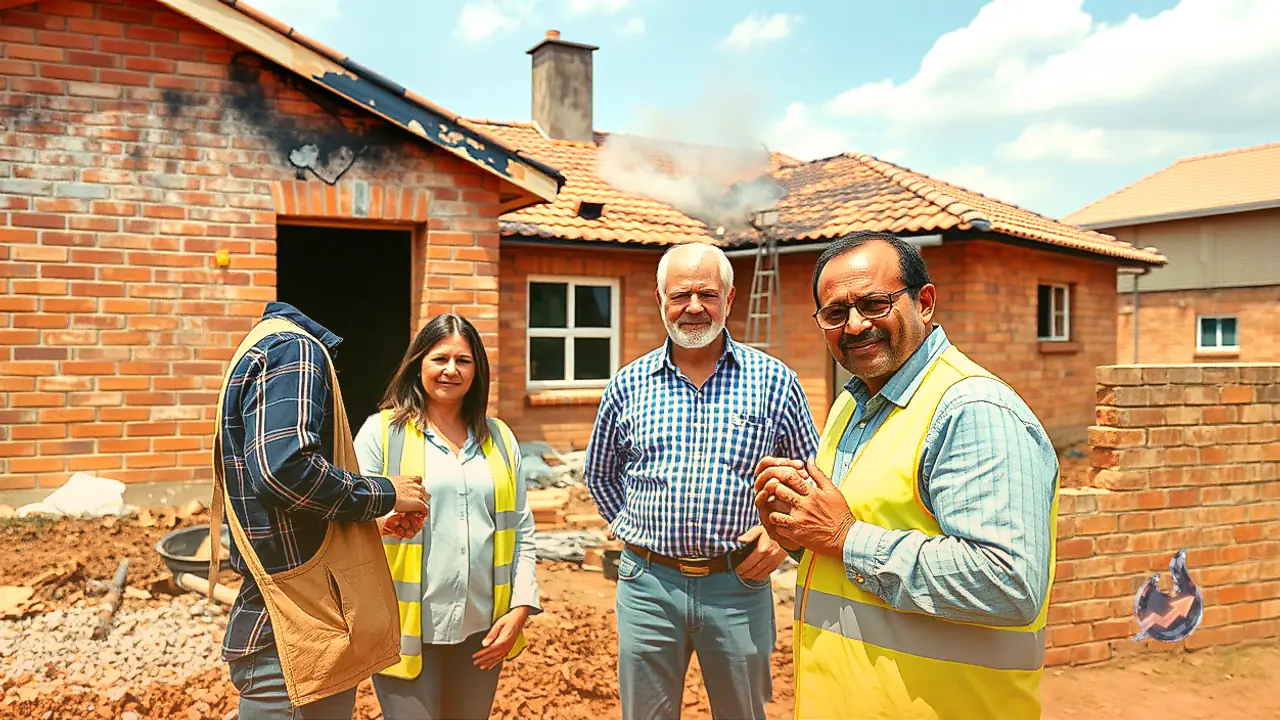















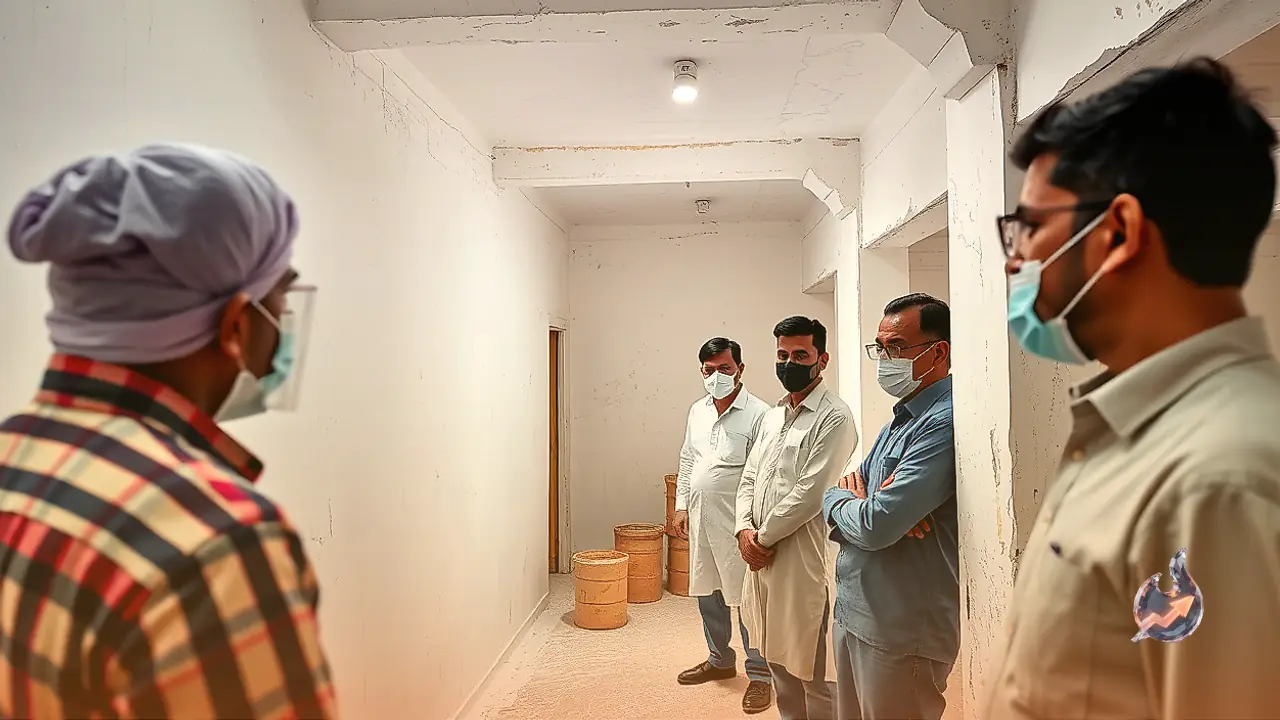

When residential properties age, owners routinely opt for repainting or superficial patching to spruce up the exterior, assuming the premises remain perfectly secure. However, a cosmetic coat of paint cannot reflect the inner structural soundness of a building or indicate how safely it can bear its existing loads. It is vital to assess the internal state of bricks, cement mortar, concrete elements, and other foundational materials used inside aging properties. Critical symptoms like visible fractures creeping across load-bearing surfaces, persistent dampness spreading through ceilings, corroded iron reinforcements, or walls leaning out of plumb should never be taken lightly.
Laboratory Analysis Uncovers Actual Material Integrity
Ajay Bhadauria, a civil engineer with 16 years of hands-on experience in construction in Agra, notes that property owners can commission scientific laboratory evaluations to determine the authentic condition of vintage masonry. Under the direct supervision of an engineering specialist, technicians collect small core samples of cement mortar, extracted bricks, and lime or binder substances from strategic wall sections. Subjecting these samples to standardized laboratory testing reveals their current structural density, lingering bond strength, and overall degradation over the years.
Testing Expenses and Laboratory Locations Across Agra
Addressing the financial outlay involved, Ajay Bhadauria explained that modern commercial laboratories across Agra perform these diagnostic assessments for approximately 5 to 6 thousand rupees. The resulting technical reports deliver concrete data regarding the quality of cement binders, compressive capacity of fired bricks, and resilience of structural mortars. According to him, testing facilities capable of executing these specific investigations operate in Agra across prominent zones including Sanjay Place, near Bhagwan Talkies, Rohta, and Shastripuram.
Why Material Testing Must Be Paired with Structural Audits
Relying exclusively on material samples from a testing laboratory is not sufficient to declare how many years a structure can safely remain inhabited. Ajay Bhadauria cautioned that an exhaustive on-site audit of the entire building by a qualified structural engineer remains equally indispensable. Only after a professional inspection examines structural load distribution, foundations, beams, and columns can one confirm whether the building merely requires preventative repairs, structural retrofitting, or extensive reinforcing interventions.
Critical Structural Warnings Demanding Timely Intervention
Certain distress indicators across aging masonry serve as clear warnings of impending structural trouble. Fissures widening along walls, relentless seepage infiltrating ceiling slabs, rusting rebar pushing through crumbling plaster, or a perimeter partition visibly bowing out of alignment are issues that require immediate professional intervention. Addressing these technical red flags early helps pinpoint the root cause before structural failure occurs, allowing homeowners to implement focused repairs and restore stability.
Sound Engineering and Materials Can Yield a 60-Year Lifespan
Drawing on his 16 years in the sector, civil engineer Ajay Bhadauria emphasized that the longevity of any home rests largely on the quality of raw materials procured and the construction practices applied during initial execution. Building a dependable residence requires certified cement, high-grade steel reinforcements, well-fired bricks, suitable sand, and pure aggregates, combined with proper construction methodology. According to Bhadauria, when constructed using quality materials and rigorous engineering standards, a home can easily endure for around 60 years. Nevertheless, this does not represent a rigid lifespan for every structure, as subterranean soil stability, architectural design, overall workmanship, local climatic exposure, and ongoing maintenance continually shape how long a building survives.
Routine Maintenance Prevents Escalating Structural Failures
Long-term building preservation requires disciplined periodic oversight once construction wraps up. Ajay Bhadauria advised that homeowners should arrange a thorough property health review every one to two years. Wherever wear becomes visible, planned renovations and repairs should be carried out without delay. Attending swiftly to localized damage across walls, plaster, ceilings, and joints curbs underlying decay early, effectively shielding owners from catastrophic structural failures and exorbitant major repairs down the road.