













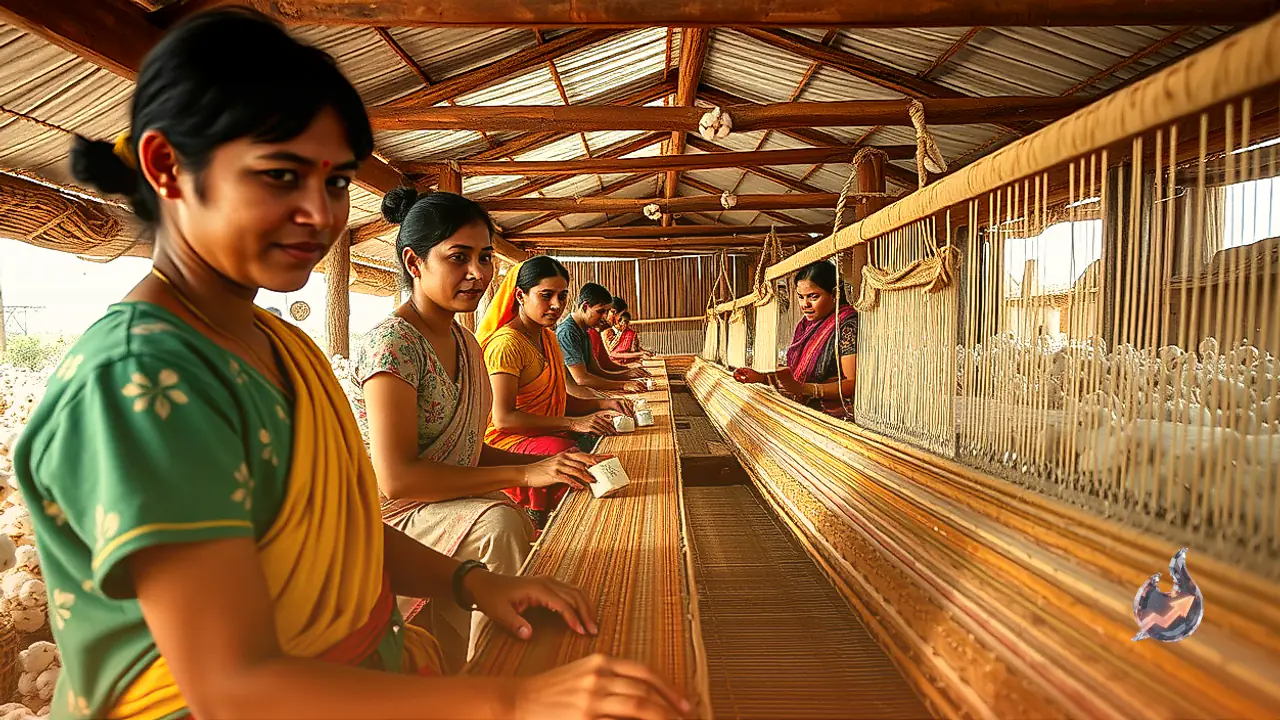

In an apparel marketplace dominated by machine manufactured textiles and toxic synthetic dyes, handwoven garments crafted from indigenous cotton and organic botanical extracts are presenting a sustainable alternative. Initially launched in Chennai and now expanding into Hyderabad, the Tula initiative safeguards environmental and human well-being while establishing economic self-reliance among rural weavers and cultivators. By abandoning commercial hybrid seeds in favour of heritage heirloom cotton varieties, this movement revitalises traditional agrarian practices alongside rural craft sectors.
Heritage Seeds And Spinning Wheels Driving Sustainable Production
The foundational principle of this movement rests on cultivating indigenous cotton strictly without synthetic fertilisers or agricultural chemicals. According to Jahnavi from Tula, the core objective is to restore native crop cultivation and convert raw organic harvests into completely natural garments. Once the raw cotton is harvested from the fields, workers spin the fiber into yarn using traditional spinning wheels known as charkhas. Skilled rural artisans subsequently weave this hand-spun yarn on traditional handlooms, avoiding power-driven automated mills entirely.
Botanical Dyeing And Biodegradable Coconut Shell Buttons
Coloration across these garments avoids commercial chemical pigments altogether. The dyeing process relies entirely on organic extracts formulated from botanical leaves, seasonal flowers, and plant residues. Attention to environmental sustainability extends even to garment fastenings, where synthetic plastic buttons are completely replaced with pieces hand-crafted from coconut shells. This comprehensive approach ensures that every garment remains completely non-hazardous, biodegradable, and capable of naturally decomposing into the soil at the end of its life cycle.
Protection Against Chemical Exposure And Seasonal Comfort
Conventional factory garments carry residual industrial chemicals and artificial dyes that easily seep into skin pores when exposed to human perspiration, frequently triggering dermatitis, itching, and chronic allergic reactions. In contrast, artisanal garments fashioned from heirloom cotton adapt naturally to shifting climates. They offer natural ventilation to keep the body cool through scorching summer heat while retaining comfortable warmth during the winter months. Superior moisture absorption makes these natural weaves singularly safe for daily skin contact.
Equitable Compensation Model And Empowering Rural Women
A distinctive feature of this production network is its transparent revenue sharing system. The proceeds generated from every garment purchase flow directly to the participating cotton cultivators, yarn spinners, handloom weavers, and tailors. A substantial portion of the workforce consists of rural women who now earn a dignified livelihood directly within their household setups. Furthermore, an allocated portion of the annual net profits is disbursed straight to farming families. Covering clothing needs from infants to adults, this initiative effectively preserves declining indigenous handloom traditions while safeguarding heirloom cotton biodiversity across the country.