






















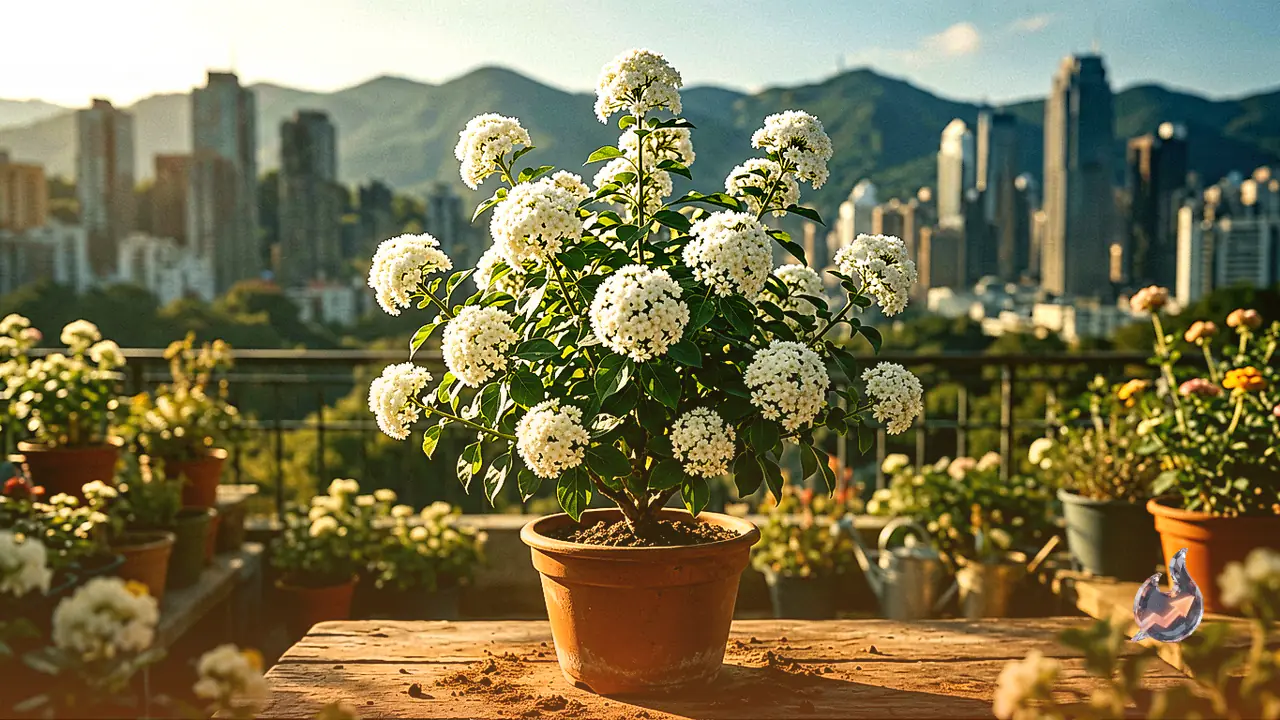

Every gardening enthusiast longs to see their Mogra plant laden with dense, white, and highly fragrant blossoms throughout the blooming season. However, it is quite common to find a lush green plant yielding very few flowers or failing to produce buds altogether. This usually happens due to improper maintenance, nutrient deficiencies, or insufficient sunlight exposure. According to Anil Kumar, who handles gardening at SVBP Inter College in Rae Bareli district, following a few fundamental plant care routines can ensure your Mogra remains covered in sweet-smelling flowers all season long.
Ensuring Adequate Sunlight Exposure
Direct sunlight is the most crucial requirement for encouraging heavy flowering on a Mogra plant. The plant needs at least 5 to 6 hours of direct, unfiltered sun every day to thrive. If the pot is kept in a shaded area, the plant may show rapid leaf growth and stay vibrant green, but bud production will drop significantly. Therefore, position your plant or container in an open spot that receives ample sunlight throughout the day.
Pruning Techniques for Maximum Buds
Regular pruning plays a vital role in stimulating fresh growth and flower development. Trimming away dry, weak, and aging branches allows the plant to direct its energy into generating healthy new shoots, which naturally bear more flower buds. Once a bloom cycle ends, conducting a light pruning encourages the plant to produce a denser flush of fragrant white blossoms in the subsequent growth cycle.
Providing Balanced Organic Nutrition
Proper fertilization is necessary to support continuous flowering. Feed the soil once a month with well-decomposed cow dung manure, vermicompost, or homemade organic compost. Additionally, introducing limited amounts of fertilizer made from banana peels or bone meal supplies essential potassium and phosphorus. These two nutrients play a key role in strengthening roots and promoting rich flower formation.
Avoiding Excessive Nitrogenous Fertilizers
While fertilizers are essential, using excessive amounts of nitrogen-rich fertilizers can backfire. High nitrogen levels stimulate foliage and leaf growth while suppressing the formation of flower buds. Gardeners should strictly maintain balanced nutrition to avoid getting an overly leafy plant with few blooms.
Season-Specific Watering and Drainage
Irrigation practices must be adjusted according to changing weather conditions. During the summer months, water the plant whenever the topsoil feels dry, taking care not to allow standing water in the container. Waterlogging suffocates the root system, causing root rot and weakening the plant. During the monsoon season, ensure proper drainage channels in pots so surplus rainwater drains out immediately.
Pest Protection and Maintenance Care
Protecting the Mogra plant from fungal infections and insect pests is essential for sustaining bloom productivity. If pests appear on the leaves or stems, spray a diluted neem oil solution or an organic pesticide. Consistent care, timely pruning, balanced feeding, and appropriate sunlight will keep the Mogra plant healthy and blooming abundantly, filling your home and garden with a captivating fragrance.