























As September arrives, the weather transitions into ideal conditions for home gardening, with balanced atmospheric moisture and moderate temperatures supporting healthy plant growth. For individuals planning to cultivate fresh vegetables on balconies, terraces, or courtyards, this season provides an excellent window of opportunity. According to District Horticulture Officer Dr Puneet Kumar Pathak, beginners looking to start their gardening journey can take full advantage of these favorable conditions. With a modest amount of daily attention and basic care, households can easily establish a reliable supply of fresh, nutrient-dense, and chemical-free produce at home.
Starting With Fast-Growing Leafy Greens
For beginners entering kitchen gardening, leafy greens such as spinach, fenugreek, coriander, and mustard are the easiest and most rewarding choices. These varieties germinate rapidly after sowing and do not require deep containers or extensive root space. Gardeners can plant them in shallow pots or wide containers with minimal soil depth. Within just a few weeks of sowing, the vibrant green leaves reach harvestable maturity, ready to be picked fresh for daily cooking needs.
Cultivating Root and Tuber Vegetables
September weather is equally conducive to growing root crops that develop beneath the soil surface. Vegetables like radish, carrot, and turnip thrive when planted in deeper containers or large grow bags. Because the edible portions expand underground, the soil mixture needs to be loose, well-aerated, and sufficiently deep to allow unhindered root expansion. Consistent and timely watering during the growth phase ensures proper root development, leading to superior texture and flavor.
Planting Tomatoes, Chillies, and Eggplants
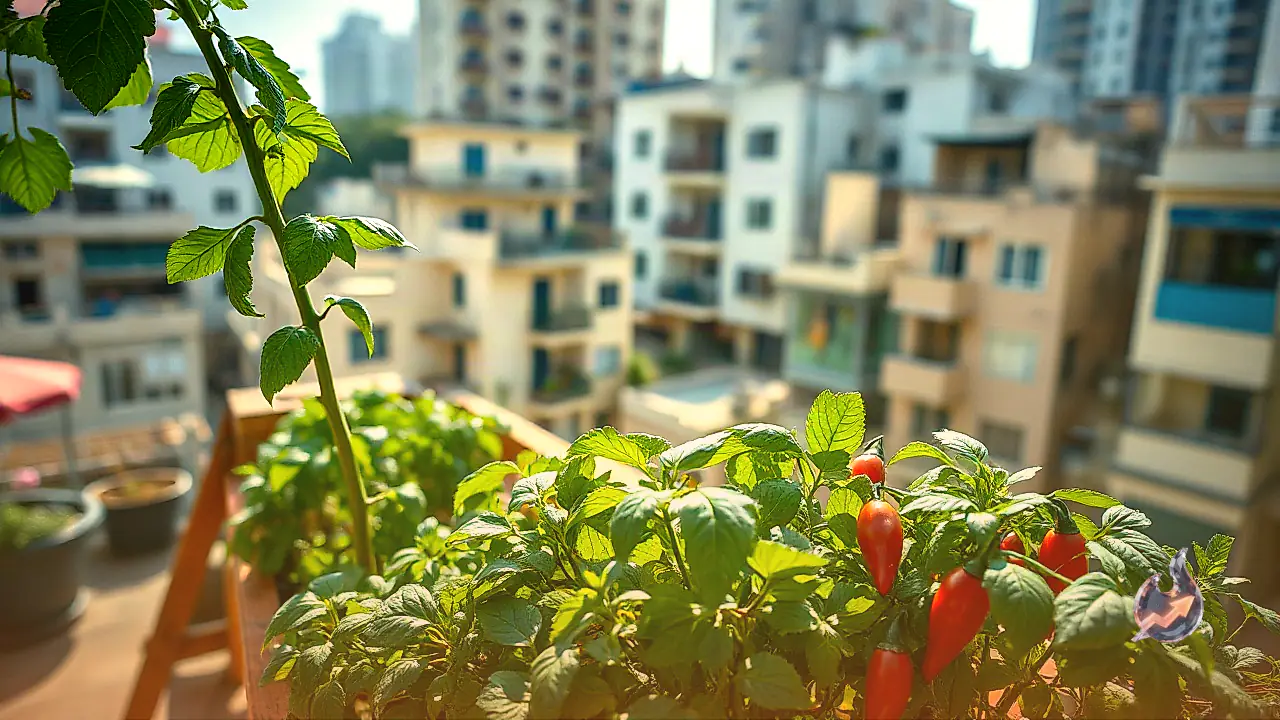
Home gardeners with standard pots can also grow fruiting solanaceous crops like tomatoes, green chillies, and eggplants. Rather than sowing seeds directly, purchasing healthy young saplings from a local nursery and transplanting them into pots yields better results. These fruiting plants require relatively more care, soil nutrients, and direct sunlight compared to leafy greens. Once flowering begins and young fruits develop, the investment of effort rewards gardeners with abundant home-grown produce.
Preparing Fertile Organic Soil Mixes
The foundation of a high-yielding container garden lies in the quality of its potting soil. Instead of relying solely on plain topsoil, mixing well-rotted cow dung manure or vermicompost provides essential organic nutrients required for plant vitality. Organic fertilizers improve soil structure and sustain long-term fertility without chemical residues. By completely avoiding synthetic fertilizers, gardeners ensure that their home-grown vegetables remain safe, wholesome, and rich in natural nutrients.
Sunlight Requirements and Container Placement
Sunlight is a fundamental requirement for plant metabolism and robust development. Containers should be placed in outdoor areas, balconies, or rooftops that receive at least four to five hours of direct sunlight every day. Adequate solar exposure strengthens plant stems, reduces vulnerability to fungal infections, and accelerates photosynthesis. Sufficient light directly boosts flowering capacity and enhances fruit development across all crop types.
Watering Techniques and Moisture Control
Proper irrigation management is critical when growing plants in pots or grow bags. Overwatering can lead to waterlogging in containers, which suffocates roots and causes fungal root rot. Gardeners should check the top layer of soil and apply water only when it feels dry to the touch. Watering during the cooler hours of early morning or late evening is optimal as it minimizes evaporation loss. Balanced irrigation keeps foliage healthy and prevents moisture stress.
Pest Prevention and Routine Maintenance
Maintaining a household vegetable garden is straightforward with consistent minimal care. Spraying a mild solution of neem oil acts as a safe, natural deterrent against common garden pests and insects. Additionally, regularly pruning dry or yellowing leaves prevents disease spread, while light soil tilling promotes aeration around root zones. Following these routine maintenance steps keeps the kitchen garden thriving throughout the season.