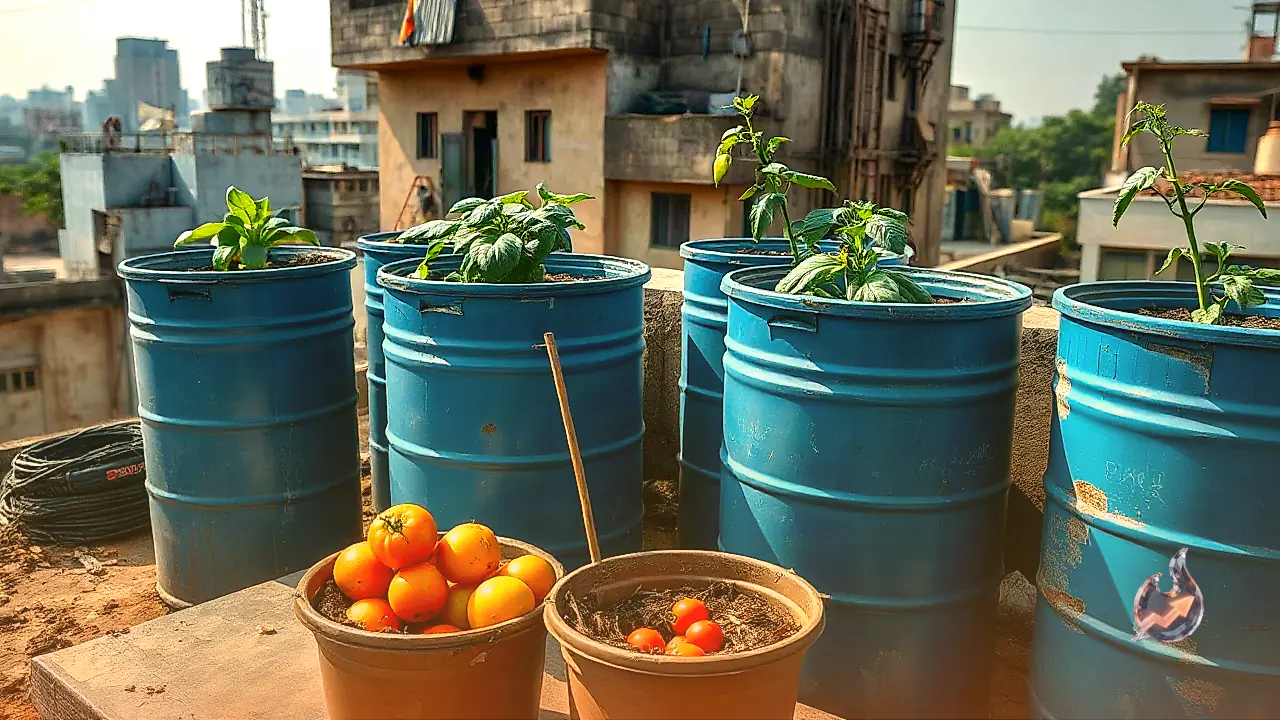



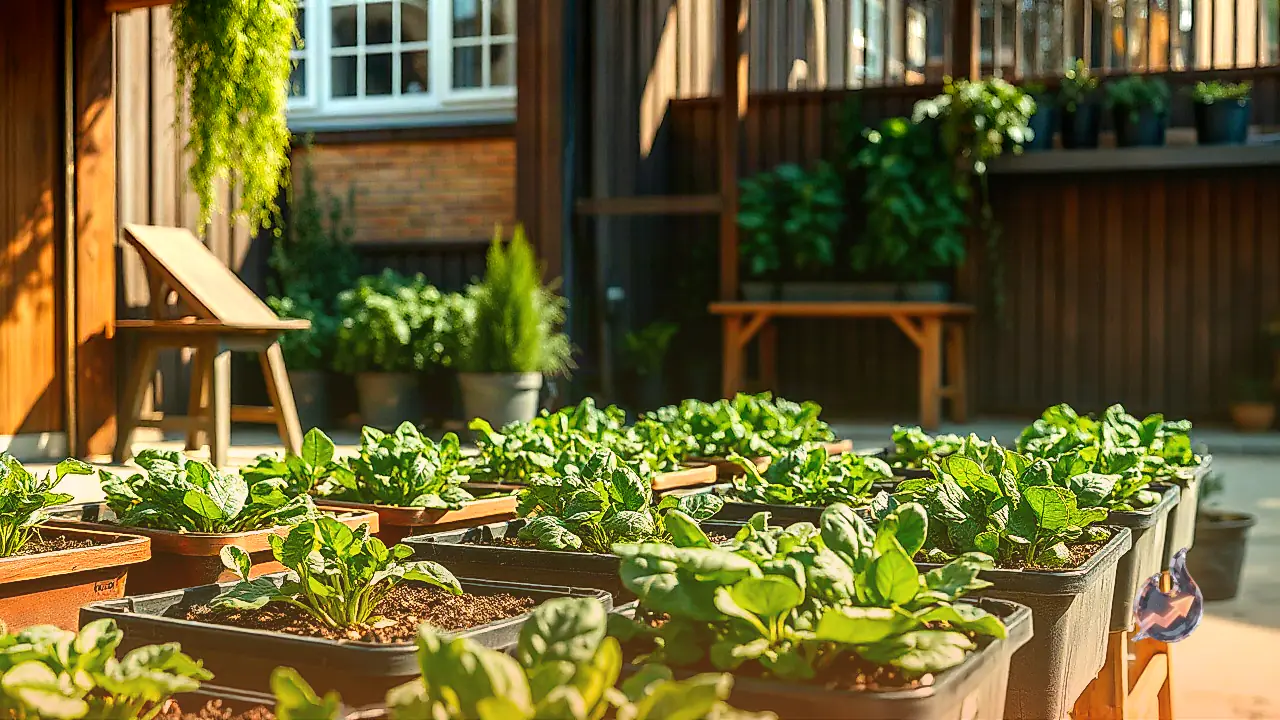
















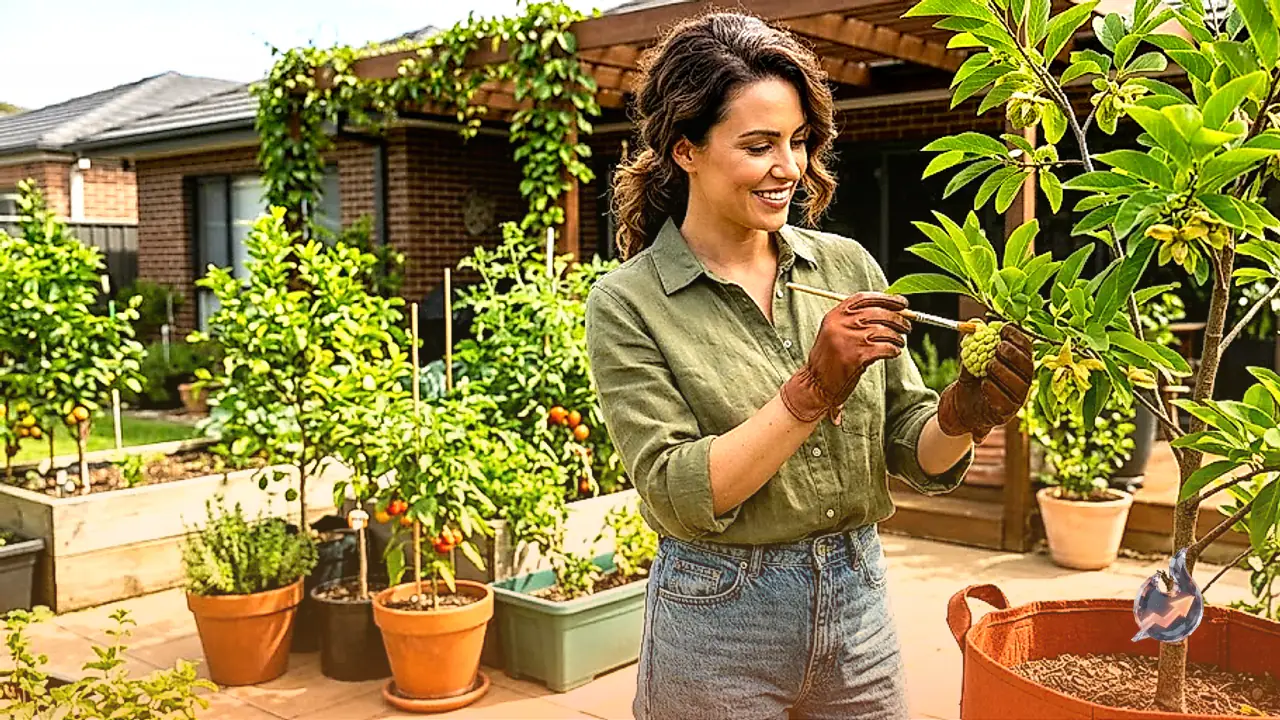

While custard apple trees thrive naturally in hilly regions, they can also flourish remarkably well in home gardens and terrace pots with proper attention. Many gardening enthusiasts successfully grow the shrub, only to face disappointment when blossoms drop off without producing fruit. Horticultural experts point out that without suitable growing conditions, foliage may flourish while fruiting remains elusive. BK Lalanbhai from Tapovan in Sirohi explains that adopting the right cultivation practices makes it entirely possible to harvest bountiful fruit right at home.
Selecting the Right Soil Mix and Pot Size
The foundation of a robust custard apple plant begins with its rooting medium. When planting in containers, the soil must be porous and loose enough to discharge excess moisture rapidly. Blending native garden soil with thoroughly decomposed cow dung manure or vermicompost provides essential sustenance. Furthermore, introducing a modest portion of coco peat or sand improves soil aeration and preserves an optimal water balance.
At the initial stage, a container measuring between 12 and 14 inches serves the young sapling well. As the root system expands and the plant matures, transitioning into an 18 to 20-inch pot provides sufficient room for growth. Drainage openings at the base of the container are indispensable to stop rainwater from stagnating. Lingering water suffocates roots, weakens structural resilience, and invites rot that can devastate the entire plant.
Sunlight Requirements and Regulated Watering
To bloom well and set fruit, custard apple demands plentiful natural illumination. The container should sit in an open spot that receives unhindered direct sunlight throughout the day. Keeping the plant in dense shade might induce elongated green growth, but it drastically reduces blossom production and subsequent fruiting.
Irrigation demands mindful discipline because supplying excessive water on a daily basis causes severe harm. Gardeners should administer water only after inspecting the top layer of soil and confirming it feels dry to the touch. During rainy spells, supplemental watering must be cut down drastically. However, once buds emerge and fruiting commences, preserving steady, mild moisture in the soil is crucial to stop blossom drop.
Targeted Nutrition and Strategic Pruning
Replenishing the soil with periodic organic fertilizers bolsters long-term health and growth. When feeding mature plants, fertilizer quantities should correspond strictly to the plant age, existing substrate fertility, and ambient climate. During the flowering phase, targeting nutrients rich in phosphorus and potash helps fortify blossoms. Rather than overdosing with fertilizers, applying nutrients in measured amounts suited to the plant condition delivers the best results.
Simultaneously, gardeners should regularly prune away dried, entangled, and fragile branches. The exact timing and technique of trimming depend on the plant variety and regional temperatures. Proper pruning stimulates energetic new shoots that carry fresh buds, allowing fruits to set sooner.
Overcoming Pollination Hurdles by Hand
A primary bottleneck in custard apple productivity lies in the unusual anatomy of its blossoms. Although each flower possesses both male and female structures, they do not mature at the exact same time. This biological mismatch frequently leaves blossoms unfertilized, causing them to wither away without bearing fruit. Gardeners can overcome this challenge by performing manual pollination using a delicate soft-bristled brush to transfer viable pollen to a receptive flower, dramatically increasing fruit yields.