























In modern apartment living, the balcony is often the only direct connection to the outdoors and a cherished personal sanctuary for greenery. Plant enthusiasts love curating potted collections, but limited floor area frequently creates a dilemma: whether to devote the space to ornamental foliage or use it for kitchen-friendly herbs and vegetables. Addressing this exact challenge, a smart gardening trend known as the edible corner is gaining traction among apartment dwellers. This concept focuses on styling a compact section of the balcony in a way that delivers both vibrant visual appeal and homegrown culinary produce.
The greatest advantage of setting up an edible corner is that it demands neither expansive real estate nor an overwhelming collection of planters. Regular flower pots, hanging baskets, and medium-sized containers integrate effortlessly into the arrangement. With thoughtful planning and smart spatial layout, even the most modest balcony can transform into an efficient and aesthetically pleasing mini-farm.
Blending Ornamental Decor With Kitchen Gardening
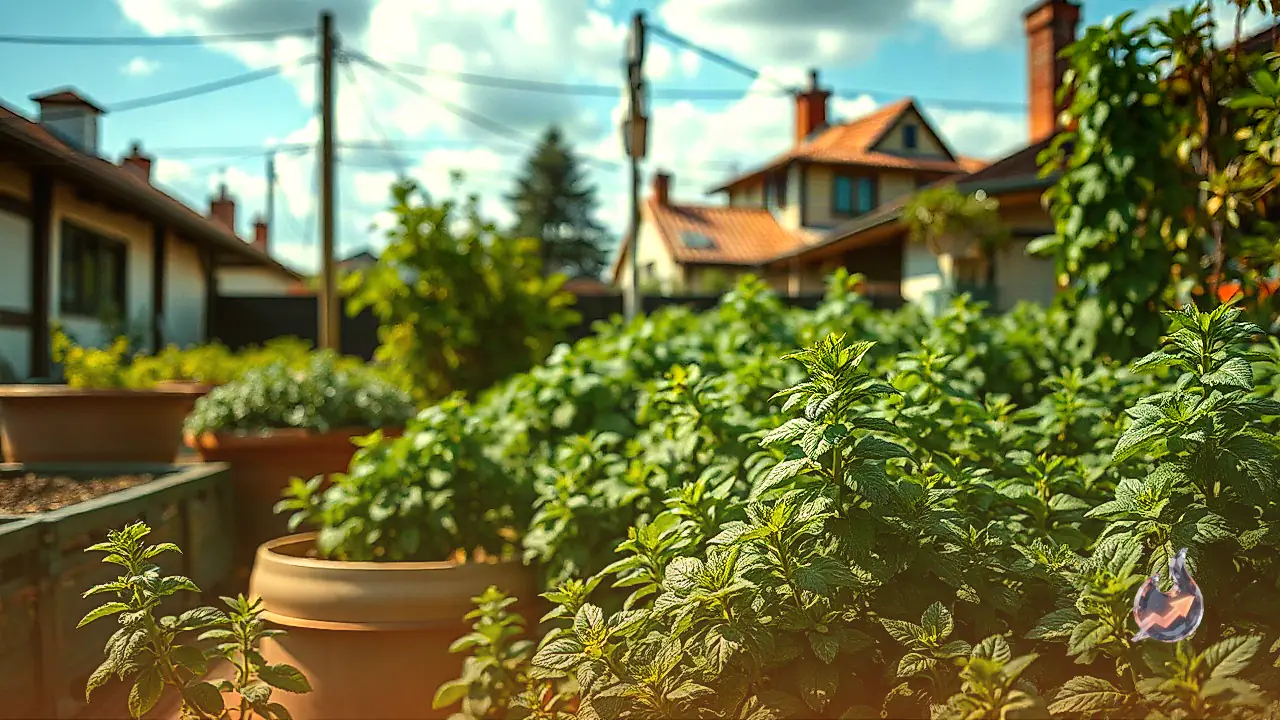
At its core, an edible corner serves as a harmonious fusion of balcony styling and a traditional kitchen garden. It does not require homeowners to discard their existing decorative plants. Instead, ornamental varieties can seamlessly share space with practical edible greens. For instance, alongside established foliage, one can introduce a pot or two of green chillies, coriander, or fresh mint.
This integrated arrangement keeps the balcony lush and inviting while offering the practical convenience of harvesting fresh produce right outside the door. Home cooks no longer need to depend entirely on market runs for routine garnishes; freshly plucked mint for chutney, fragrant coriander for seasoning, or crisp green chillies can be clipped instantly when preparing meals.
Maximizing Small Spaces With Vertical Elements
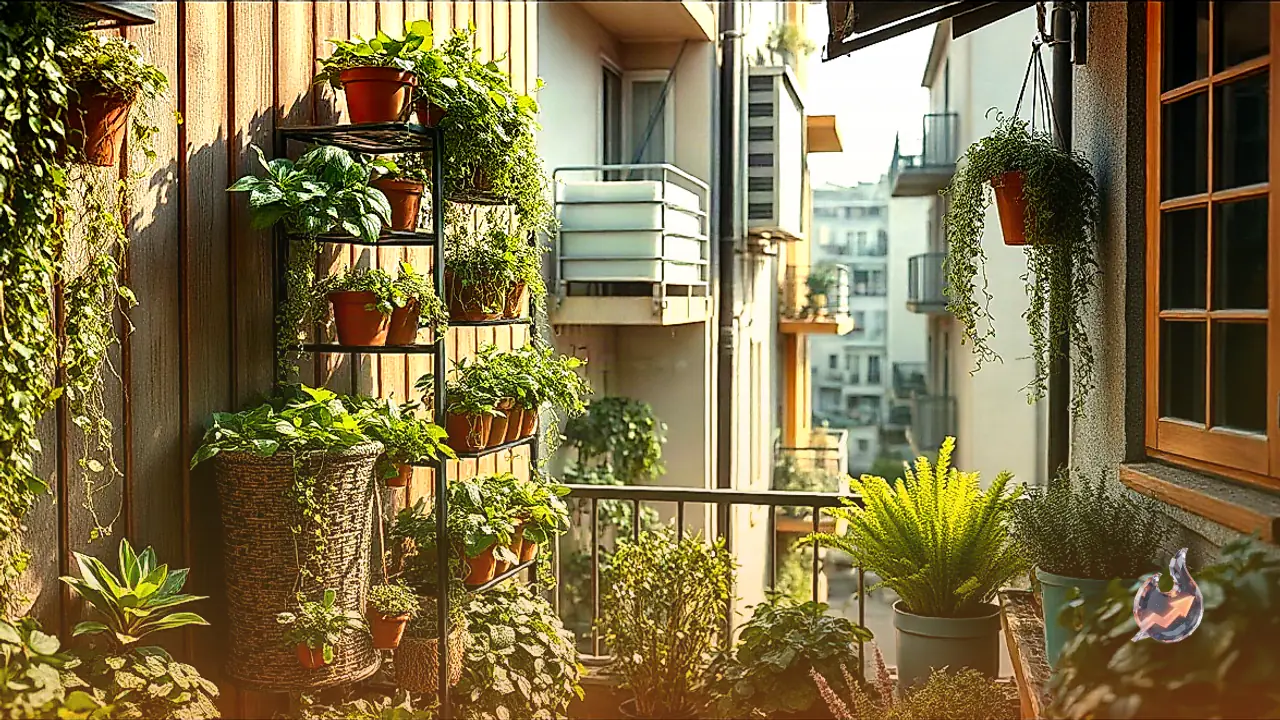
A sprawling outdoor terrace is by no means a prerequisite for building an edible corner. When ground space is constrained, crowding the floor with rows of planters makes the area cramped and inaccessible. The practical solution lies in utilizing vertical stands, railing-mounted planters, and hanging baskets suspended from ceilings or wall brackets.
By clearing the floor, homeowners preserve vital walking and standing room, making routine watering and sweeping straightforward. For a standard compact balcony, two or three medium containers paired with a handful of smaller pots can comfortably accommodate a generous herb selection. The key is to match plant varieties with the actual sunlight and ambient conditions available in that specific spot.
Selecting Everyday Kitchen Staples
The functionality of an edible corner hinges on picking species that see regular, daily use in the household kitchen. Plants such as coriander, mint, green chillies, and curry leaves are ideal starting choices because they thrive in containers and yield reliable harvests. Where sunlight and space allow for deeper containers, tomatoes and other compact vegetable varieties can also be introduced successfully.
Segregating individual herbs into dedicated small planters simplifies maintenance and enhances spatial organization. For example, a container of mint can sit tucked into an airy corner, while sun-loving coriander can take prime position near an open ledge or window. Such thoughtful placement prevents the setup from appearing chaotic and ensures that each variety receives the exact attention it needs.
Layering, Containers, and Proper Drainage
The visual charm of an edible corner is determined as much by placement and styling as it is by the healthy foliage itself. Using planters of varied heights or mounting them on tiered wooden steps introduces a dynamic layered effect that adds depth to the balcony. Blending classic terracotta containers, timber plant stands, and rustic hanging baskets creates a relaxed yet sophisticated look.
However, aesthetic choices should never overshadow the biological needs of the plants. Every specimen requires sufficient exposure to sunlight, regular moisture, and adequate room for root development. Equally vital is proper container drainage: stagnant water must never accumulate at the bottom of pots, as waterlogged soil quickly leads to root rot and weak plant growth.
Maintaining Balance and Open Living Space
A frequent pitfall among enthusiastic urban gardeners is overcrowding, which turns an otherwise peaceful balcony into an unmanageable jungle. An edible corner is not about cramming every available inch with soil and foliage. A curated selection of healthy, functional plants arranged with discipline offers far superior utility and beauty.
If the balcony includes a morning coffee chair or a compact side table, maintaining generous clearance around the seating zone is essential. Preserving open movement ensures that the space remains a relaxing outdoor retreat rather than a storage hurdle. By keeping utility and aesthetics in harmonious balance, an edible corner proves that even the smallest urban balcony can yield fresh flavors and enduring calm.