




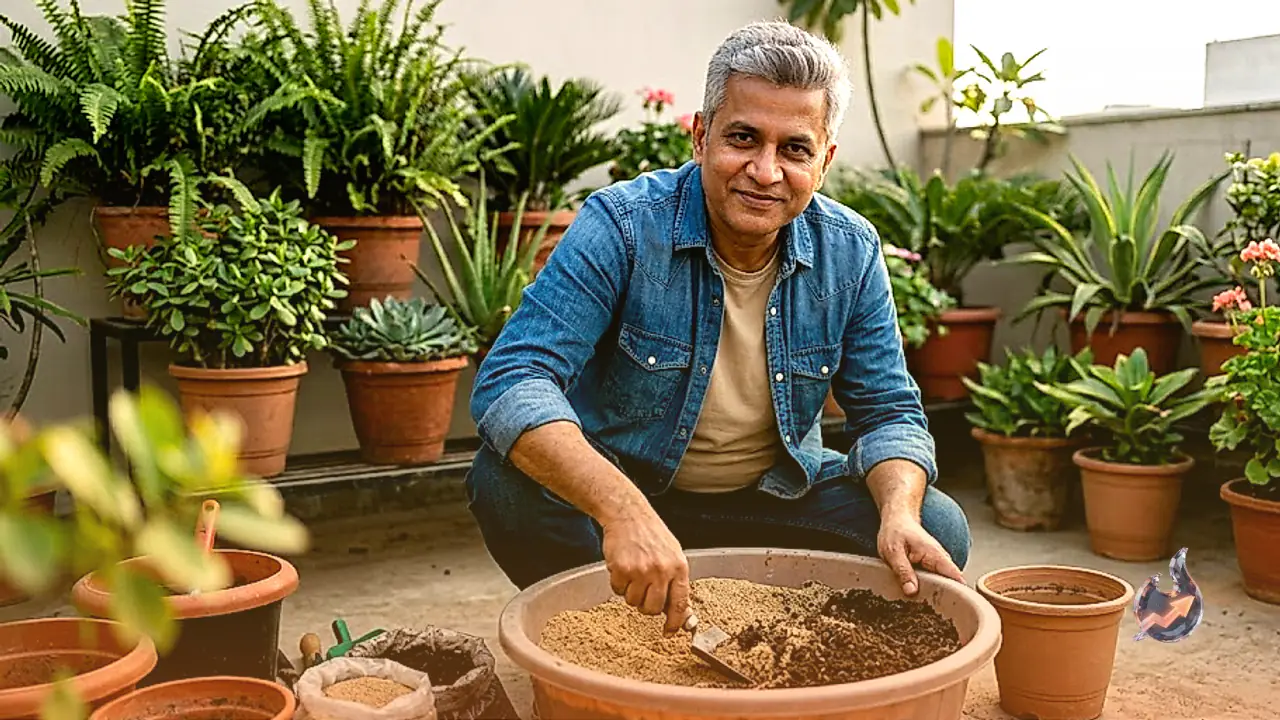




















The holy basil plant holds a special place in nearly every Indian household, valued both for its spiritual significance and for adding lush greenery to living spaces. However, shifts in weather patterns or a lack of proper maintenance can often lead to pest infestations. These issues frequently show up as curling leaves, drooping foliage, or visible bugs, making timely care and treatment absolutely essential to keep the greenery thriving.
Preparing an Effective Neem Oil Spray
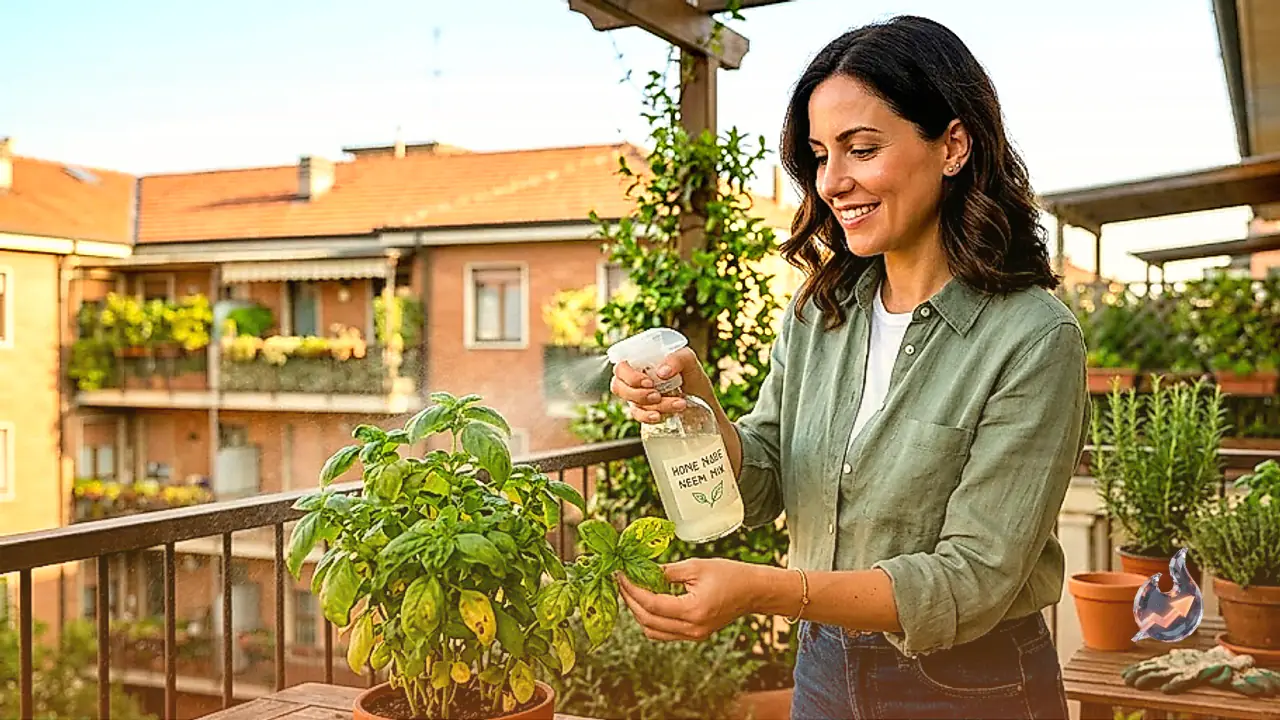
To get rid of small pests damaging a basil plant, a mild neem oil solution can be used effectively. Making this mixture requires mixing about one teaspoon of neem oil and a few drops of mild liquid soap or dish soap into one liter of water. Adding a small amount of soap ensures that the oil blends properly into the water instead of separating.
Once the ingredients are thoroughly mixed, the solution is poured into a spray bottle. Gardeners should gently mist both the upper and lower surfaces of the basil leaves. Special attention must be paid to the undersides of the leaves, as many tiny insects tend to hide there and feed on the plant.
Important Precautions Before Application
The spray should not be overused. Initially, depending on the condition of the plant, you can reapply it after a few days. Once the pest attack subsides, frequent spraying is no longer necessary. After preparing the neem oil mixture, it is always wise to test it on just one or two leaves first.
If any burn marks or discolored spots appear on the tested foliage, the application should be stopped immediately. Furthermore, people should avoid spraying the leaves during peak sunlight hours or in extreme heat.
Additional Steps for Healthy Plant Care
Relying solely on a spray will not completely resolve plant health issues. The basil plant should be kept in a spot where it receives adequate sunlight and fresh airflow. Water should not be allowed to accumulate in the pot soil, and watering must be done strictly according to the actual needs of the plant. Using clean scissors to trim away infected or badly damaged leaves is also highly beneficial for long-term growth.


