














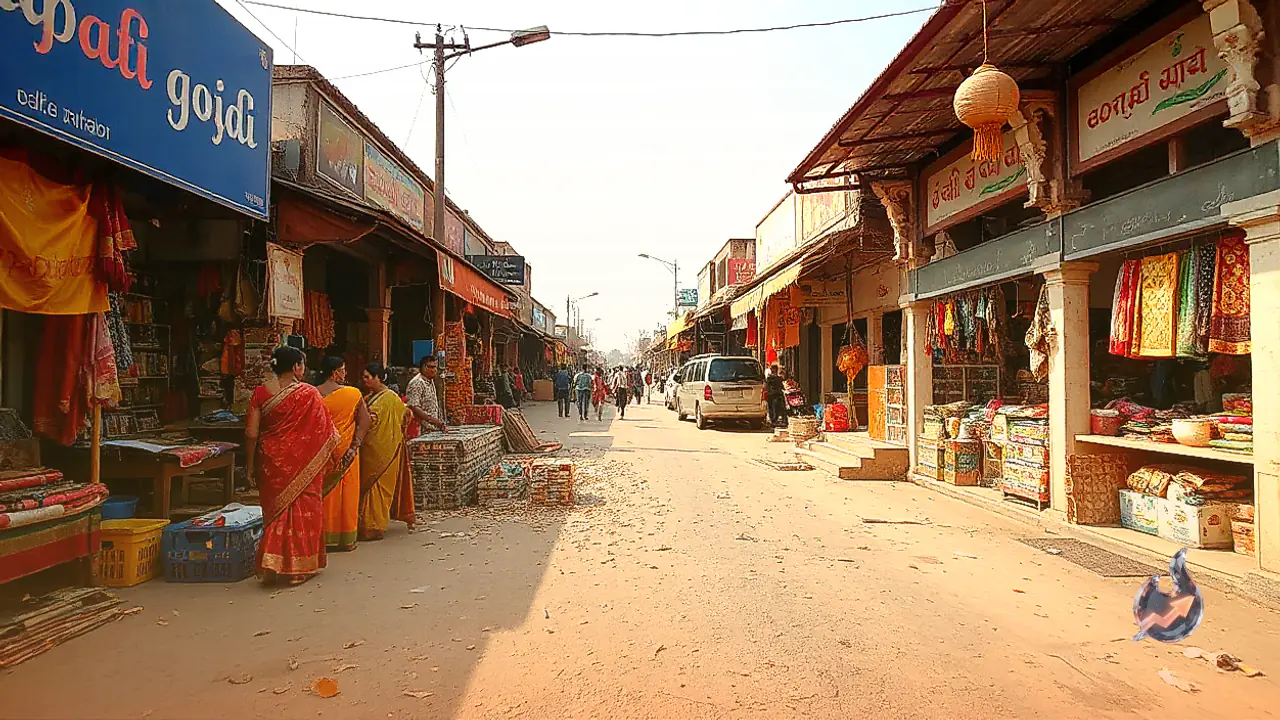

A remarkable resurgence in demand has energized the traditional handloom sector in Rajasthan ahead of Deepavali. The globally celebrated Kota Doria sarees, woven in the historic town of Kaithun, are witnessing massive interest from buyers across major Indian metropolitan centers as well as international markets. With festive shoppers leaning heavily toward authentic heritage textiles, local artisans have been handling a steady influx of direct purchases and digital orders. To ensure that every consignment reaches buyers on schedule, weaving households are running their looms at full stretch throughout the day and evening.
Intricate Craftsmanship and Months of Handloom Precision in Kaithun
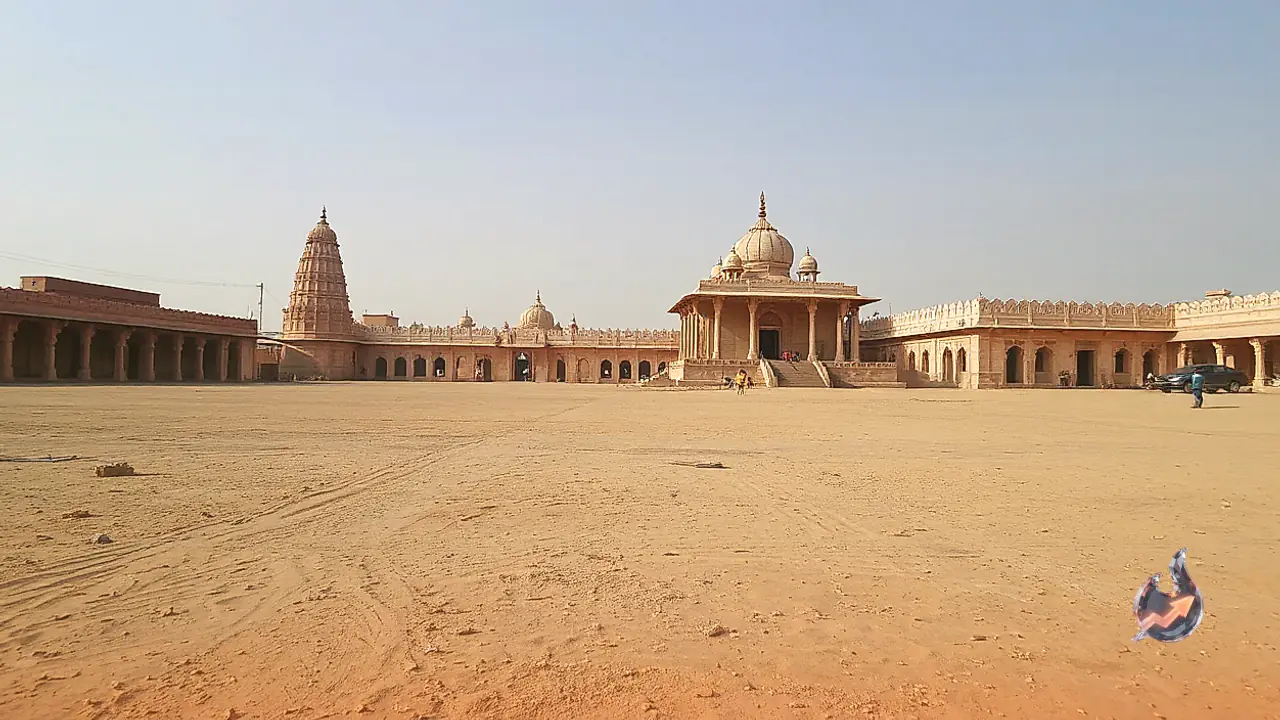
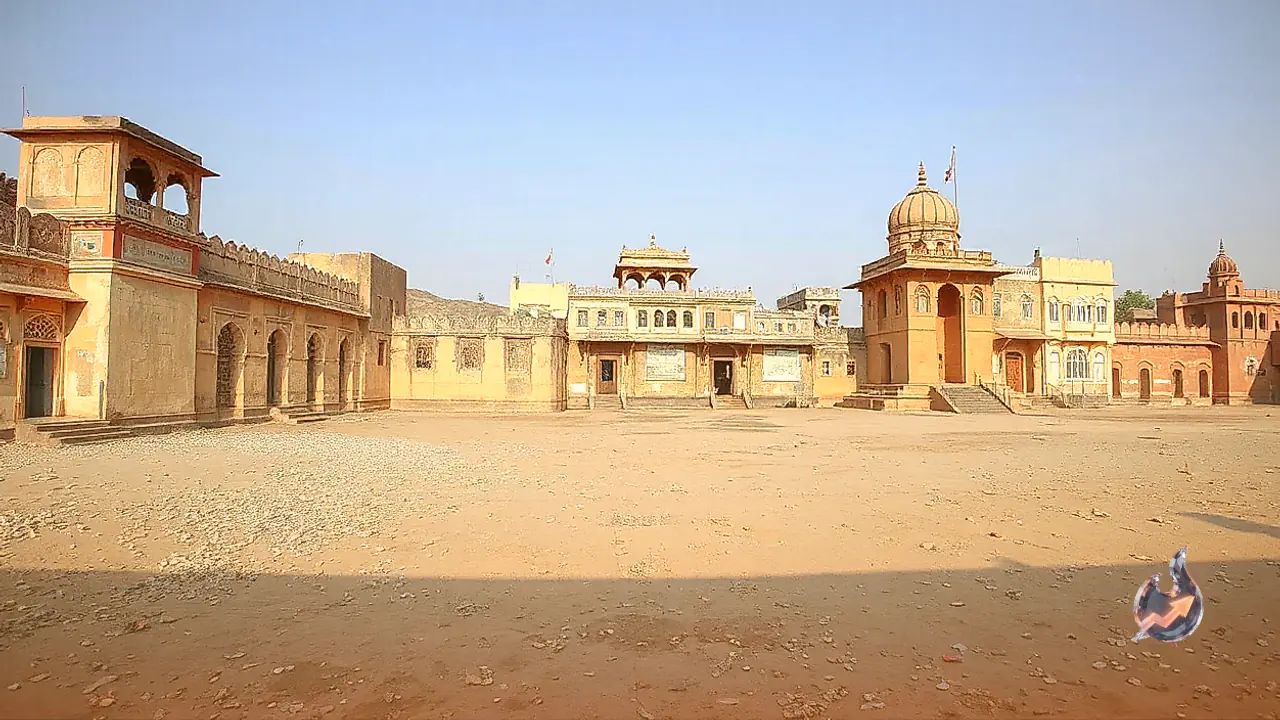
Situated approximately 15 kilometers outside the city of Kota, Kaithun stands as the undisputed heartland of the Kota Doria weaving tradition. Unlike mass-manufactured garments produced on mechanized industrial looms, each piece here represents an unhurried, meticulous effort driven purely by generational skill and individual mastery. Even a standard, unadorned Kota Doria saree requires anywhere between 15 and 20 days of steady labor to produce, while an ordinary designer variant demands 20 to 25 days of work on the pit loom.
The investment of time and human craft multiplies sharply when artisans craft royal bespoke pieces embellished with authentic zari woven from genuine gold and silver wire. Completing a single luxury creation of this caliber takes a full three months. Because the metallic threads demand extraordinary balance, precision, and tension management across the fabric grid, three to four master weavers work simultaneously on the same loom to execute the complex patterns.
The Unique Khat Check Weave and International GI Tag Status
The defining structural attribute of Kota Doria fabric lies in its remarkable featherlight quality and distinctive checkered weave, known locally as the 'khat' pattern. Crafted by interweaving fine cotton warp threads with delicate silk weft yarns, the resulting textile provides exceptional breathability alongside an understated natural sheen. The deliberate addition of pure gold and silver filaments elevates these handwoven fabrics into coveted collectors' items and wedding heirlooms.
Reflecting this intense artisanal labor and premium raw material cost, prices across the market range from a baseline of Rs 10,000 for standard weaves up to Rs 3 lakh for ornate bridal and royal editions. The customer base now extends well beyond domestic shoppers, with non-resident Indians and diaspora communities abroad sourcing their festival wardrobes directly from Kaithun through local relatives and cooperative channels. With a documented lineage extending back more than a century, this craft originally flourished under the royal patronage of the Kota princely state and subsequently earned legal authenticity through a recognized Geographical Indication (GI) Tag from the Government of India.
An Annual Turnover of Rs 70 to 80 Crore Across 9,000 Looms
The economic footprint of Kota Doria weaving spans an extensive rural belt. Approximately 6,000 handlooms operate within the town limits of Kaithun, supplemented by another 3,000 active looms spread across 12 surrounding villages. Working in concert, this integrated artisanal network produces between 400 and 500 finished sarees every single day.
The cumulative annual business generated by this handloom cluster is estimated at Rs 70 to 80 crore. The extensive booking volume recorded during the current holiday stretch has provided a substantial economic boost to thousands of weaving families, dyers, and allied craftspersons. As global demand broadens, Kota Doria continues to transcend its role as a regional costume, establishing itself as a premier symbol of Indian textile heritage and painstaking handmade excellence.