















The fatal shooting of 16-year-old Sevda during widespread protests near Tehran transformed her mother, Samira, from an ordinary cosmetics salesworker into a relentless opponent of the Iranian authorities. Today, living in hiding overseas, Samira spends her days documenting and publishing the names of security officers and officials she believes carried out lethal attacks against demonstrators. She maintains that she will not stop pursuing legal accountability for those who took her only child's life, even under direct threats of assassination.
Lethal Shootings Near the Iranian Capital Following Street Demonstrations
What began in late December as public anger over failing economic conditions quickly expanded across Iranian cities into widespread demands for the dismantling of the Islamic Republic. Demonstrations reached Tehran's outer districts, drawing tens of thousands into the streets. Samira notes that while she had never engaged in political activism before, her teenage daughter Sevda was deeply moved by the defiance of young Iranian women. In particular, Sevda drew inspiration from Mahsa Amini, who died in police custody following an arrest over mandatory hijab rules, and Nika Shakarami, who was killed in the subsequent crackdowns against compulsory Islamic dress codes. Sevda openly spoke of continuing their struggle.
As demonstrations swelled, Iranian authorities appeared to lose control over public squares, prompting an official shoot-to-kill order on the eve of the largest planned gatherings. Many citizens, including Samira, initially viewed the announcement as an intimidation tactic rather than a literal directive, believing the government frequently relied on bluffing to clear streets. Protesters were also somewhat emboldened by statements from international figures. On 8 January, US President Donald Trump stated in an interview with US media: "I have let them know that if they start killing people, which they tend to do during their riots… we're going to hit them very hard."
Despite those warnings, turnout appeared noticeably reduced on 9 January. Sevda, aware of the escalating danger, took her earrings off and handed them to her grandmother before leaving home, and shared her smartphone passcode with Samira. Once at the assembly point, Sevda climbed onto a roadside trash container and began leading the crowd in protest slogans. Large contingents of Basij militia and Islamic Revolutionary Guard Corps (IRGC) units quickly converged on the area, outnumbering the demonstrators.
Moments later, gunfire erupted from the rooftop of an adjacent building on their right. A sniper's bullet struck Sevda directly through the chest, piercing her heart. Samira recalls being paralyzed by shock as blood poured from her daughter's mouth and nose while Sevda's eyes remained fixed on her. Although bystanders helped transport the teenager to a nearby hospital, where medical staff claimed surgery was underway, staff soon opened the operating room doors to reveal Sevda's body already sealed inside a mortuary bag.
Morgue Searches and Coerced Official Testimonies
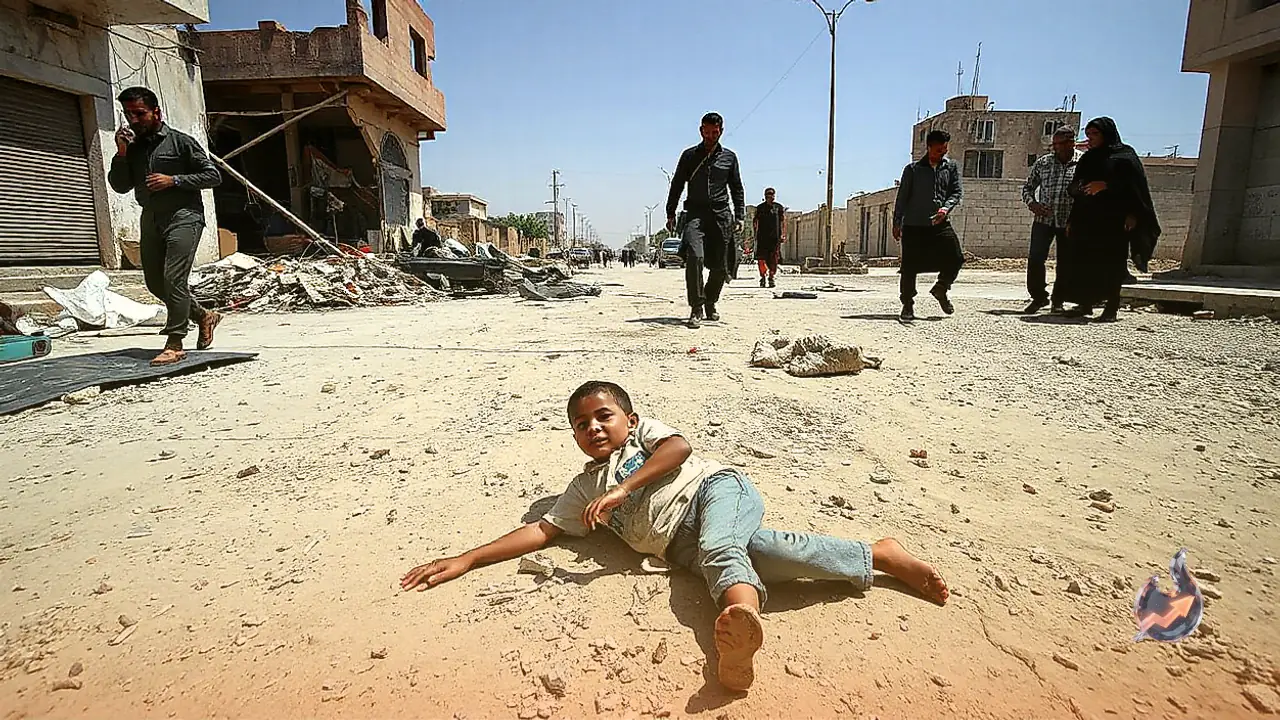
Security agents rapidly removed Sevda's remains from the hospital ward, forcing Samira to embark on a desperate search across Tehran's major morgues. The facilities were overwhelmed with rows of zippered bags containing deceased teenagers and young adults. After opening dozens of body bags over several days, Samira finally located Sevda placed beneath three other corpses.
The scale of the fatalities remains a point of deep contention. Official Iranian tallies acknowledge that over 3,000 individuals lost their lives during the unrest, asserting that security personnel were among the casualties. In sharp contrast, human rights organisation Hrana calculates that the death toll surpassed 7,000 people, the vast majority being unarmed demonstrators.
Securing the release of Sevda's remains required Samira to navigate severe coercive measures. Mortuary authorities demanded that she sign statements attributing her daughter's death to unnamed "terrorists" or foreign-backed agitators rather than state security forces. Samira explained that officials systematically forced grieving families to claim their relatives were slain by American or Israeli operatives in an effort to conceal the true death toll of 8 and 9 January. Even after burial, security personnel barred the family from setting up a headstone or visiting the grave.
Intelligence Summons, Mountain Escape, and Charges of Moharebeh
Tensions intensified ahead of the traditional 40-day memorial service, an essential observance in Iranian mourning customs. Officials from a local branch of the Ministry of Intelligence summoned Samira for questioning. They instructed her to appear on camera to claim that Sevda was actually an active Basiji member murdered by rioters. In exchange for this public statement, officials offered to declare Sevda an official state martyr and promised financial perks, including a government-provided house.
Believing the offer was driven by panic after she managed to brief a London-based Persian media outlet when internet connections briefly resumed, Samira refused to cooperate. Immediately following the conclusion of the 40th-day commemoration, she used smuggling networks to escape Iran on foot, traversing steep mountainous paths and rivers along the border. She recorded video messages during the trek, condemning the regime's brutality and harassment.
Her vocal opposition from abroad prompted Iranian prosecutors to try her in absentia, handing down multiple convictions including "moharebeh" (waging war against God), a capital offence carrying the death penalty. Meanwhile, security forces continued targeting her family inside Iran. When relatives gathered for a memorial on what would have been Sevda's 17th birthday, IRGC units raided the gathering, cut the live video feed Samira was viewing from exile, and arrested several attendees. Authorities subsequently threatened to exhume and relocate Sevda's body if relatives attempted further memorial gatherings.
Publishing Names Online and Facing Bounties in Exile
Operating from an undisclosed overseas location, Samira actively posts the identities, ranks, and photographs of security personnel and commanders she holds accountable for the fatal shootings during the early January crackdowns. Her stated objective is to ensure that these individuals are formally cataloged so they can eventually face prosecution in international or domestic courts.
Her naming campaign has made her a target. After an individual she identified online was subsequently found dead, a regime loyalist publicly offered a $5,000 (approximately £3,732) bounty for information leading to Samira's location, alleging her involvement. Iranian state outlets subsequently announced the arrest of nine people connected to that man's death.
These human tragedies unfolded against a backdrop of escalating geopolitical warfare, culminating in extensive air strikes launched by the United States and Israel across Iranian territory, which resulted in the death of Supreme Leader Ayatollah Ali Khamenei. In response to accusations surrounding the internal crackdown, the Iranian embassy in London stated that legitimate, peaceful civic protests had been co-opted by hostile foreign powers, specifically the US, which provided weaponry, incited street violence, and undermined sovereign security. For Samira, the memory of her daughter continues to fuel her campaign, asserting that witnessing morgues filled with young victims has left her committed to fighting the Islamic Republic indefinitely.