




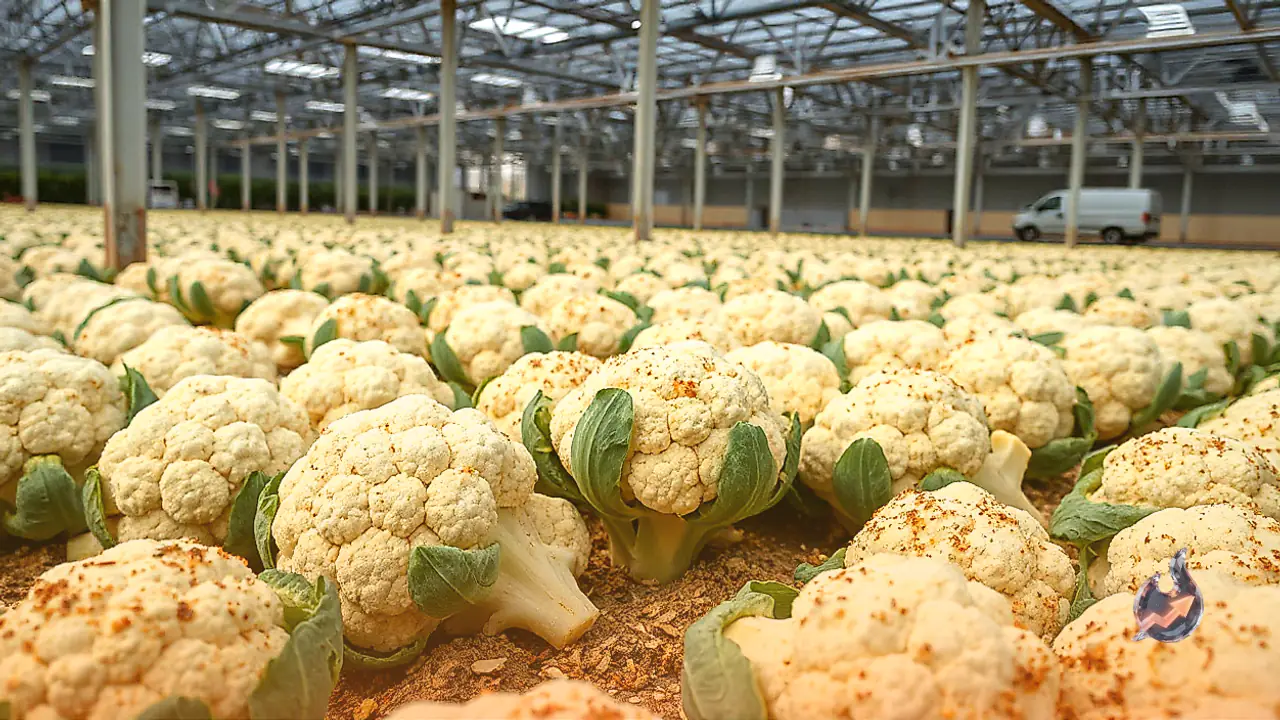















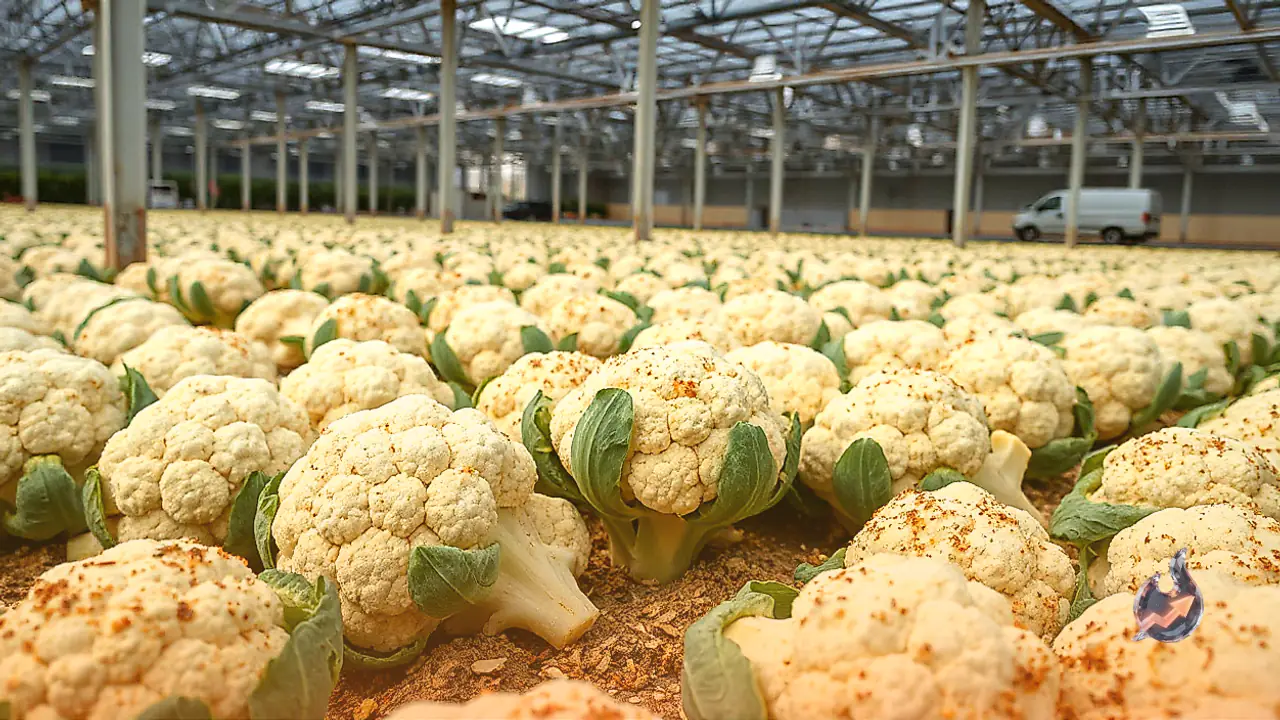

Cauliflower is a highly nutritious and versatile vegetable widely used in Indian households to prepare flatbreads, curries, fritters, and various other delicious dishes. During the winter season, the demand for this popular vegetable surges significantly as people incorporate it into their daily meals. However, due to the dense clustering of its florets, soil particles, tiny insects, and their eggs often remain hidden deep within the layers. If the vegetable is not sanitized and cleaned properly before cooking, it can pose potential risks to human health. Therefore, undertaking a thorough cleaning process before putting cauliflower on the stove is an absolute necessity to prevent any foodborne issues.
Begin by Removing Outer Leaves
The cleaning process should always start by completely discarding the tough outer leaves surrounding the head of the cauliflower. These exterior surfaces and leaves typically accumulate the highest concentration of dust, soil, and leftover pesticide residues from farming. Furthermore, if any leaf appears yellowish or shows signs of damage or decay, it should be trimmed away immediately. This preliminary step exposes the main vegetable and makes subsequent handling and washing much more manageable.
Cut into Smaller Florets for Inspection
Instead of washing the entire head of cauliflower as a single piece, it is far more effective to chop it into smaller florets beforehand. Dividing the vegetable allows hidden dirt and insects trapped within the inner folds to become easily visible. Compared to larger chunks, these smaller pieces come into better contact with water and can be cleaned with significantly higher precision. Performing this step properly ensures that no hidden impurities remain tucked away inside the dense structure.
Soaking in Salt Water Solution
To draw out unwanted pests and microscopic debris from the vegetable, fill a large container with water and dissolve 1 to 2 spoonfuls of salt into it. Submerge the chopped cauliflower pieces inside this saline solution and let them soak for roughly 15 to 20 minutes. The saltwater environment acts effectively to agitate hidden insects, forcing them out while loosening embedded dirt particles. This traditional home remedy serves as a reliable first line of defense in kitchen hygiene.
Utilizing Turmeric Water for Hygiene
Turmeric water can also be employed as an alternative or supplementary method for deep cleaning cauliflower pieces. Take lukewarm water in a suitable vessel and mix half a spoonful of turmeric powder into it thoroughly. Keep the cauliflower submerged in this specialized water for about 10 to 15 minutes before cooking. Turmeric naturally possesses potent antibacterial properties that help neutralize harmful microbes and keep the vegetable thoroughly sanitized.
Final Rinsing Under Running Water
After soaking the cauliflower florets in salt, turmeric, or any other cleaning solution, it is vital to rinse them 2 to 3 times under clean, running tap water. This step ensures that all traces of salt, turmeric residue, and loosened grime are completely washed away from the surface. While rinsing, gently agitating each individual piece by hand helps achieve a more thorough and satisfactory cleaning result.
Vinegar Rinsing and Essential Precautions
If chemical pesticide residues are a major concern, mixing two large spoonfuls of white vinegar into one liter of water allows for a 10-minute soaking period before a final clean water rinse. Furthermore, never leave cauliflower wet for extended periods after washing; drain the excess moisture immediately and cook it or spread it on a dry cloth to preserve its crisp texture and freshness. Avoid using excessively hot water during the wash, as it can make the vegetable overly soft and mushy. Always purchase firm and fresh heads of cauliflower, and discard any questionable or spoiled sections after the washing process is complete.