





















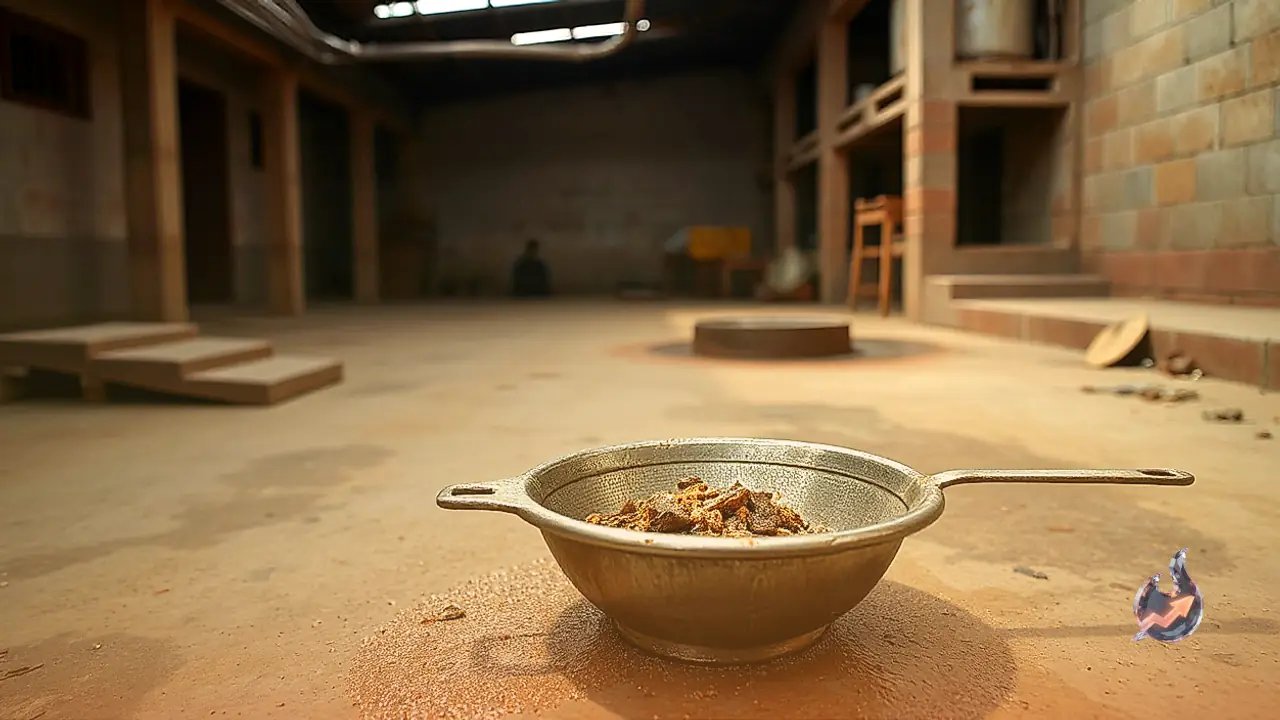

The festival of Karwa Chauth holds immense significance for married women, with meticulous attention paid to attire, ornaments, and ritual items alike. Among all the elements used during the evening prayers, the traditional sieve utilized for sighting the moon is considered the most crucial. Frequently left unattended in a corner throughout the year or exposed to kitchen moisture, these sieves often accumulate stubborn rust, dust, and grime. Many people mistakenly assume the tool has reached the end of its life and rush to purchase a brand-new replacement from the market. However, there is no need to panic because your kitchen already contains several household items capable of making your old sieve shine like new within minutes. Let us explore some extremely simple and effective home remedies to eradicate rust and tarnished marks completely.
Clean Accumulated Grime Using Baking Soda
If your sieve is covered in layers of dust and aged dirt, baking soda can come to your rescue. Take a small amount of baking soda in a bowl and mix sufficient water to create a thick paste. Apply this mixture directly over the soiled areas of the sieve and let it sit undisturbed for ten to fifteen minutes. Afterward, scrub the surface gently using an old, soft toothbrush in circular motions. Finally, rinse the utensil thoroughly with clean water and dry it completely with a soft cloth. Keep in mind that if the sieve features painted designs or decorative coatings, you should test this method on a tiny concealed spot first.
Remove Rust Spots With Lemon and Salt
When dealing with light rust marks on an iron sieve, a combination of lemon and salt proves remarkably helpful. The natural acid present in lemon juice assists in loosening stubborn oxidation from metal surfaces. Squeeze a little lemon juice directly onto the rusted patches and sprinkle a pinch of table salt over it. Leave the mixture for a brief duration before scrubbing gently with a soft brush. Rinse the sieve thoroughly afterward and dry it immediately to prevent further damage. Nevertheless, this technique does not yield uniform results on every metal type or coating. If the corrosion is severe or the metal is flaking, avoid using it altogether.
Wash Effectively Using Dishwash Liquid
On many occasions, the problem on the sieve is not rust at all, but rather accumulated dust, cooking oil, or natural skin oils from handling. In such situations, standard dishwashing liquid is more than sufficient. Mix a small quantity of dish soap into lukewarm water and wipe down the sieve using a soft sponge. Pay close attention to the corners and rims of the mesh where debris tends to hide easily. If the sieve is adorned with decorative pearls, fabric trims, or lace, avoid soaking it in water for extended periods to prevent ruining the embellishments.
Clean the Mesh Corners With an Old Toothbrush
Reaching into the intricate spaces of the mesh to extract trapped dirt can sometimes prove quite challenging. To tackle this, employ a clean, soft, and previously used toothbrush for precision cleaning. Lightly dampen the bristles and run them gently across both sides of the wire mesh. Avoid applying excessive pressure while scrubbing, as harsh force can warp the delicate wire structure or ruin its polished finish.
Keep Your Sieve Radiant After Cleaning
Once the cleaning process concludes, do not simply wipe the sieve with a cloth and place it directly back into storage. First, inspect the mesh and rims carefully to ensure no residual moisture remains trapped anywhere. Thoroughly drying iron sieves is particularly vital, because remaining dampness can easily invite rust back onto the metal. Store the item in a dry location and wrap it inside a clean piece of cloth if necessary to preserve its shine for future use.