























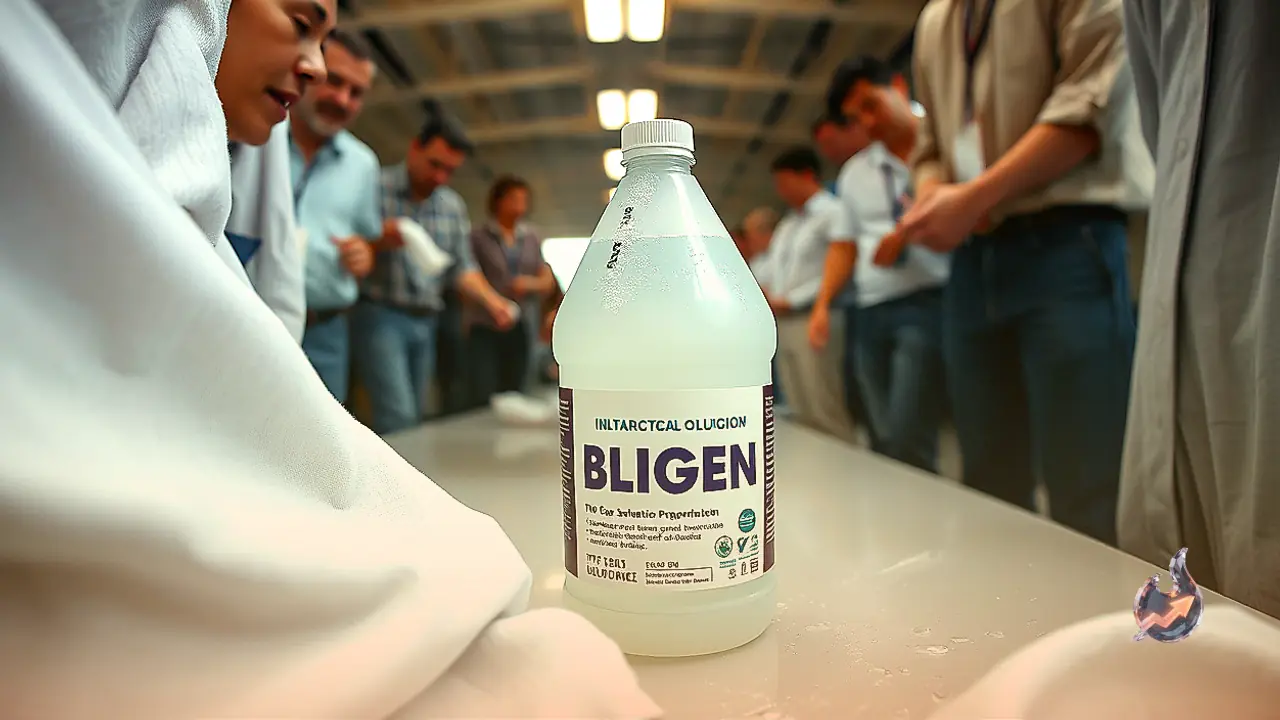

White garments convey an undeniable sense of neatness and style, yet maintaining their pristine condition becomes remarkably difficult once accidental blemishes appear. Everyday spills from tea, coffee, food, or lingering perspiration can deeply settle into textile weaves, ruining the original luster of the fabric. Many individuals instantly reach for conventional chlorine bleach when faced with tough marks, unaware that such harsh agents can easily degrade sensitive fibers. Preparing an oxygen bleach solution provides a much milder, fabric-friendly approach to revive yellowed or spotted white attire without causing premature wear.
Understanding Oxygen Bleach and Its Mechanism
Oxygen bleach operates through a fundamentally distinct chemical process compared to traditional chlorine formulations. It contains specialized compounds that interact with water molecules to steadily release oxygen, which works beneath the surface to break down grime and loosen stubborn pigments. While highly regarded for brightening whites, it can also be safely applied to certain colorfast garments to lift embedded blemishes. However, universal safety across every textile category is never guaranteed. Reviewing the manufacturer garment care label alongside packaging guidelines remains an indispensable preliminary step before initiating any treatment.
Preparing the Optimal Soaking Solution
To begin the restoration process, collect a clean bucket or a sufficiently large basin filled with fresh water. Add the exact measurement of oxygen bleach prescribed on the commercial package instructions, avoiding guesswork entirely. Because chemical concentrations vary significantly across different brands, adding excess powder or liquid under the assumption of better results can actually compromise the textile. Stir the mixture thoroughly until the cleaning agent dissolves completely into the liquid. Once fully blended, immerse the stained white garments into the solution and allow them to soak for the exact duration recommended by the product maker.
Rinsing Steps and Handling Persistent Marks
After the designated soaking interval elapses, remove the garment from the basin and gently work the affected area using your fingertips or a soft touch. Rubbing aggressively should be avoided, as rough friction can easily snap delicate yarn threads. Rinse the fabric thoroughly in clean water to wash away all chemical traces, followed by your standard machine or hand wash routine using everyday laundry detergent. If dealing with deeply aged, set-in marks, the discoloration may not vanish completely on the initial pass. In such cases, repeating the entire soaking and rinsing sequence according to fabric tolerance and packaging directions remains an effective recourse.
Critical Precautions for Fabric Safety
Safely handling oxygen bleach requires strict adherence to basic domestic chemical rules. Never combine this substance with other household cleaning compounds on your own accord. Mixing it with chlorine bleach, ammonia, or other aggressive chemical reagents must be strictly avoided to prevent unsafe reactions. Conducting a spot test on an unexposed seam or hidden hem ensures the dye and weave tolerate the solution before full immersion. Avoid treating delicate natural fibers such as silk or wool unless the care label expressly permits oxygen-based formulations. Finally, ensure the container stays far out of reach of children, and wash hands thoroughly with soap after finishing laundry chores.