























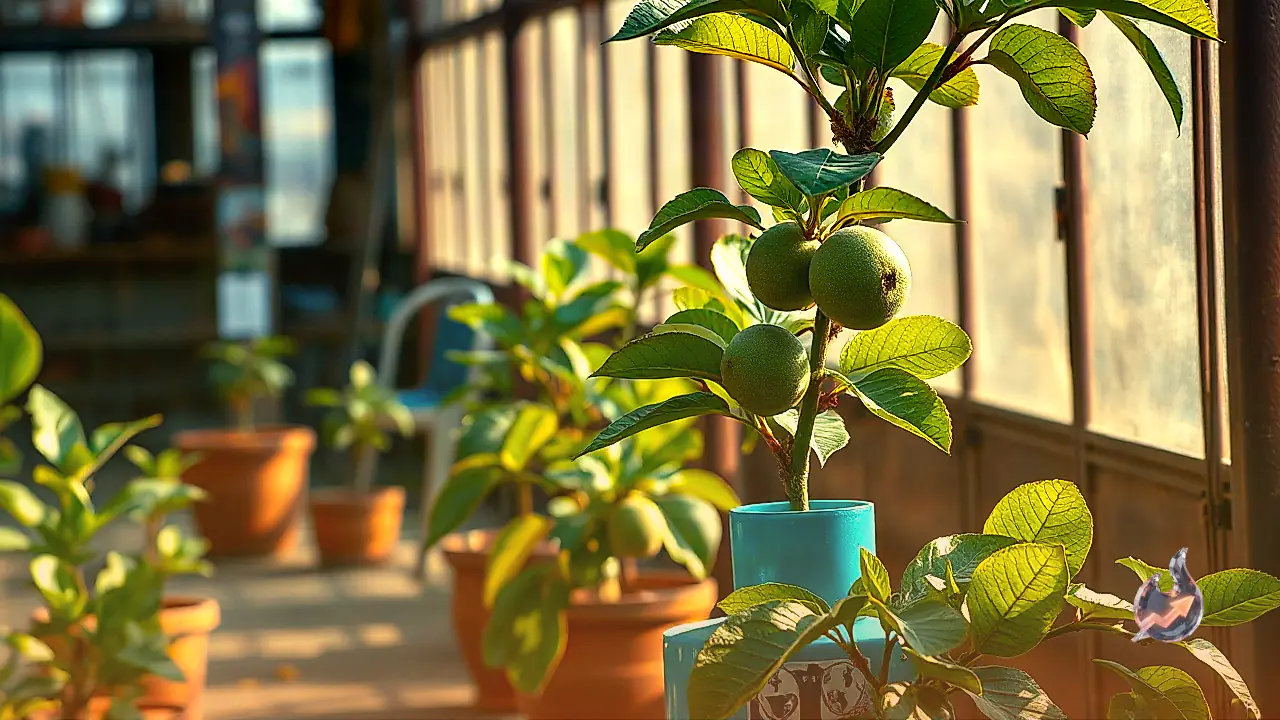

Guava is widely celebrated as a nutritional powerhouse, packed with high levels of Vitamin C, dietary fiber, and essential potassium. Consuming fresh guava helps boost digestive wellness. Furthermore, consuming raw guava leaves or drinking a herbal decoction made from them helps regulate blood sugar levels, digestive ailments, and cholesterol levels. The best part about cultivating this beneficial plant is that it does not require an expansive garden or agricultural farm. Home gardeners can easily grow guava in containers on rooftops or balconies. Guava can be planted twice a year, with the optimal planting windows falling between July to August and February to March. Although growing potted guava seems straightforward, achieving a heavy yield requires precise knowledge of soil management, pruning, and organic feeding. Without proper care techniques, the plant may remain lush and green without producing any fruit.
Nutritional Benefits and Selecting the Right Guava Variety
Choosing the correct sapling from the nursery is the first critical step when starting container guava gardening. To ensure early fruiting, always purchase a grafted or perennial plant rather than a seed-grown specimen. Seed-propagated guava trees can take years to bear fruit, whereas grafted saplings fruit in a fraction of that time. When shopping at a nursery, select a plant that already displays tiny blossoms or developing fruit. A fruiting sapling serves as clear evidence of grafting, guaranteeing that the tree will produce fruit quickly in your home environment.
Several high-yielding guava varieties thrive in pot environments. For abundant harvests, ask nursery sellers for varieties such as Allahabad Safeda, Lucknow 49 (also known as Sardar), Chinese Guava, Punjab Pink, or Taiwan Pink. These varieties are well suited for container gardening due to their compact growth habits and rapid fruit production. After bringing a sapling home, avoid repotting it into a container immediately. Keep the new plant nestled alongside existing potted plants for three to four days. Nursery plants grow under protective green shade netting, so placing them directly into open rooftop conditions can cause transplant shock. Allowing them a brief adjustment period helps them acclimate to your home's ambient temperature and microclimate.
Choosing the Appropriate Container and Ideal Soil Preparation
Guava plants develop strong, deep root systems that expand rapidly. Selecting a container of adequate dimensions is vital for preventing root restriction. Use a pot or heavy-duty grow bag measuring at least 18x18 inches. Planting guava in smaller containers restricts root expansion and stunts overall plant development. Additionally, ensure that the pot features functional drainage holes at the base to prevent waterlogging, which can lead to root rot.
Preparing a nutrient-dense potting soil mix before planting is essential. Create a balanced blend consisting of 30% standard fertile garden soil, 40% well-rotted cow dung manure or vermicompost (approximately 1 kilogram), and 30% coarse sand, river sand, or cocopeat to maintain light, well-draining soil texture. Incorporate 300 grams of calcium powder into the soil mixture to promote root development and structural strength. To protect the sapling from fungal pathogens and soil-borne insects, mix in 300 grams of neem cake (neem khali) and 200 grams of mustard cake (mustard khali). Mustard cake supplies slow-release nitrogen and vital micronutrients, while neem cake provides natural insect resistance.
Acclimatization, Initial Care, and Sunlight Requirements
Place the sapling in the center of the container and fill it securely with the prepared potting mix. Immediately after repotting, water the container thoroughly to settle the soil and remove internal air pockets. For the first four to five days, keep the newly potted plant in a sheltered spot away from direct midday sunlight. Because nursery plants are accustomed to shaded environments, giving them four to five days to adapt prevents foliage wilt.
Once the sapling has settled in its container for a full week, relocate it to an outdoor spot on your roof or balcony that receives six to eight hours of direct daily sunlight. Guava is a light-loving fruit crop that demands strong solar radiation. If kept in partial shade, the plant may grow green leaves, but photosynthesis will be insufficient to support flower bud differentiation and fruit setting.
Routine Soil Hoeing, Pruning, and Pest Management
As a heavy-feeding fruit crop, potted guava demands consistent upkeep to remain healthy. Perform shallow soil hoeing or weeding every 15 to 20 days. Hoeing aerates the upper soil layer, improving root oxygenation and nutrient absorption. During routine maintenance, prune away older leaves located near the bottom of the plant. Harmful insects frequently lay eggs on the undersides of lower foliage, leading to secondary pest outbreaks. To safeguard the tree against insect damage, spray the foliage with a neem oil solution once a month.
Guava trees possess both male and female flower structures on the same plant. Natural cross-pollination generally occurs via wind currents and beneficial insects on open rooftops. However, if a single guava plant is isolated without surrounding vegetation, pollination efficiency may drop, leading to reduced fruit set. When watering, apply water deeply until excess drains from the bottom, preferably early in the morning. If growth stalls or leaves develop discolored spots, pluck off affected leaves immediately and dispose of them far from the garden by burying them in soil or burning them. Practice periodic light pruning of dry branches to encourage lateral branching and bushier growth. Reapply vermicompost or rotted cow dung manure every 15 to 20 days to keep soil fertility high.
Homemade Organic Fertilizers for Foliage and Heavy Blooming
Several simple kitchen remedies can boost guava immunity and encourage abundant flower bud formation. Save the runoff water from washing kitchen rice and pour it directly into the pot soil. Starch and trace minerals in rice water strengthen root activity. Banana peels offer another excellent source of natural potash fertilizer. Chop fresh banana peels into small pieces and soak them in water for two to three days. The resulting liquid is rich in potassium, which stimulates heavy flower initiation and strengthens bloom stems.
Fresh spent tea leaves or coffee grounds can also be worked into the soil to maintain optimal soil pH levels. For a combined commercial and organic booster, mix potash granules with one teaspoon of Epsom salt. Epsom salt serves as a rich source of magnesium, enhancing chlorophyll production, leaf shine, and plant immunity. Small amounts of hydrated lime (calcium hydroxide) can also be added to supply extra calcium. Alternate these natural feeding remedies every 20 days to ensure the plant receives a comprehensive spectrum of nutrients.
Preventing Flower Drop and Enhancing Guava Fruit Size
A common obstacle faced by urban fruit growers is premature flower drop, where guava blossoms dry up and shed before setting fruit. Sour buttermilk (chaach or mattha) offers an effective organic solution to this issue. Take sour buttermilk that has aged for five to six days; higher acidity yields better results. Strain the buttermilk thoroughly through a fine cloth to remove fat residues. Mix 100 grams of strained sour buttermilk with half a liter (0.5 liter) of water, and spray it over the foliage and flower clusters once a week. The lactic acid and beneficial microbes in sour buttermilk prevent blossom drop and shield the plant from fungal diseases.
To revitalize soil microflora, prepare a nutrient-rich organic soil drench. Dissolve 50 grams of jaggery in half a liter of water for a single pot, then mix in 40 grams of gram flour (besan) to form a uniform liquid. Before pouring this mixture, hoe the container soil lightly. Ensure that the pot soil is dry rather than waterlogged when applying this drench. The combination of jaggery and gram flour rapidly multiplies beneficial soil microorganisms, accelerating nutrient breakdown. Finally, once young fruits have successfully set, apply Biozyme to boost fruit expansion and development. Following these comprehensive care guidelines ensures a heavy harvest of fresh guavas year after year.