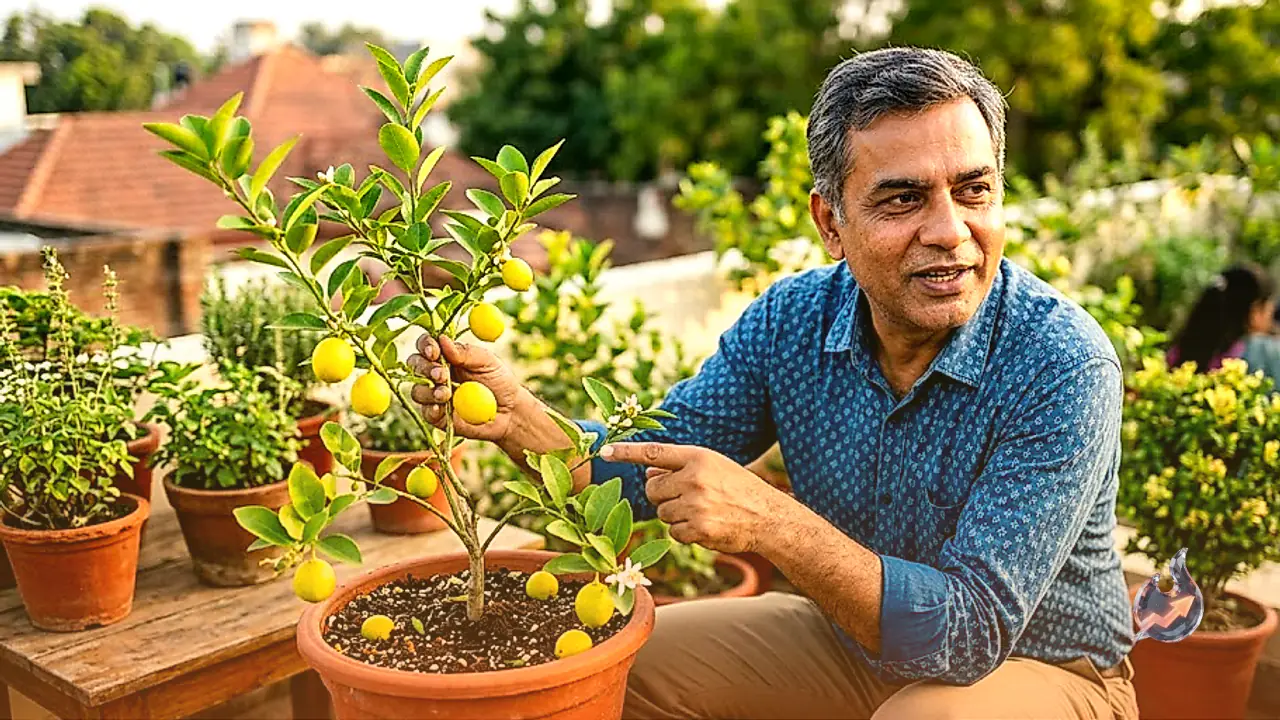






















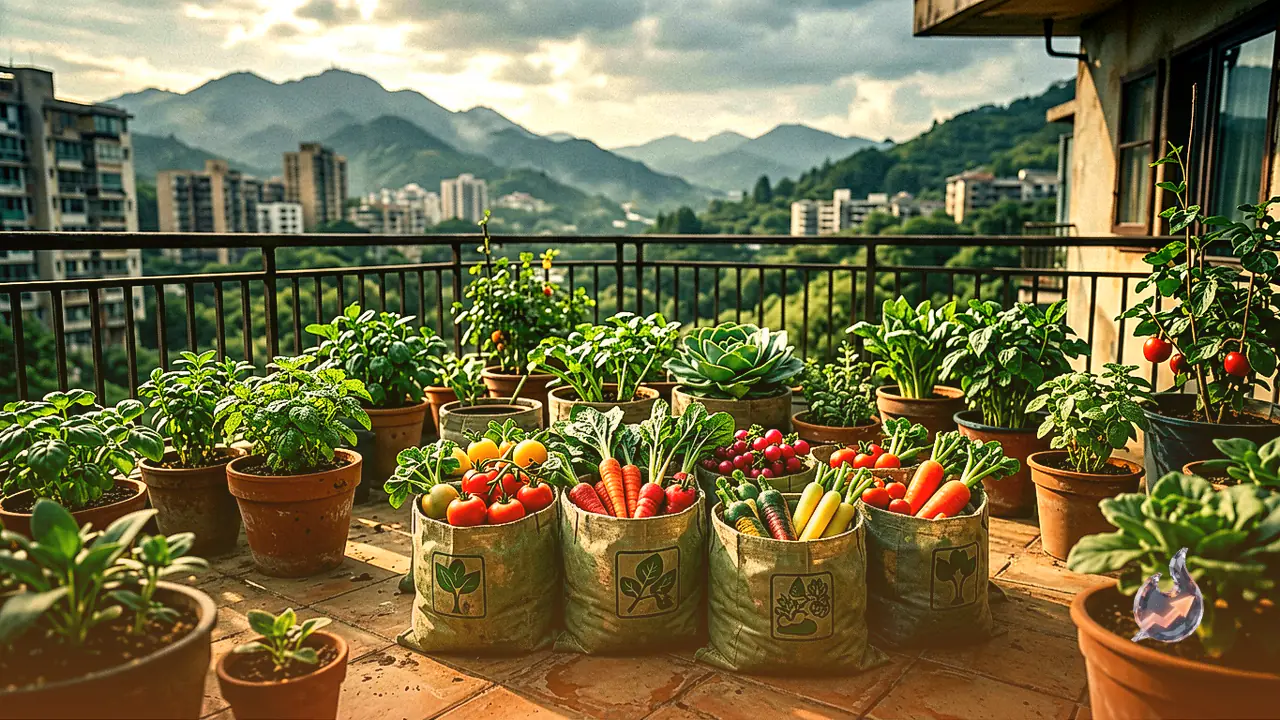

The monsoon season is widely considered the best time of the year to start a home kitchen garden. By utilizing any empty space on a rooftop, balcony, or a small corner, you can place pots and grow bags to cultivate vegetables with ease. This not only brings a refreshing touch of green around the house but also provides fresh, daily-use vegetables right at your doorstep. Engaging in this kind of gardening reduces dependency on the local market and lets you enjoy the unmatched taste of homegrown produce.
Easy Vegetables to Grow for Beginners
During this damp season, vegetables like spinach, fenugreek, ridge gourd, coriander, green chilies, and various leafy greens can be effortlessly grown at home. These plants do not require massive amounts of space and can thrive even in modest containers. For individuals who are just starting out with gardening, these plants serve as extremely simple and rewarding options. Their upkeep is generally straightforward and manageable.
Managing Larger Pots and Plants
If you happen to have a little extra space on your terrace, you can also plant tomatoes, ridge gourds, bottle gourds, and green chilies. For these varieties, it is important to select pots or grow bags that feature drainage holes at the bottom to prevent waterlogging. Tomatoes, in particular, often require structural support as they grow taller, so providing a wooden stick or stake helps keep the plant upright and sturdy.
Herbs and Spices for Compact Spaces
Essentials like coriander, mint, green chilies, and ginger can be cultivated successfully even in very tight areas. For coriander, using a wide container is ideal, and the seeds should be sown at a shallow depth in the soil. Mint is best planted in a separate, dedicated pot because it tends to spread rapidly and can crowd out other plants if left unmanaged.
Preparing the Right Soil Mixture
When filling your pots, mix standard garden soil with well-rotted organic manure or high-quality compost. The soil composition must never be overly dense or heavy, ensuring that air and moisture can easily reach the root system of the growing plants. Additionally, maintaining proper drainage infrastructure within every pot is absolutely crucial to prevent stagnant water.
Sowing Seeds and Maintaining Spacing
Vegetable seeds should be sown at a moderate, shallow depth according to specific plant requirements, followed by light watering during the initial stages. Dropping too many seeds densely in a single spot prevents individual plants from getting enough room to expand. Once the seedlings grow a bit larger, thinning them out and maintaining proper physical distance between them is essential for healthy development.
Protecting Plants from Excess Rain
During rainy spells, the most critical rule is to ensure that water does not accumulate inside the pots. In the event of continuous rainfall, excess water must be drained away promptly, and over-watering should be strictly avoided. Stagnant water sitting in the containers raises the risk of root rot and makes the plants much more susceptible to fungal diseases.
Sunlight, Maintenance, and Pest Control
Keep your vegetable containers in a location where they receive adequate natural sunlight throughout the day. Routinely inspect the plants, remove any dried or yellowing leaves, and act immediately if you notice signs of pests or plant diseases. Consistent application of organic fertilizers according to seasonal needs will help maintain robust plant growth and a healthy yield.
Benefits of Having a Kitchen Garden
Setting up a kitchen garden on your rooftop or balcony allows you to harvest several everyday vegetables right where you live. This practice drastically cuts down the recurring expense of buying small batches of produce from commercial markets. Above all, relishing fresh, chemical-free vegetables harvested with your own hands brings a distinct sense of satisfaction and better nutrition.