
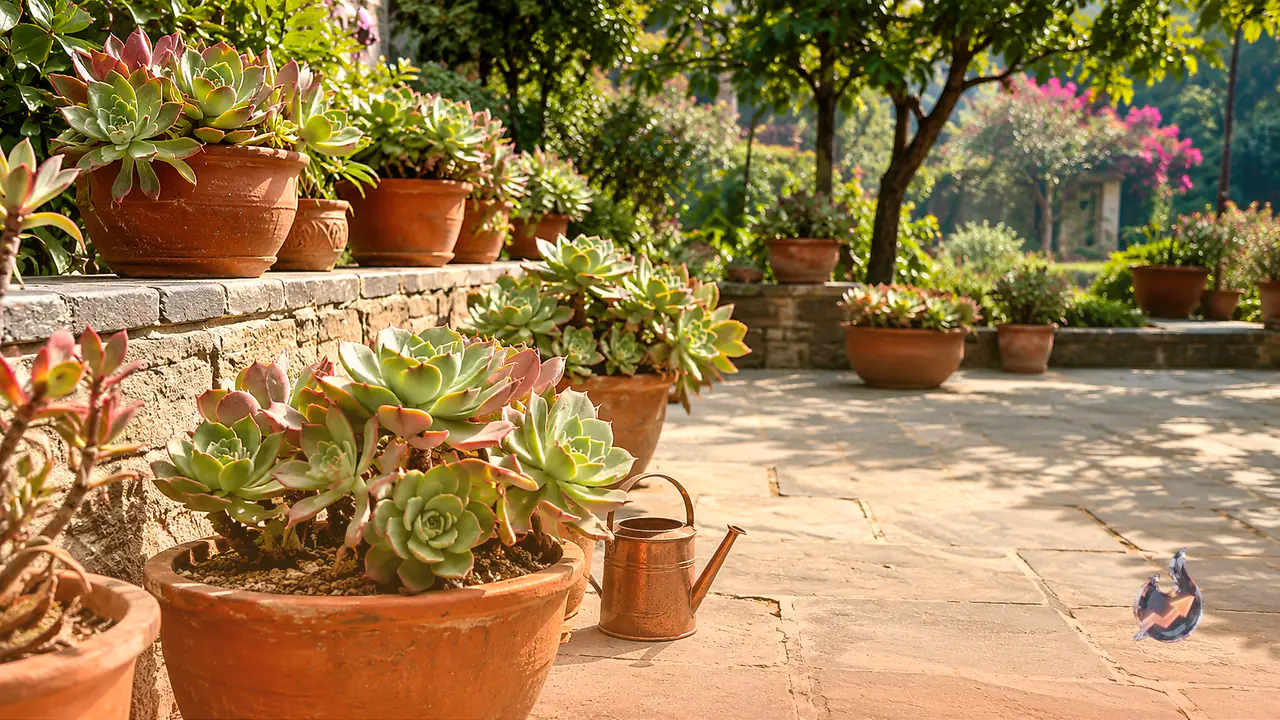


















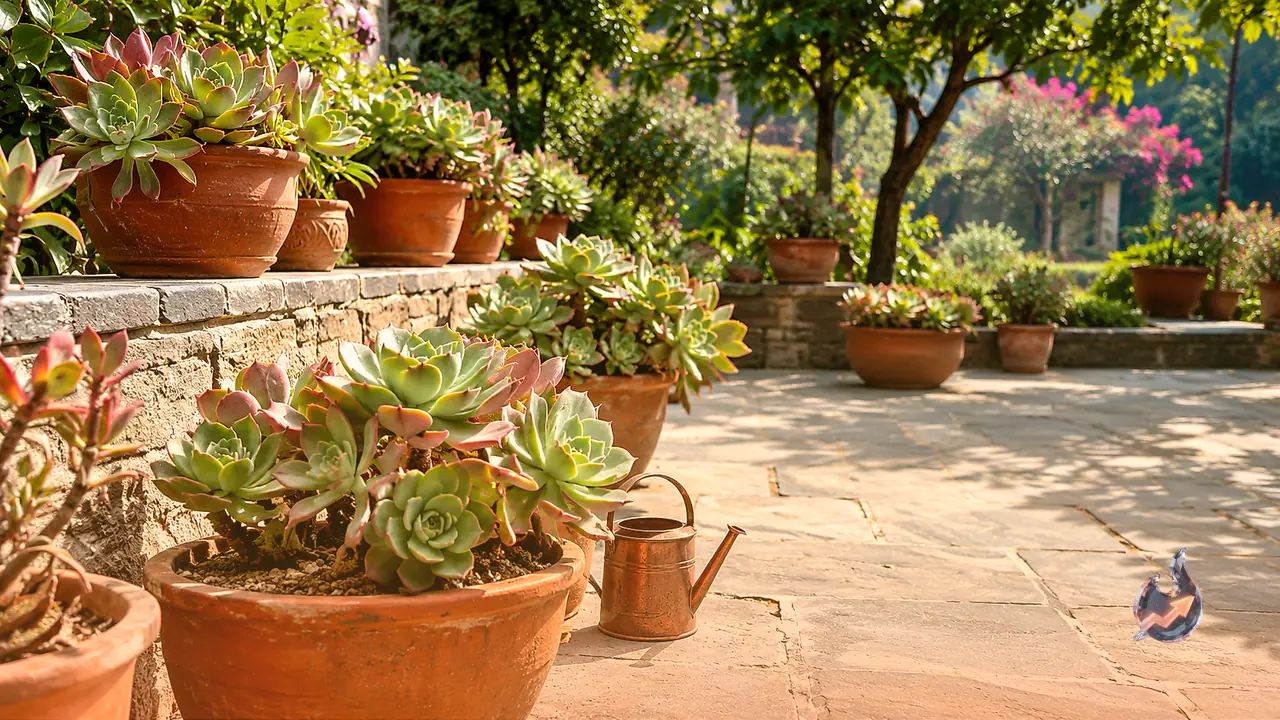

Protecting indoor succulents and Lakshmi Kamal plants through the cold winter months requires disciplined seasonal care to prevent rot and sustain steady health. Nursery expert Abhishek emphasizes that determining the right physical placement is the foundational step in winter succulent care. Many plant owners keep these species entirely indoors during the cold weather, where sunlight is scarce and ambient lighting proves insufficient. Deprived of adequate light, the plant's metabolic activity slows down and its overall growth suffers significantly. To maintain vitality, the pot should sit in a bright spot that receives approximately 3 to 4 hours of direct sunlight each day. At the same time, positioning must balance sun exposure with protection against direct frost and harsh chilling winds.
Watering Frequency and Checking Soil Moisture
Succulent foliage naturally stores substantial reservoirs of moisture within thick leaves, meaning the plant has minimal need for frequent irrigation. Applying excess moisture during the low-evaporation winter season is particularly dangerous, as sitting water swiftly causes the delicate root system to decay, leading to the collapse of the entire specimen. Gardeners must always examine the dryness of the soil before introducing fresh water. Under typical winter conditions, providing moisture once every 7 to 10 days is generally adequate to keep the root zone healthy while preventing prolonged dampness.
Preparing Well-Draining Potting Mix
Selecting an exceptionally porous growing medium is essential for Lakshmi Kamal and related succulent varieties so excess moisture drains immediately without pooling around root hairs. An optimal growing blend can be prepared using coco chips, perlite, and a modest quantity of suitable garden soil or leaf compost. This lightweight, open-structured potting mix allows roots to breathe and shields them from rot. In contrast, heavy garden soils retain water for extended periods, creating cold, saturated conditions that quickly damage the plant during low-temperature spells.
Choosing the Right Container and Frost Shelters
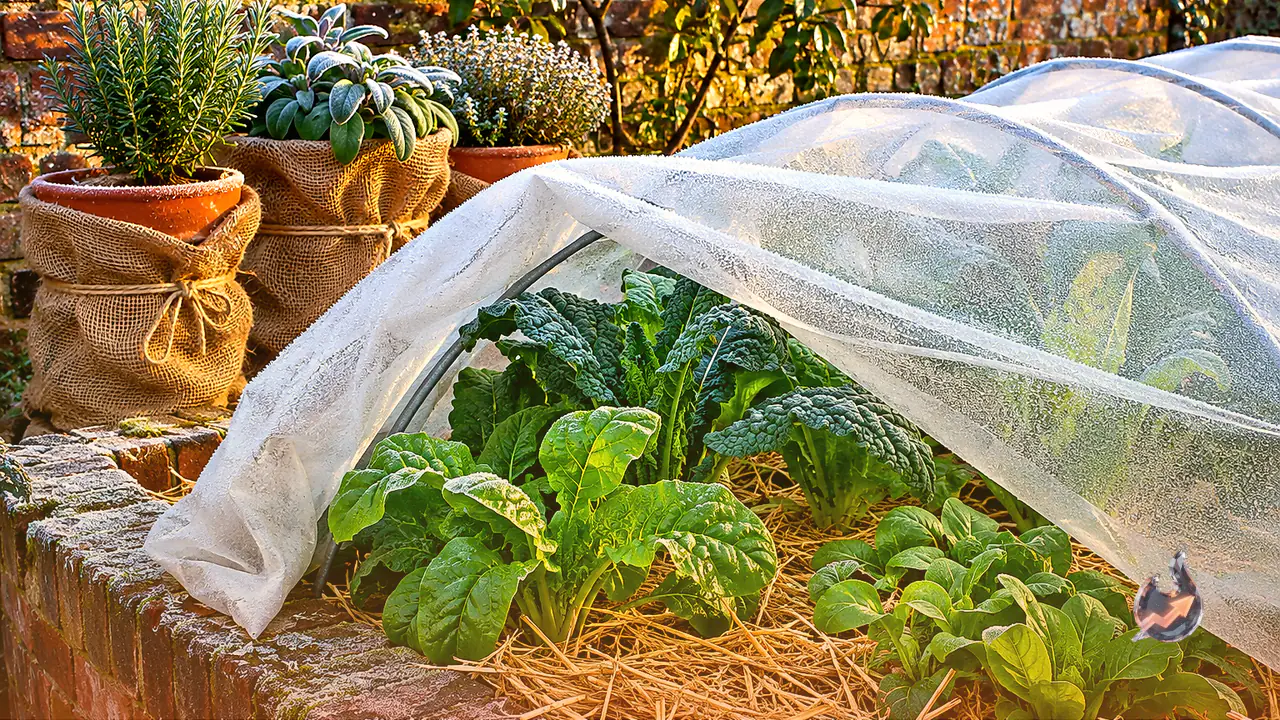
Using containers equipped with generous drainage holes at the base is critical when housing any succulent. Standard nursery pots serve as practical, effective options for this purpose because their base configurations allow immediate water escape. Stagnant moisture inside an unvented pot drastically elevates the danger of root rot. To shield delicate leaves from cold drafts and heavy frost, place the container beneath a protective garden shade or within an airy veranda where it captures gentle morning sunshine. The plant should always access plentiful natural daylight; keeping it tucked away in dark, unventilated corners out of fear of the cold will only accelerate deterioration.
Fertilizer Restraint and Managing Fungal Issues
When preparing soil for succulents, incorporating coco chips along with a modest portion of leaf compost provides sufficient nourishment. Excessive feeding must be strictly avoided, and fertilizers should only be supplied in minimal amounts aligned with the plant's actual seasonal uptake. If foliage displays spots, fungal coatings, or pest infestations, diagnose the underlying condition promptly and treat the foliage with an appropriate fungicide if necessary. Keeping atmospheric moisture around the pot in check and immediately removing decaying or damaged leaves prevents fungal pathogens from spreading through healthy tissue.
Seasonal Precautions for Propagation and Repotting
When a succulent grows vigorously and begins developing healthy small offsets along its outer base, these offshoots can be gently detached and potted into separate containers. Nevertheless, throughout the winter season when plant metabolism naturally decelerates, postponing cutting and repotting tasks is widely recommended. Cool temperatures place the plant under environmental stress, and disturbing its roots or attempting vegetative propagation during dormancy can arrest development and permanently harm the plant.