






















Managing kitchen produce becomes a challenging task with the arrival of the monsoon season. High levels of atmospheric humidity cause potatoes to spoil rapidly during these rainy months. Damp conditions often lead to fungal infestation, softening, or unexpected sprouting, which can make the vegetable unsafe for consumption. However, adopting a few simple yet highly effective home storage techniques can ensure that potatoes remain fresh, firm, and usable for several weeks.
Inspect and Separate Damaged Produce Immediately
Sorting should always be the very first step immediately after purchasing potatoes from the market. Even a single bruised, cut, or rotting potato in a batch can quickly contaminate the surrounding healthy ones. It is essential to inspect the entire supply right away and discard any damaged pieces. Conducting periodic checks throughout the storage period helps identify early signs of decay, ensuring that the remaining stock stays unaffected.
Ensure Proper Drying and Ventilation
Shielding potatoes from ambient moisture is crucial for preserving their quality. Before moving them to permanent storage, spread the potatoes out in an open space to let any surface moisture evaporate completely. Once dry, transfer them to a cool, dry area that benefits from continuous airflow. Storing potatoes in a well-ventilated spot significantly reduces humidity buildup and extends their shelf life.
Avoid Plastic Packaging in Favor of Breathable Materials
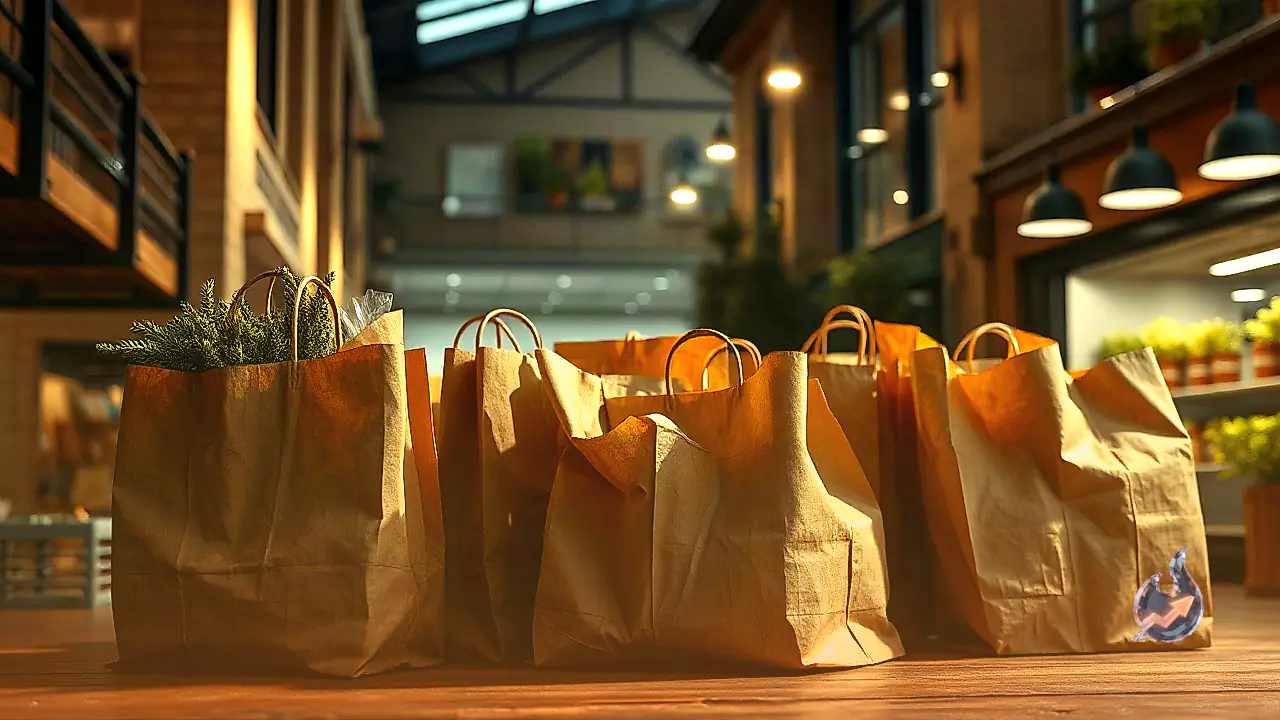
Keeping potatoes inside plastic bags or sealed polythene wrappers is a common mistake that accelerates rotting. Plastic traps moisture inside and prevents circulation of air, creating ideal conditions for decay. Instead, opt for breathable storage solutions such as jute sacks, paper bags, or open mesh baskets. These materials allow adequate oxygen flow around the potatoes, keeping them dry and fresh.
Keep Potatoes Away from Onions and Other Vegetables
Storing potatoes alongside onions or other fresh vegetables is another habit that shortens their usability. Onions naturally emit gases that trigger premature sprouting in nearby potatoes, causing them to turn soft and lose their texture. To prevent this chemical reaction, store potatoes in a dedicated container or basket completely separated from onions and other moisture-heavy produce.
Store in Dark Spaces to Avoid Toxic Solanine Accumulation
Exposure to bright light or direct sunlight accelerates greening and sprouting in stored potatoes. When subjected to excessive light, the skin of the potato turns green due to the accumulation of a toxic compound known as solanine. Consuming high amounts of solanine can cause health issues. If a potato develops small green patches, trim those portions away before cooking; however, if a large part of the potato has turned green, it is best to discard it entirely.