



















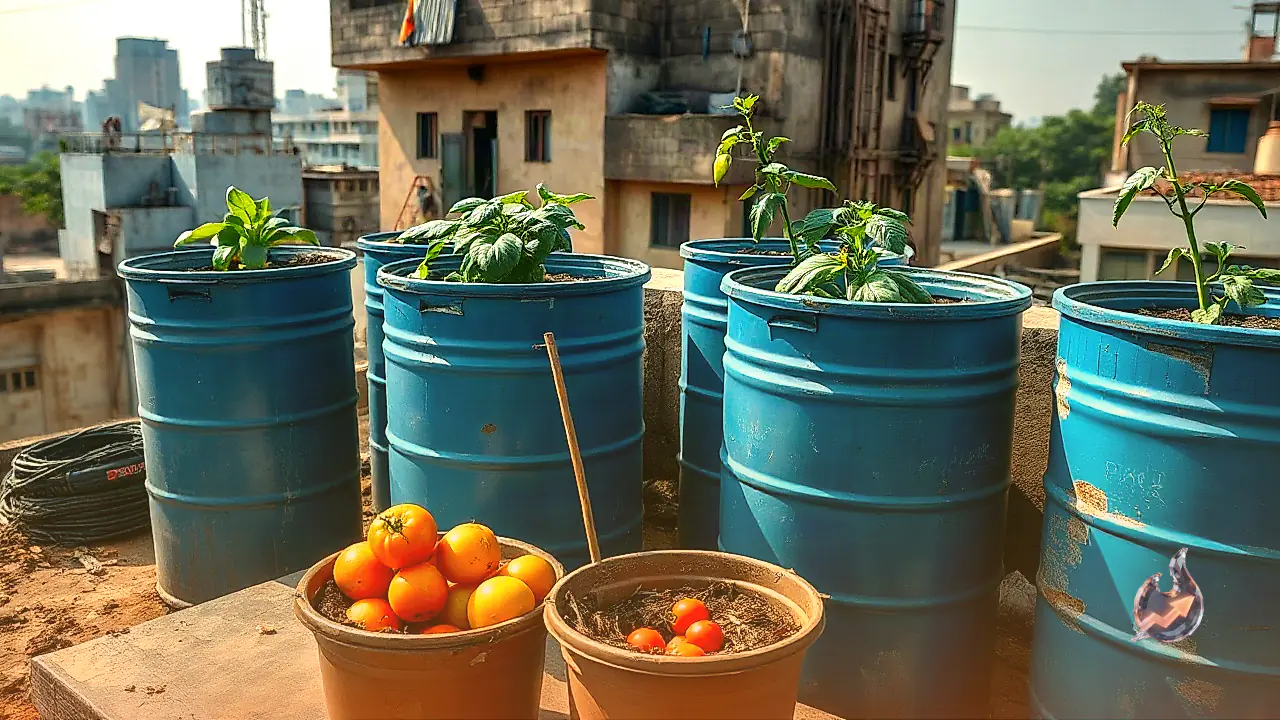

Rising market prices and widespread concerns over pesticide residues have driven many households to seek clean, home-grown produce. In dense urban neighborhoods, however, the absence of backyard space or open ground often discourages gardening enthusiasts from ever starting. Utilizing repurposed blue plastic drums on an open terrace offers a practical and cost-effective workaround, transforming bare rooftops into lush kitchen gardens capable of producing heavy vegetable yields.
Blue industrial drums provide generous volume, depth, and diameter, giving plant root systems ample space to expand and absorb nutrients. Compared to conventional shallow pots, these sturdy containers retain adequate moisture and foster robust root networks. With systematic setup and attentive maintenance, a rooftop corner can easily become a productive miniature farm yielding regular, chemical-free vegetables within a few weeks.
Five Best Vegetables to Cultivate in Drums
Certain vegetable varieties respond exceptionally well to container gardening in blue drums, requiring minimal fuss while delivering continuous harvests
- Tomatoes: Tomato plants thrive when provided deep soil. A single large drum half comfortably accommodates two to three vigorous tomato plants, offering a steady supply of ripe fruit over several months.
- Brinjal: Eggplant needs generous soil depth along with consistent sunlight to thrive. The roominess of a drum allows the plant to form strong stems, accelerating vegetative growth and yielding dense clusters of vegetables.
- Okra: The wide circular opening of a drum enables gardeners to sow multiple okra seeds together. The plants grow upright, producing tender pods on a routine basis for kitchen cooking.
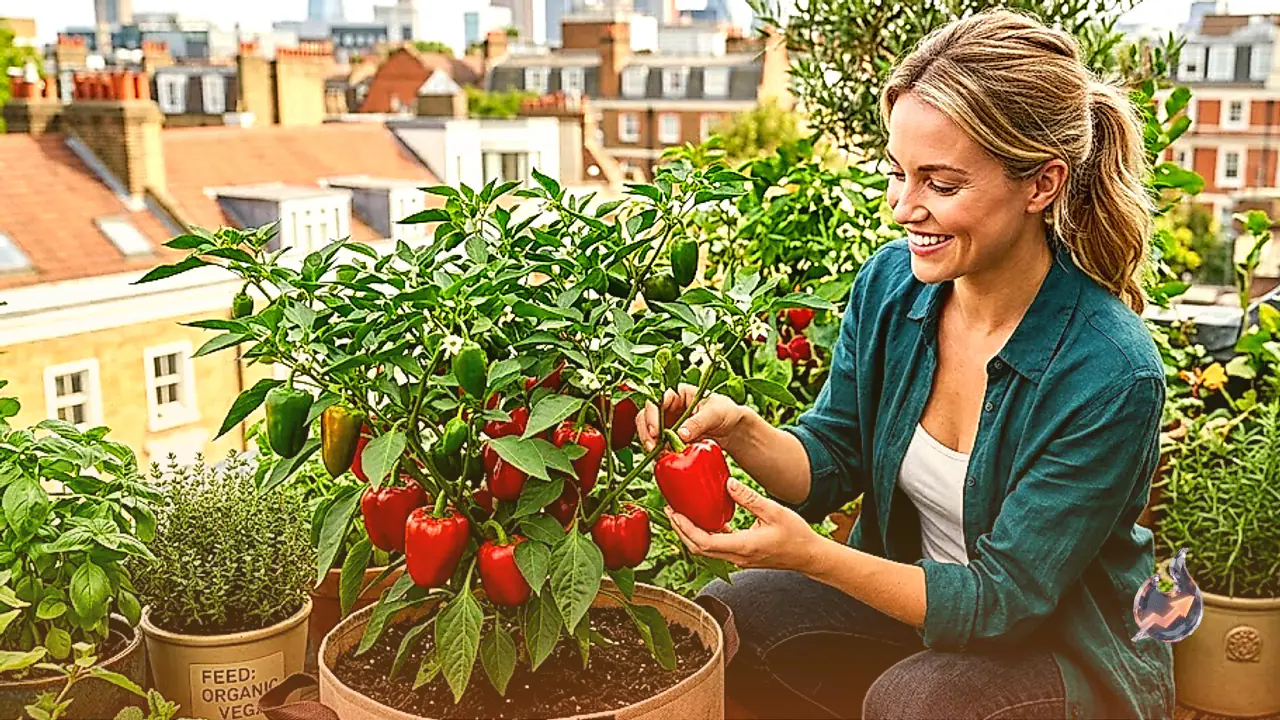
- Green Chillies: Chilli peppers are resilient plants requiring relatively low maintenance. Two to three plants arranged in a single drum easily satisfy the daily culinary requirements of an average household.
- Climbing Vines like Bottle Gourd and Sponge Gourd: The substantial soil volume of a blue drum can comfortably support heavy-feeding climbers such as bottle gourd, sponge gourd, or bitter gourd. These vines can be directed upward along trellises or simple rooftop ropes to maximize vertical area.
Step-by-Step Guide to Preparing the Drums
Getting started requires obtaining a standard blue plastic drum and slicing it horizontally into two equal halves. This single cut instantly yields two large, durable planters that withstand outdoor weather conditions.
Before adding any growing medium, drilling four to five drainage holes into the base of each container is essential. Proper drainage prevents stagnant moisture from accumulating around the root ball, effectively shielding the plants from fungal infections and root rot.
Crafting the Ideal Potting Mixture
The productivity of container vegetables hinges primarily on the quality of the soil blend. A balanced, nutrient-rich potting mix should be assembled using the following proportions
- Garden Soil: Fifty percent ordinary garden soil provides essential structural weight and minerals for holding the plants firmly.
- Organic Fertilizer: Thirty percent decomposed cow manure or vermicompost introduces crucial organic matter and slow-release plant nutrients.
- Sand or Cocopeat: Twenty percent clean sand or cocopeat ensures soil aeration, preventing compaction and facilitating smooth drainage.
Planting, Sunlight, and Irrigation Guidelines
Growers can start their garden either by procuring sturdy saplings from a local nursery or by directly sowing certified seeds. When using seeds, place them approximately half an inch deep into the prepared mix and moisten the soil surface with a gentle water spray.
Position the heavy containers where they receive at least five to six hours of direct, unfiltered sunlight daily. Adequate sun exposure is critical for flowering and fruit development. The soil should remain consistently moist to the touch without becoming waterlogged or soggy.
Nutrient Top-Ups and Organic Pest Defense
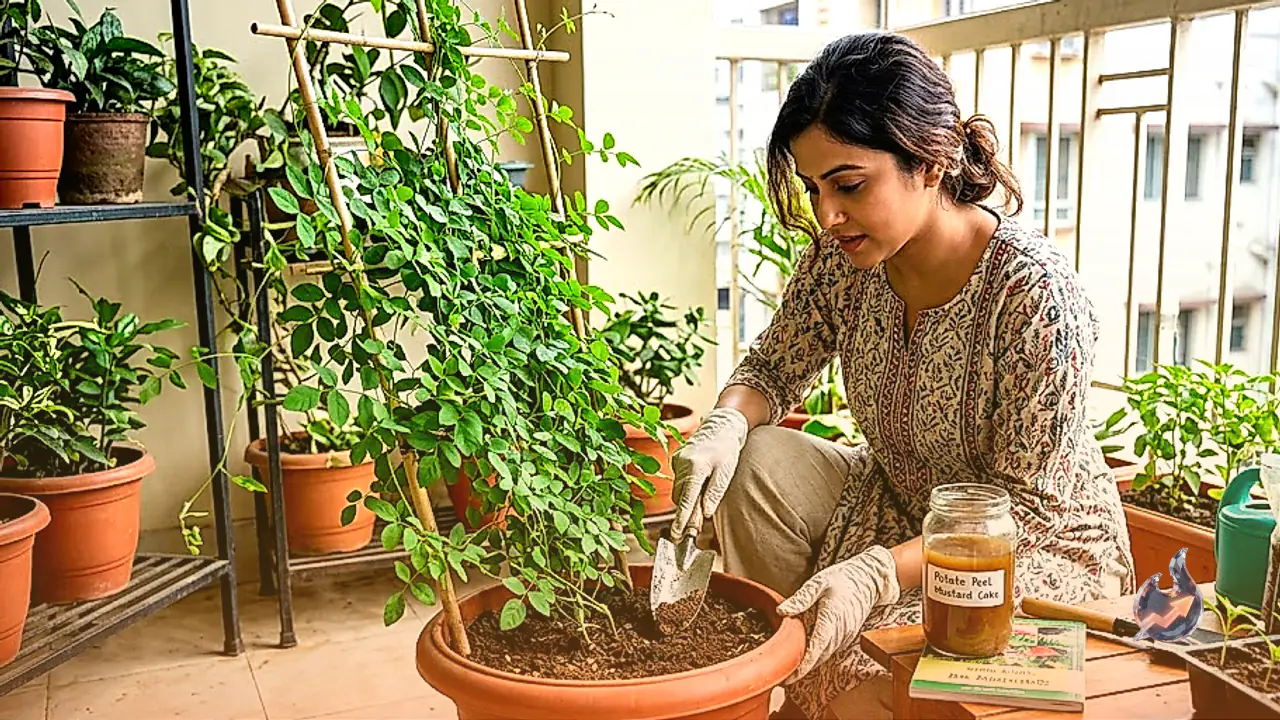
To sustain vigorous growth throughout the fruiting season, add a shallow dressing of vermicompost or neem cake powder around the root zone every fifteen to twenty days. This regular nutritional supplement keeps the root ecosystem active.
To guard against common garden pests without relying on synthetic chemicals, spray the foliage periodically with a diluted neem oil solution. This organic treatment repels harmful insects naturally, ensuring the vegetables harvested for your kitchen stay completely pure, safe, and nutritious.