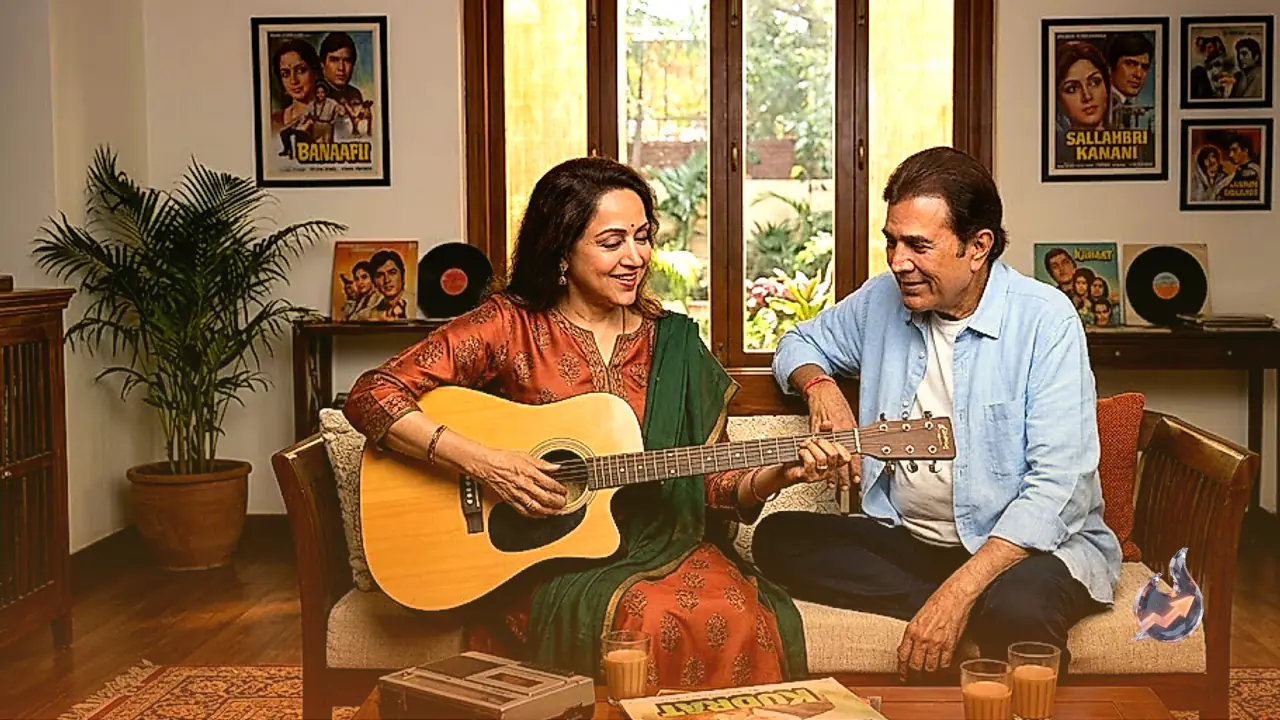





















The landscape of Hindi popular cinema underwent a tectonic transformation between the late 1960s and the early 1980s. Towards the close of the 1960s and heading into the early 1970s, Rajesh Khanna commanded an unprecedented cultural phenomenon across India. Delivering an astonishing run of 15 consecutive solo box office hits, he earned recognition as Indian cinema's first official superstar. Massive crowds regularly gathered just to catch a fleeting glimpse of him, completely captivated by his signature romantic screen charm.
The Arrival of Zanjeer and the Angry Young Man
The year 1973 marked the dawn of an entirely different cinematic epoch with the arrival of Zanjeer. Through Amitabh Bachchan, audiences encountered a protagonist who directly challenged systemic rot and societal injustice. The country's youth began resonating far more deeply with this raw, combative, and rebellious energy than with the gentler romantic archetypes of the preceding era, causing Rajesh Khanna's long-held dominance to steadily weaken.
Anand and Namak Haraam: The Generational Transition
The shared screen appearances of Amitabh Bachchan and Rajesh Khanna in Anand in 1971 and Namak Haraam in 1973 captured this historic transition in real time. Upon the theatrical arrival of Namak Haraam, both film critics and mainstream moviegoers showered immense acclaim on Bachchan's performance. The dynamic between the two actors on screen made it unmistakably evident who was destined to inherit the supreme mantle of Hindi cinema.
Vinod Khanna's Rise and the Fierce Rivalry for Number One
As Rajesh Khanna's box office sway waned towards the tail end of the 1970s, Vinod Khanna established himself as a magnetic and formidable action hero. Across blockbuster multi-starrers such as Muqaddar Ka Sikandar, Parvarish, Amar Akbar Anthony, and Hera Pheri, Vinod Khanna shared equal space with Amitabh Bachchan, matching him blow for blow with striking charisma and towering screen presence. By the late 1970s and dawn of the 1980s, Vinod Khanna stood alone as the sole actor capable of challenging Bachchan in terms of star wattage, commercial pull, and remuneration. Industry trade observers widely believed that Vinod Khanna possessed both the talent and magnetic appeal required to surpass Bachchan and seize the top rank.
The Oregon Retreat and Uncontested Dominance
At the absolute peak of his professional standing in 1982, Vinod Khanna made a life choice that astonished the entire entertainment industry. Walking away from fame, wealth, and commercial success, he relocated to the ashram of Osho (Acharya Rajneesh) in Oregon, United States, seeking inner peace and spiritual fulfillment. This abrupt departure completely eliminated the single most threatening contender to Amitabh Bachchan's commercial sovereignty. With his primary competitor out of the arena, Bachchan exerted unchallenged command over the 1980s box office, riding a wave of massive hits to solidify his enduring status as the superstar of the century.