



















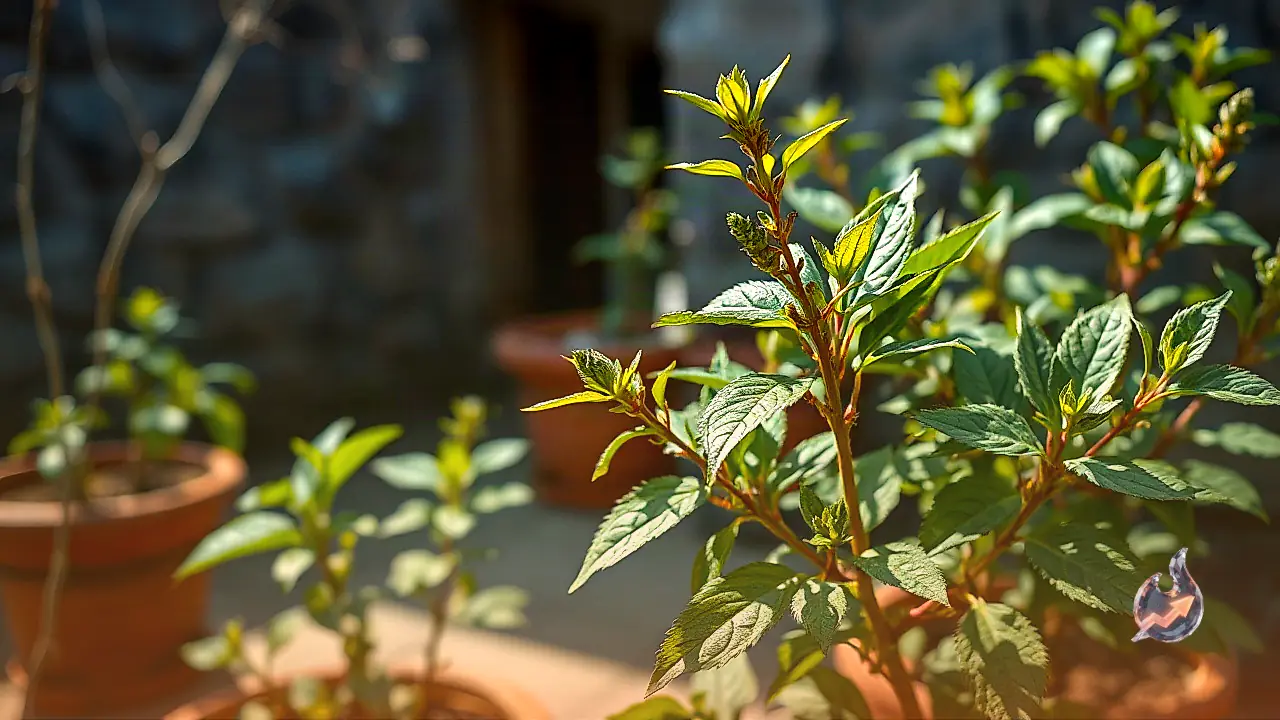

The holy basil plant, commonly known as Tulsi, holds an important religious and medicinal position across Indian households, where it is frequently grown on balconies, terraces, courtyards, or near sunlit windows. In many homes, however, growers encounter a common problem: the plant turns leggy and spindly, developing weak vertical stems with very sparse foliage. Many people assume this lack of vigorous growth is caused by an unfavorable season or a defective seedling, but the real underlying cause almost always traces back to inadequate sunlight, incorrect watering practices, poor soil drainage, or a lack of routine upkeep. By adopting a few practical gardening techniques, any struggling basil plant can be revitalized into a dense, vibrant, and leafy bush.
Pruning Stems and Pinching Growing Tips
Regular trimming serves as the most effective method for encouraging bushy lateral development in Tulsi. When the plant sends up tall vertical shoots, the tender top growth should be pinched off using clean fingers or trimmed just above a leaf node with sanitized shears. Removing these apical tips prevents the plant from channeling all its energy upward, stimulating it to branch out sideways into multiple new stems instead. Over time, consistent pinching transforms a thin single-stem plant into a full, rounded shrub. Always ensure that the cutting tool is thoroughly cleaned to avoid introducing pathogens to the freshly cut plant tissue.
Ensuring Adequate Exposure to Sunlight
Tulsi requires strong illumination and several hours of direct daylight every single day to fuel robust vegetative development. Depriving the plant of adequate sun causes its stems to stretch excessively toward light sources, resulting in fragile branches and minimal leaf production. To prevent this weak elongation, position the container in an open area that receives sustained sunshine throughout the day. Open rooftops, unshaded balconies, bright courtyards, or large south-facing window ledges provide the most suitable microclimates for healthy foliage.
Balancing Soil Moisture and Drainage
Irrigation requires precise attention because waterlogged soil presents the greatest threat to a basil plant's survival. While the root zone benefits from moderate background moisture, continuously soaked soil quickly suffocates the roots and triggers fatal root rot. Always inspect the top layer of potting mix before adding water, withholding moisture if the surface remains damp to the touch. Furthermore, the planter must feature functional drainage holes at its base so excess water can freely escape rather than pooling around delicate underground roots.
Applying Mild Organic Compost
To support continuous leaf and branch production, the potting medium requires occasional replenishment with natural nutrients. Heavy doses of synthetic chemical fertilizers can easily burn the sensitive root system and damage the plant. Instead, mixing small amounts of well-rotted organic compost into the soil at regular intervals delivers balanced nourishment safely. Healthy, fertile soil provides the sustained energy necessary for the plant to push out fresh green growth without suffering chemical stress.
Removing Flower Spikes and Managing Pests
When the primary goal is maximizing leaf yield, it is critical to snip off developing flower buds and seed heads as soon as they appear. Allowing the plant to bloom signals it to redirect its reserves toward seed formation, which suppresses new leaf emergence and leads to premature woody growth. Removing these flowering spikes keeps the plant in an active vegetative phase. Gardeners should also inspect the undersides of leaves frequently for tiny pests such as aphids or white spots, intervening at the first sign of infestation to preserve the health and density of the foliage.