





















Ginger-garlic paste serves as a foundational building block across Indian kitchens, lending depth, richness, and aroma to lentils, mixed vegetables, rich gravies, meat preparations, and savory appetizers. While commercially packaged pouches offer immediate convenience, they often incorporate food additives and fall short of the intense vibrancy provided by homemade pastes. Achieving a velvety consistency and a harmonious bite at home depends primarily on mastering the exact proportion of each root and preparing them systematically.
Determining the Balanced Ratio for Indian Recipes
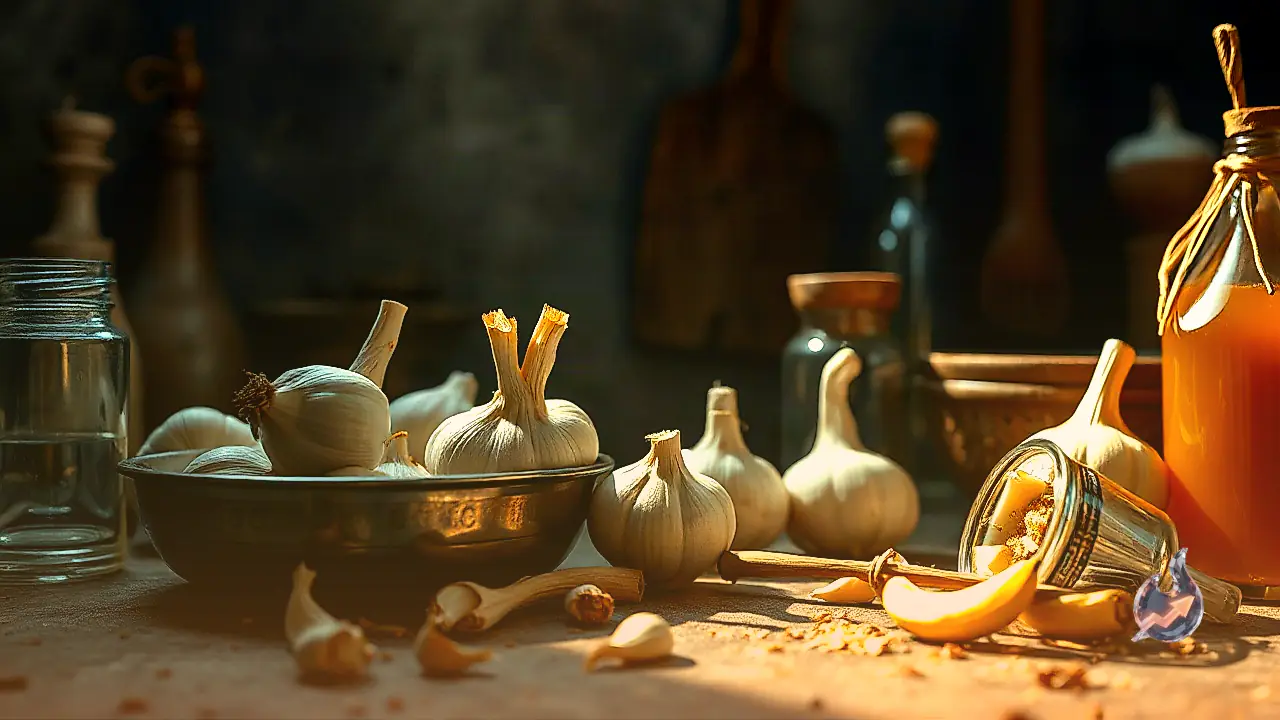
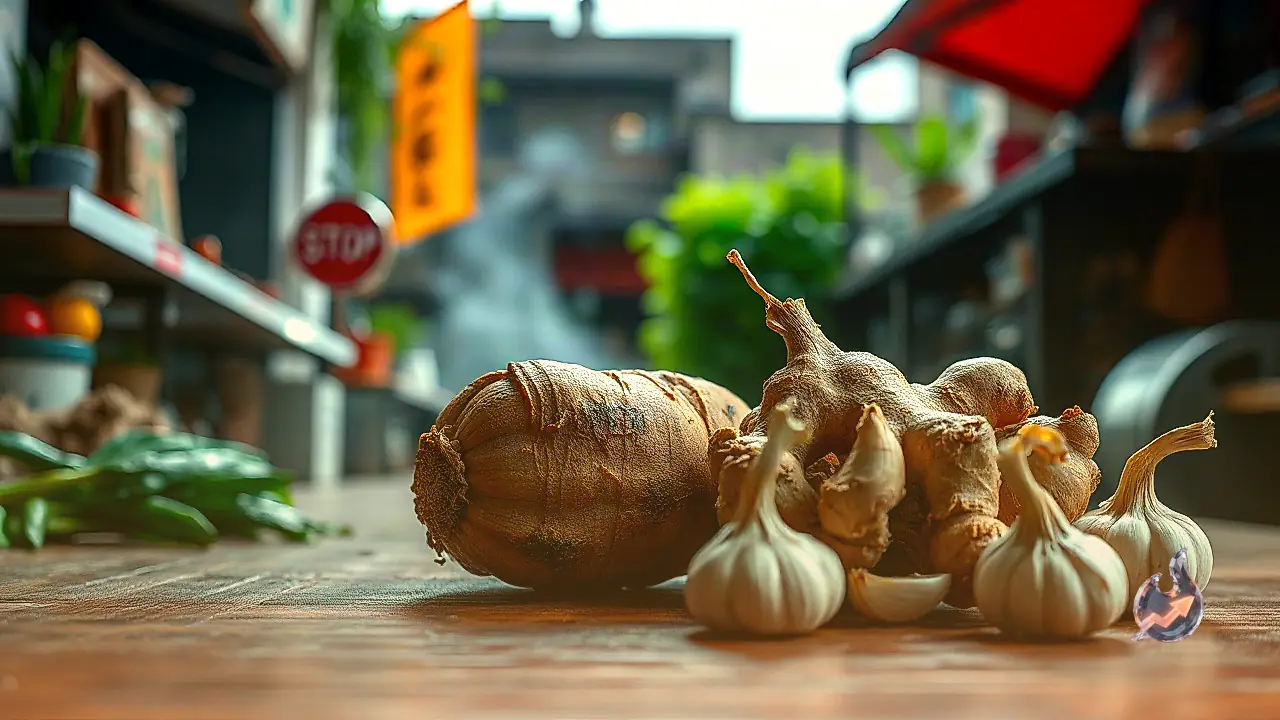
To produce an authentic, restaurant-grade profile that blends smoothly into sauces, maintaining an equal 1:1 proportion of ginger to garlic stands as the gold standard. In practical kitchen measurements, this means pairing 100 grams of peeled ginger directly with 100 grams of peeled garlic cloves. This balanced baseline ensures that neither root overpowers the palate, making the resulting paste versatile enough for almost any daily curry or lentil base.
Personal taste preferences can also guide minor modifications to this base ratio. Those who favor a pungent garlic kick in roasted gravies can shift to 1 part ginger paired with 1.5 parts garlic. Conversely, home cooks who lean toward a subtle warmth and sharper herbal notes often increase the proportion of ginger slightly to suit lighter preparations.
Preparation Steps for an Ultra-Smooth Consistency
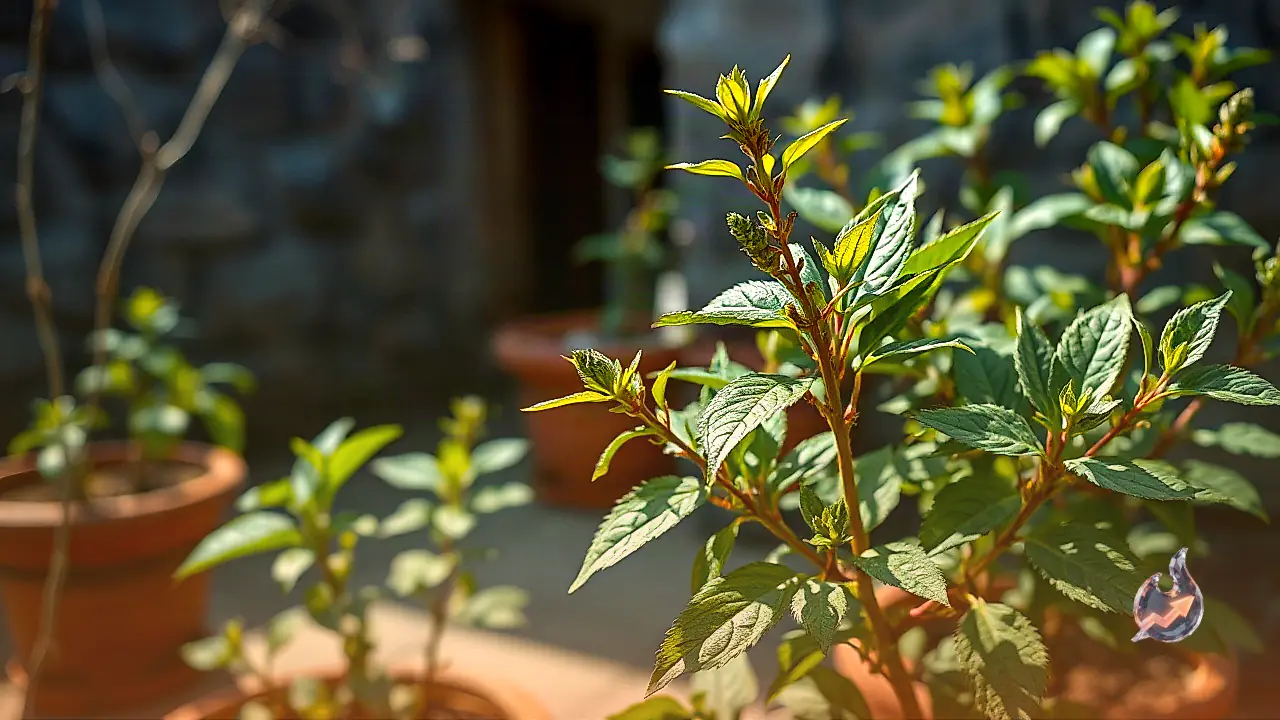
Quality begins with selecting firm, fresh rhizomes alongside plump, aromatic garlic cloves. Rinse the ginger thoroughly under cool running water, scrape off the outer skin cleanly, and peel every garlic clove. Chopping both components into small, uniform pieces before loading them into the mixer grinder prevents unblended chunks and reduces strain on the machine blades.
Transfer the chopped pieces into the blender jar. Incorporating 1 to 2 tablespoons of oil or a splash of water helps the blades catch the fiber and create a smooth puree. When preparing batches intended for extended shelf life, using oil instead of water is significantly better because added moisture encourages spoilage and mold formation. Pulse the mixture in short intervals, using a clean spatula to scrape down the sides between rounds until the mixture turns silky and lump-free.
Preservation Methods to Extend Freshness for Weeks
To keep the blend aromatic without losing its bright color, blend a pinch of salt along with a spoonful of cooking oil into the mixture. Both ingredients act as gentle natural preservatives that prevent oxidation and rancidity. Transfer the finished puree directly into a sterilized, completely dry glass jar fitted with an airtight lid, and place it in the refrigerator, where it remains safe and flavorful for 2 to 3 weeks.
For freezing over several months, spooning the paste into a standard ice cube tray offers the most practical storage solution. Once frozen solid, individual cubes can be popped out directly into hot oil or tempering pans as needed during meal prep. Achieving commercial smoothness simply requires running the blender slightly longer with a touch of refined oil, keeping the aroma, texture, and natural bite perfectly intact.