























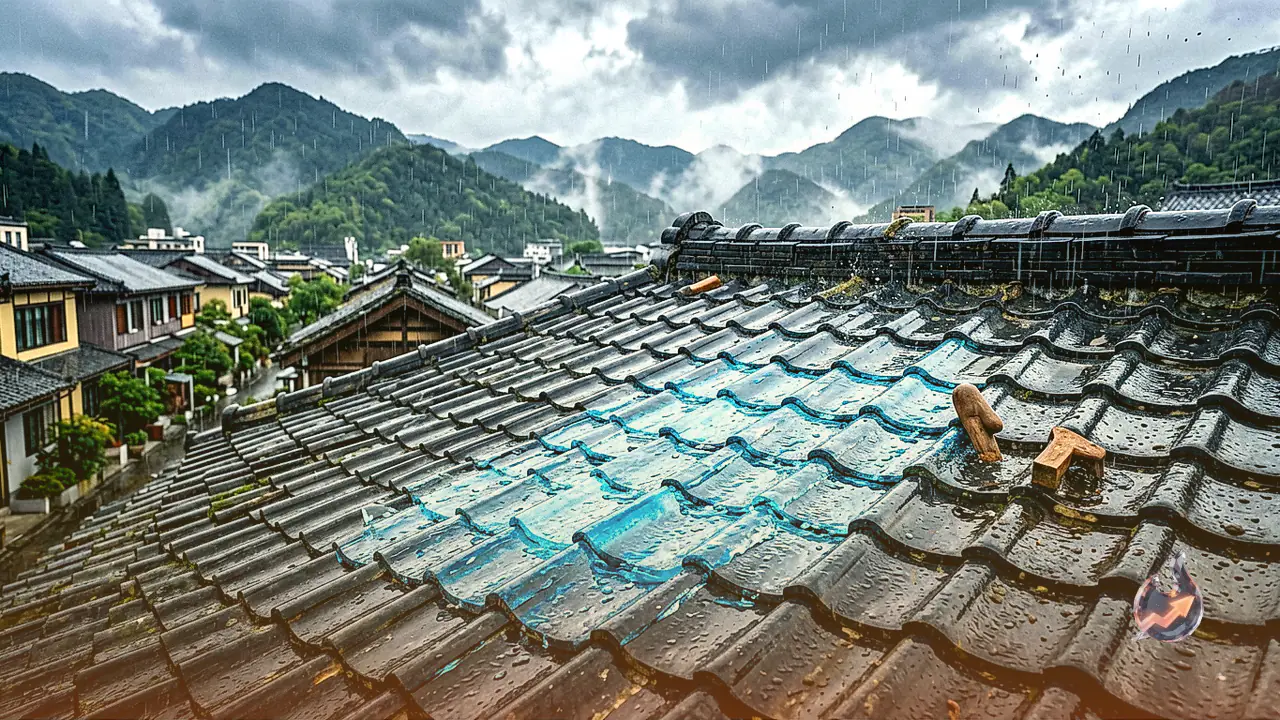

When peak summer arrives, scorching sunlight beats down on residential rooftops, turning the entire house into an oven and driving up indoor temperatures significantly. Conversely, the monsoon season brings its own set of headaches, including stagnant puddles, damp walls, and persistent ceiling leaks. To combat both extremes, many homeowners turn to rooftop tiling as a reliable safeguard. However, a common question remains whether laying tiles genuinely cools down the living spaces and keeps the structure safe from heavy rains.
Getting the right tiles installed on a roof can indeed mitigate the harsh impact of solar heat. Light-colored tiles, in particular, work effectively by reflecting sunlight away rather than absorbing it. This helps keep the roof surface cooler, thereby reducing the heat felt inside the rooms below. Even so, expecting tiles alone to drop indoor temperatures drastically is unrealistic, as overall warmth depends on various factors such as architectural design, roof orientation, insulation, and ambient weather conditions.
The Critical Role of Waterproofing and Drainage
While tiles offer an extra layer of defense during the rainy months, the most crucial step is ensuring foolproof waterproofing underneath. If existing cracks and damp patches on the concrete are ignored before tiling begins, rainwater will eventually find a way through. Trapped moisture beneath the tiles can lead to foul odors, widening cracks, and severe leakage problems.
Therefore, a thorough inspection of the roof is mandatory before any tiles are laid down. Filling up old cracks, applying a durable waterproof membrane, and creating the correct slope for runoff are vital steps. Rainwater must never pool anywhere on the surface, which also requires keeping all drain pipes and drainage systems clean and fully functional.
Selecting the Right Tiles and Checking Load Capacity
When shopping for tiles, buyers should look beyond mere aesthetics and visual appeal. For hotter regions, light-colored variants are far better choices because dark surfaces tend to trap intense heat. Additionally, the overall weight of the tiles demands careful consideration. If the building is old or the roof structure is weak, consulting an expert to verify load-bearing capacity before adding extra weight is essential.
Ultimately, placing tiles on a roof can prove highly beneficial across both summer and monsoon seasons, but proper installation is paramount. Rather than focusing solely on beauty, homeowners must prioritize waterproofing, adequate drainage slopes, and structural strength. Using quality materials and careful execution can go a long way in safeguarding a home from heat, dampness, and weather-induced damages.