





















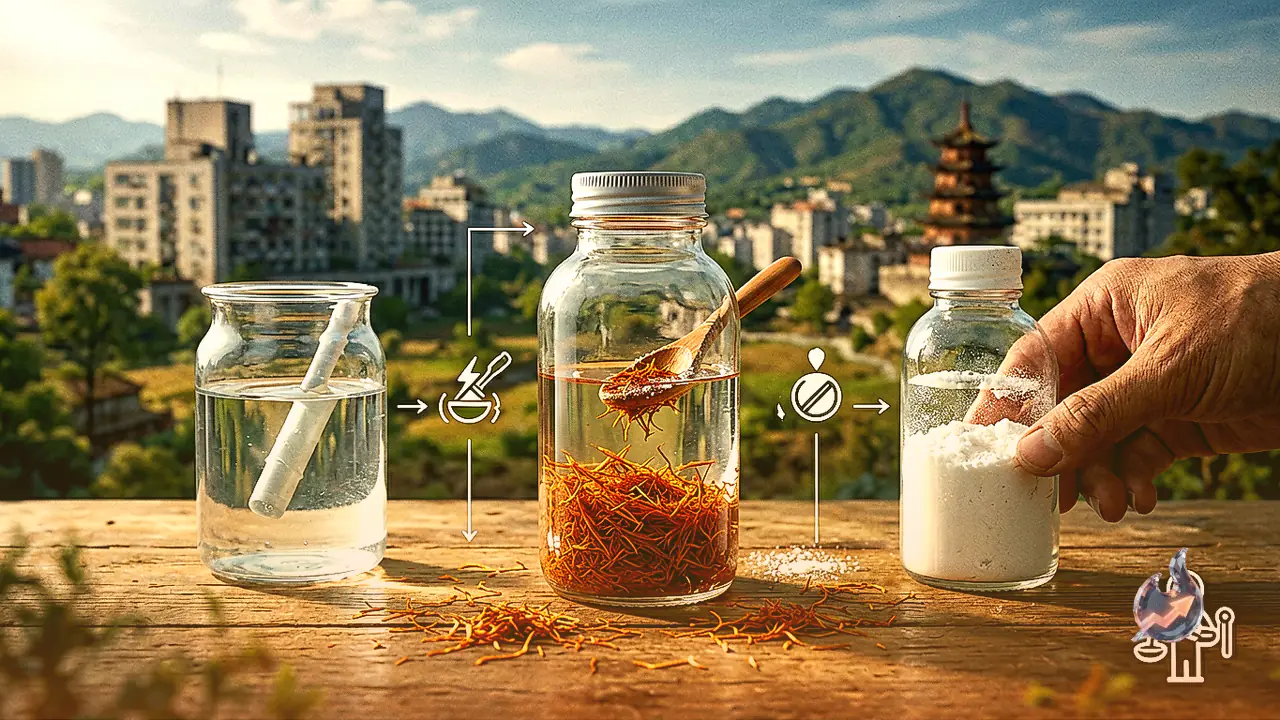

Saffron is often referred to as the red gold of Indian kitchens, globally famous for its rich aroma, deep crimson color, and medicinal properties. However, due to its hefty price tag, the market sees a surge in adulterated and fake varieties. Unscrupulous traders frequently dye corn silk, plastic, or ordinary threads in red to sell them off as authentic saffron. If you are planning to purchase Kashmiri saffron, a little bit of alertness can save you from being scammed. Several straightforward home tests can help you distinguish between real and fake saffron within seconds.
The Cold Water Test
One of the most precise ways to verify saffron purity is the water test. Take a glass of cool water and drop two to three strands of saffron into it. Real saffron slowly releases a golden-yellow hue into the water, taking about ten to fifteen minutes to shed its color while retaining its inherent red shade. On the other hand, fake saffron immediately discharges a deep red color the moment it touches water, turning white or colorless shortly after.
Checking via Aroma and Taste
Authentic Kashmiri saffron carries a potent and sweet fragrance that can be sensed from a distance, resembling a blend of honey and dry grass. Despite its sweet scent, its taste is never sweet. When placed on the tongue, genuine saffron imparts a mild bitter flavor. If the sample tastes sweet, it indicates adulteration using a sugar or jaggery solution.
The Rubbing Test
After soaking in water, place a saffron strand between your fingers and rub it gently. If the strand crumbles, breaks apart, or turns into a mushy pulp, it is fake. Genuine saffron strands remain sturdy even after absorbing water and do not break down easily upon rubbing.
The Baking Soda Test
This is a remarkably effective and simple procedure. Take a small bowl of water and mix a pinch of baking soda into it, then drop in a few saffron strands. If the water turns yellow, the saffron is completely authentic. If the water shifts to a red or dark orange shade, chemical dyes have been added.
Texture and Moisture Examination
Kashmiri saffron is never completely dry or brittle. It feels slightly flexible and retains a hint of moisture to the touch. If the threads feel excessively dry, hard, or snap instantly under your fingers, they might be stale or manufactured from artificial materials.
Key Points to Remember While Buying
Pure Kashmiri saffron features a deep crimson red color with a slightly broadened tip at the upper end of the strand. Because authentic Kashmiri saffron has limited production, it commands a high price; if someone offers it at a very cheap rate, it is most likely counterfeit. To ensure authenticity, governments issue a GI tag for Kashmiri saffron, so always check the packaging for the GI logo and QR code. Performing these small checks at home ensures you invest in quality and safeguard your health.