























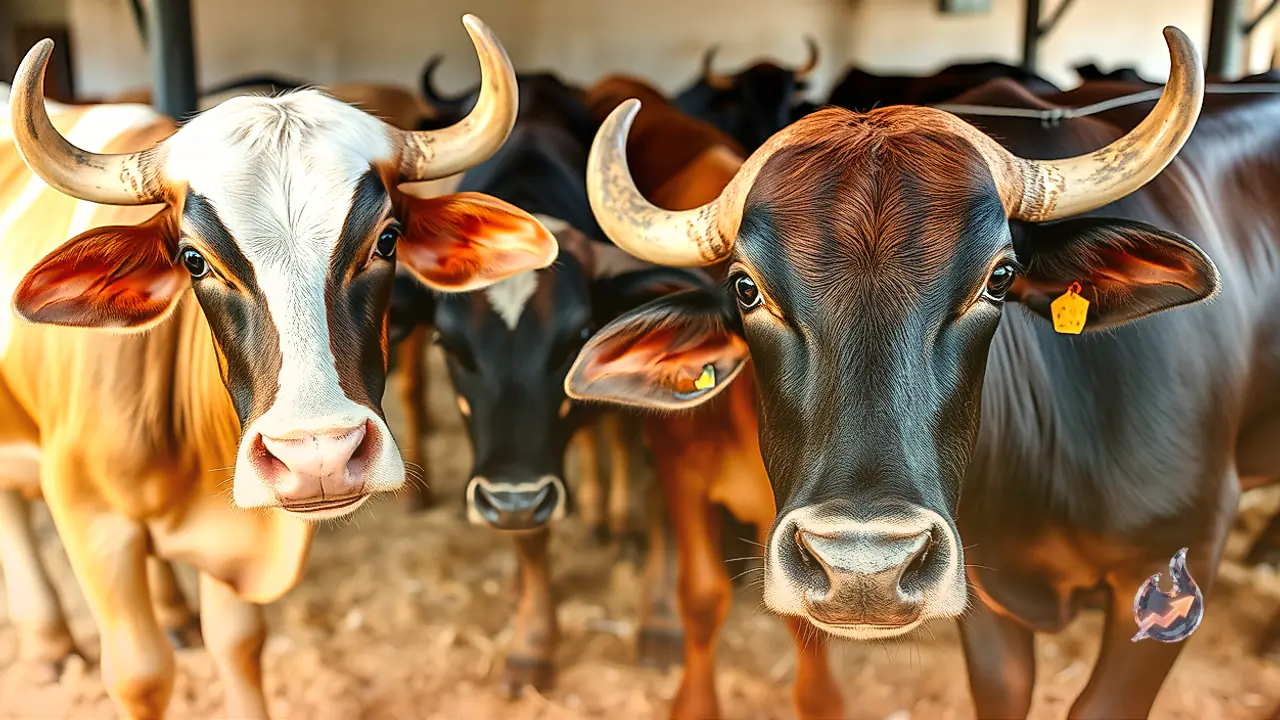

When purchasing fresh milk from local dairies or neighbourhood vendors, consumers often find themselves questioning whether the container holds cow milk or buffalo milk. While both varieties appear broadly similar at a casual glance, paying closer attention to tone, consistency, and the cream formed on top reveals unmistakable contrasts. Because the nutritional composition and fat density differ significantly between the two, anyone can tell them apart in an ordinary kitchen without relying on complex testing tools.
The Colour Distinction: Why Carotene Alters Tone
According to Lakhimpur Kheri veterinary specialist Dr NK Tripathi, the visual appearance of milk provides the very first clue to its origin. Cow milk routinely carries a subtle yellowish cast or an off-white creamy hue rather than stark brilliance. In sharp contrast, milk sourced from a buffalo displays an intensely bright, chalky white tone.
This visual variance is rooted in natural pigments. Dr NK Tripathi explains that the yellow or cream shade in cow milk stems directly from the presence of carotene. In buffalo milk, carotene levels are minimal, which leaves the liquid looking strikingly white without any yellowish tint. Placing a sample beneath clear indoor light makes this tonal difference immediately evident.
The Fat Percentage Gap and Texture Differences
Beyond natural coloration, the most substantial distinction lies in the overall fat profile. According to Dr NK Tripathi, cow milk generally carries a fat level of around 4 to 4.5 percent. Buffalo milk contains considerably higher fat levels, hovering between 6 and 8 percent or even climbing beyond that range under certain circumstances.
Because buffalo milk is packed with higher fat and total solid constituents, it feels decidedly heavier and thicker in texture. This physical density explains why curd set from buffalo milk turns out remarkably firm and dense. Similarly, culinary preparations such as paneer, khoya, and clarified butter yield substantially higher volumes when prepared using buffalo milk.
Testing at Home with Clear Glasses and Cream Layers
Households looking to verify their milk supplies can conduct a straightforward visual inspection at home. Pouring the liquid into separate transparent glass tumblers makes the variation in fluidity stand out. The cow variety looks comparatively light, fluid, and less dense, whereas the buffalo counterpart demonstrates a noticeable richness and opaque thickness.
Observing the resting liquid adds another reliable layer of confirmation. Allowing the boiled or settled milk to sit undisturbed causes a layer of clotted cream to form on the surface. Because of its elevated fat content, buffalo milk develops a distinctly thick, dense layer of cream. In comparison, the cream skin that collects over cow milk is visibly delicate, thin, and lightweight.
Dietary Roles and Everyday Consumption Choices
Cow milk has formed a central component of traditional Indian diets across generations. It provides a balanced combination of protein, calcium, carbohydrates in the form of lactose, essential fatty acids, and other critical micronutrients. Because it contains noticeably less fat than buffalo milk, it is easier to digest and less filling, making it a preferred dietary staple for growing children, elderly individuals, and adults seeking a lighter beverage.
Conversely, buffalo milk remains popular among those seeking rich dairy delicacies or calorie-dense nourishment. Its elevated total solids content ensures superior yield during sweet making, providing the full-bodied texture prized in regional sweets and rich dairy delicacies.