























In the rich tapestry of Indian confections, particularly across Bengal and eastern India, chhena and rasmalai occupy revered spots on dessert menus. Food enthusiasts often conflate the two due to their shared dairy origins, yet they are entirely distinct culinary entities. From their foundational preparation and mouthfeel to their nutritional footprints and serving traditions, notable differences define them. While one is an unadulterated building block for countless confections, the other is an elaborate, multi-stage dessert perfected for celebratory dining.
Understanding Chhena as a Foundational Dairy Product
Chhena is not a finished confection on its own; rather, it represents a fresh dairy base that gives life to some of India's most celebrated sweets. It is created through a simple curdling process: fresh milk is brought to heat, after which an acid such as lemon juice or vinegar is introduced. The acidic reaction cleanly separates the liquid whey from the curdled milk solids. These strained solids are recognized as chhena. Possessing a delicate, clean, and mildly milky palate, chhena acts as the indispensable raw material required to craft iconic regional specialties like rasgulla, sandesh, cham cham, and rasmalai itself.
The Intricate Crafting of Sweet and Creamy Rasmalai
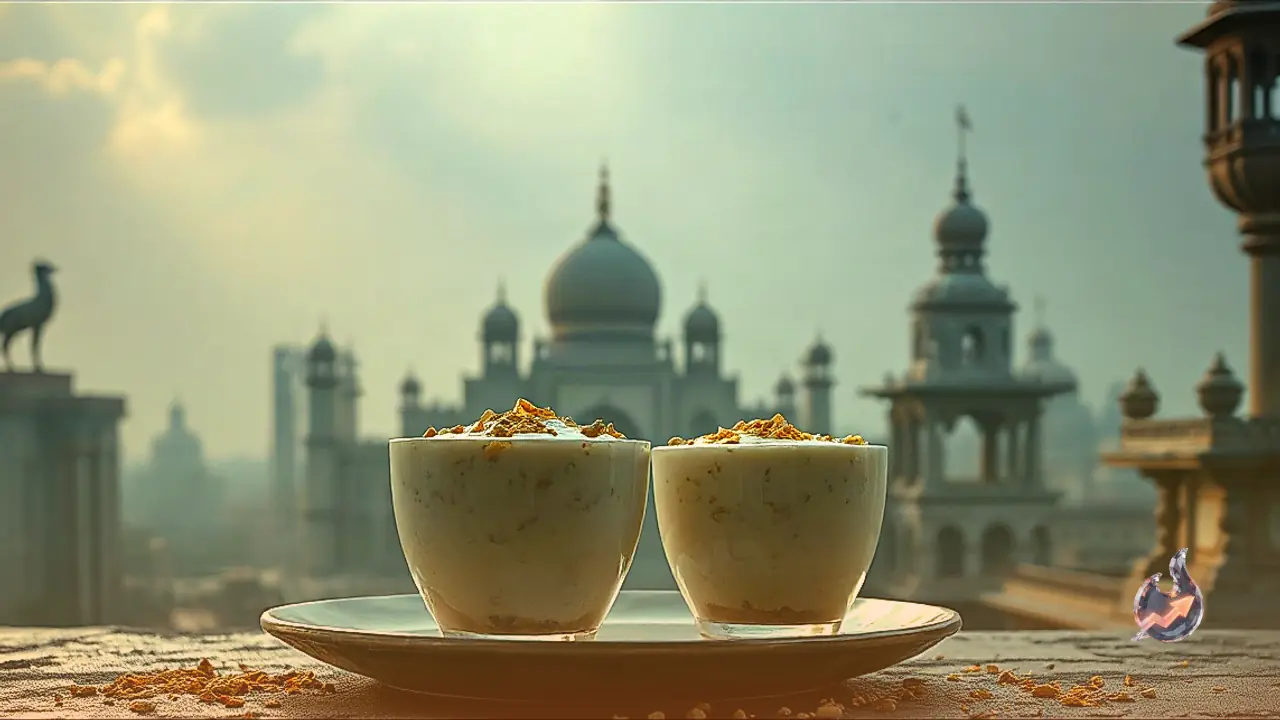
In contrast, rasmalai is a fully assembled, lavish dessert that uses chhena merely as its starting point. Crafting rasmalai demands precision and culinary technique. The fresh chhena is first thoroughly kneaded until it transforms into a pliable, uniform texture, after which it is portioned into small, flattened discs. These discs are carefully simmered in a simmering sugar syrup until they turn soft, spongy, and resilient. Once cooked, they are transferred into a fragrant, thickened, sweetened milk reduction known as rabri, generously infused with saffron threads, aromatic cardamom, and slivered dry fruits. The result is an indulgent, creamy, and decadent treat cherished during festivals and weddings.
Comparing Culinary Preparation, Texture, and Use
When evaluated side by side, fundamental distinctions emerge across multiple dimensions. Chhena functions strictly as an unprocessed dairy ingredient, whereas rasmalai is an end-product dessert ready for direct consumption. In terms of processing, chhena requires only milk curdling and straining, but rasmalai entails an elaborate journey involving kneading, syrup-poaching, and steeping within aromatic reduced milk. On the palate, chhena is subtle, fresh, and naturally low in sweetness, whereas rasmalai provides an intense, sugary, and velvet-smooth experience. While culinary cooks rely on chhena to innovate diverse recipes, rasmalai is presented directly to diners as a celebratory sweet dish.
Evaluating the Health and Nutritional Differences
The nutritional spectrum separates these two dairy items even further. Chhena stands out as a protein-dense and calcium-rich dairy staple devoid of added sugars, rendering it an appealing, wholesome choice for individuals monitoring their nutritional balance. While rasmalai carries over that underlying protein and calcium from its chhena core, the integration of concentrated sugar syrup and full-fat rabri drives its total calorie count considerably higher. Consequently, unflavored chhena remains a lighter, health-conscious food item, whereas rasmalai is a rich festive indulgence that is best savored in mindful, moderate portions.