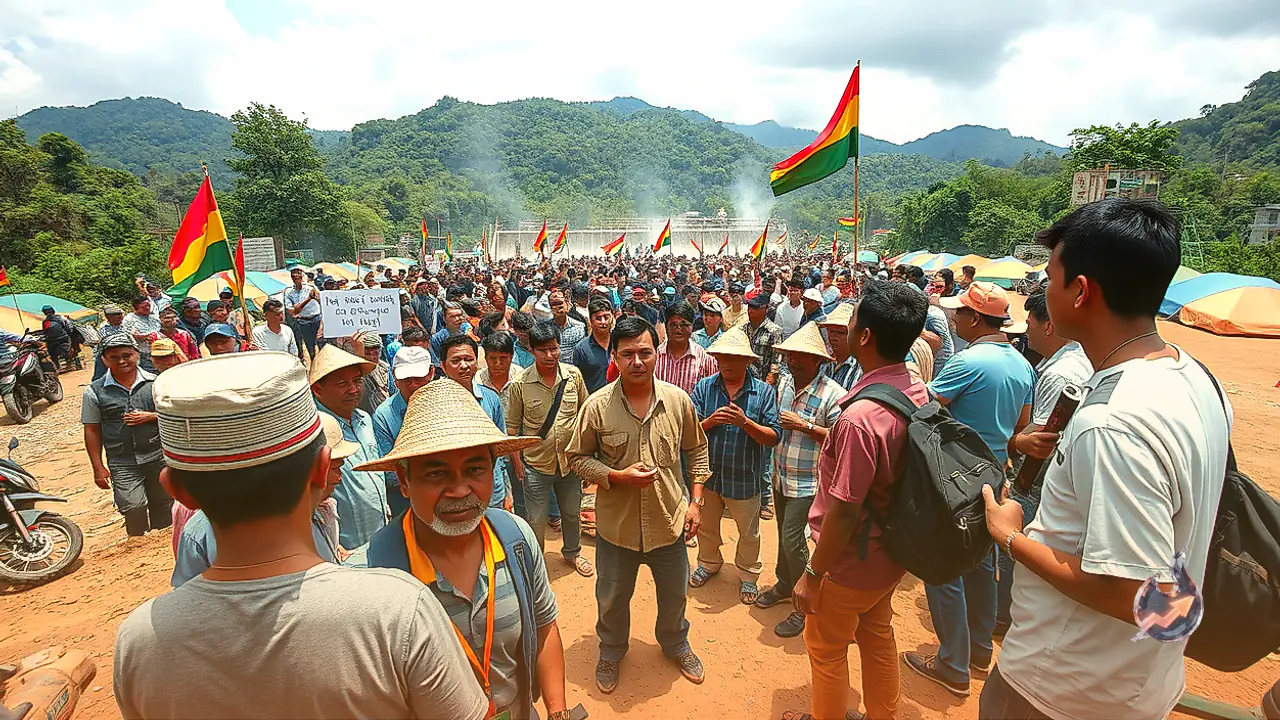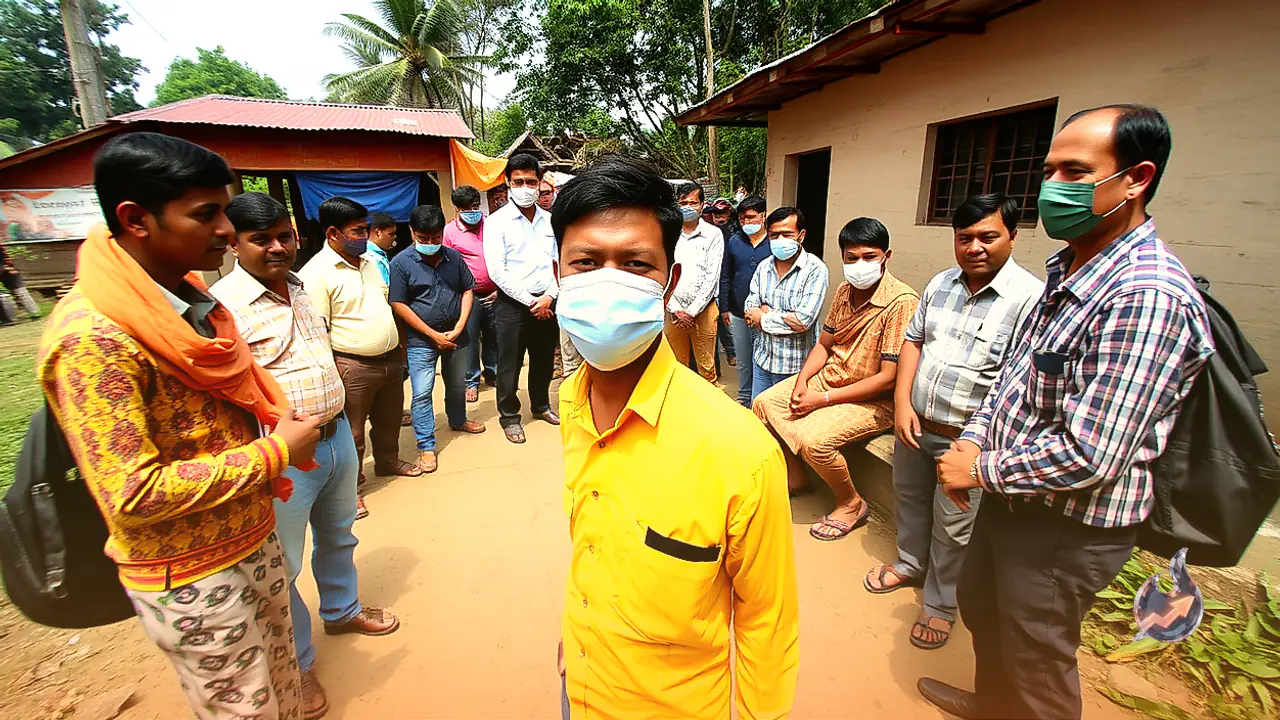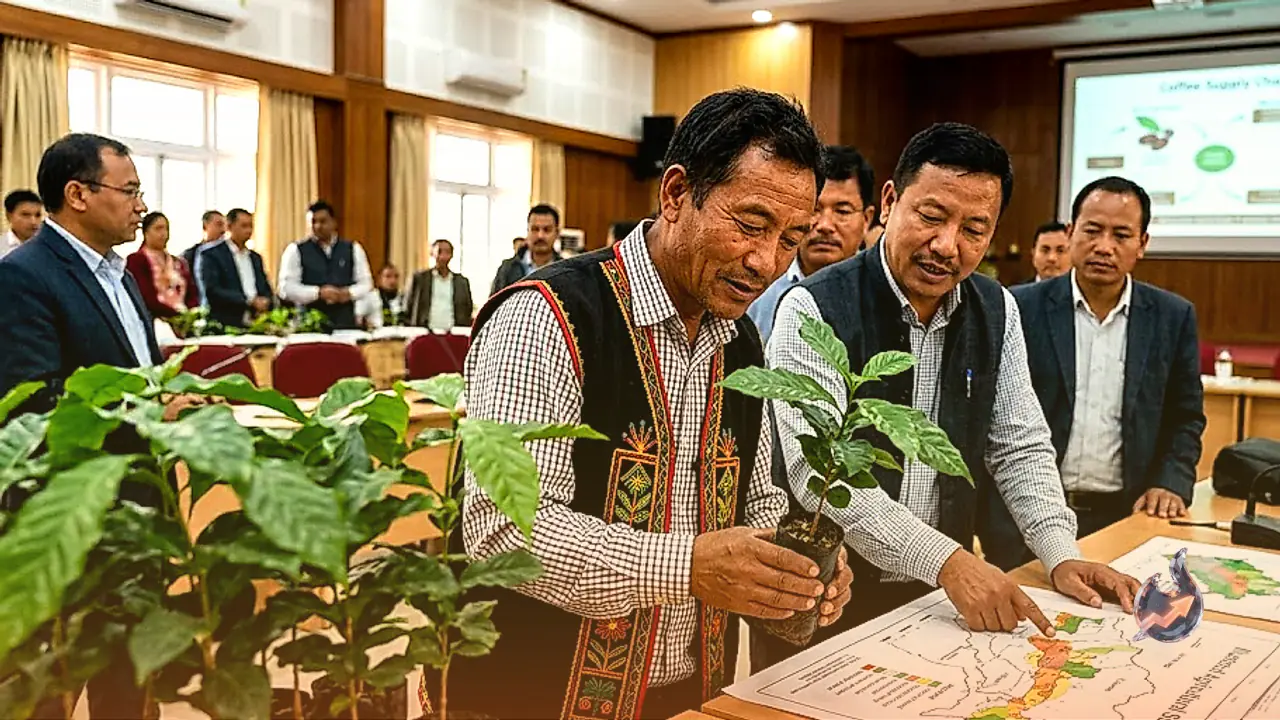
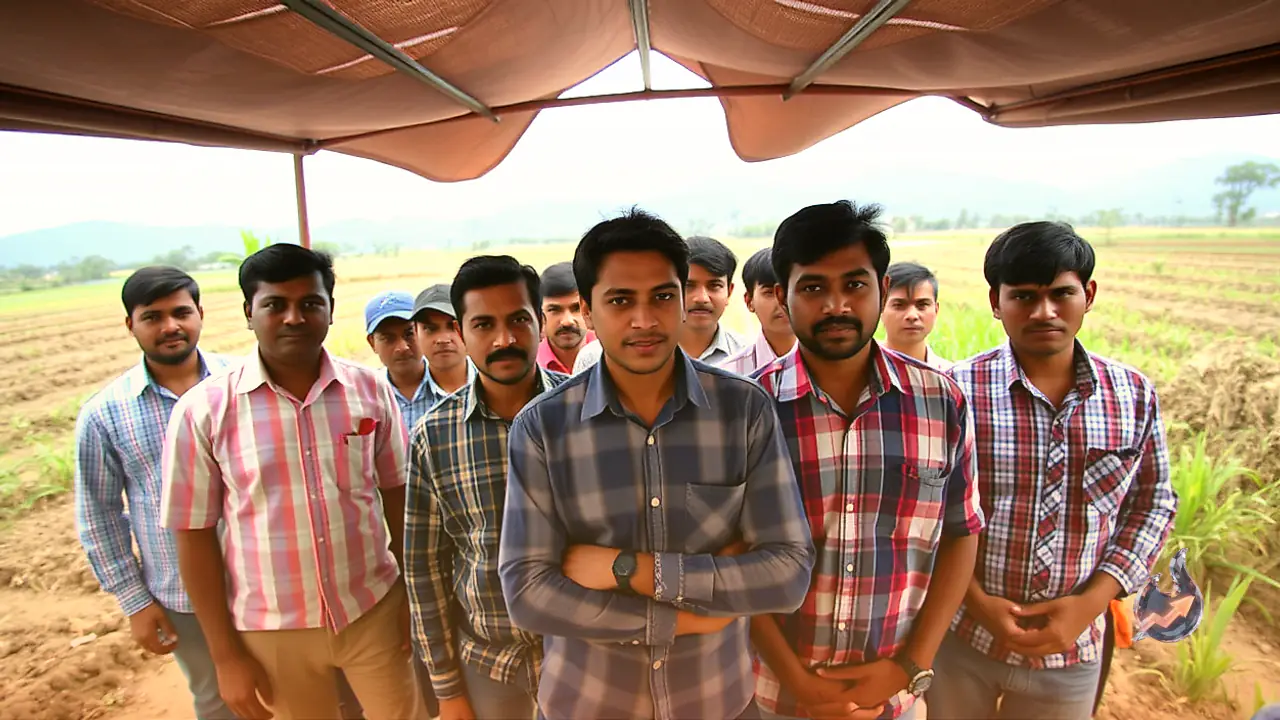





















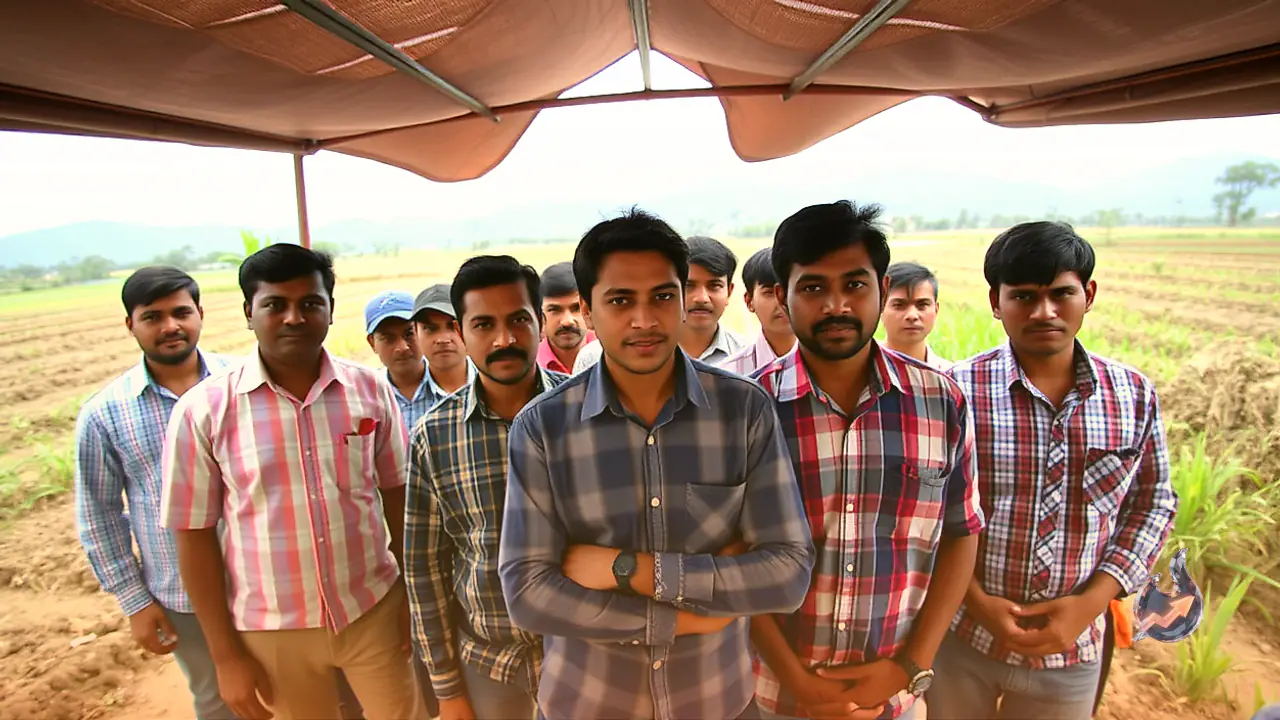

Arunachal Pradesh has set in motion a statewide digital transformation for its agricultural sector by launching the Farmer ID initiative. The administrative effort aims to create an authenticated registry of agricultural cultivators, enabling sharper planning and seamless execution of government welfare programs. Agriculture Minister Gabriel D Wangsu officially inaugurated the program at a dedicated Farmer ID Generating Camp organized in Roing, located in Lower Dibang Valley district.
Pilot Phase Commences in Six Districts Under AgriStack
The digital initiative is operating under the national AgriStack framework. Authorities have opted for a staged deployment, rolling out the project initially across six districts on a pilot basis: Tawang, Pakke Kessang, Lower Subansiri, East Siang, Lower Dibang Valley, and Namsai. Once field outcomes and registration progress from this initial phase are evaluated, administrative teams plan to expand the system across the remaining 21 districts of the state.
Targeted Support and Comprehensive Farm Mapping
Addressing an assembly comprising farmers, gaon burahs, elected representatives, and Agriculture Department personnel, Wangsu outlined the structural shifts this identity system will bring. The verified registry will collect key operational details, including the specific locations where cultivators work, the exact crops they grow, and the precise assistance their acreage requires. Having access to authenticated information regarding agricultural plots and seasonal activities will allow officials to administer resources transparently and design policies tailored to actual local needs, rather than working with speculative estimates.
Clarification on Land Ownership Rights
To prevent misconceptions regarding tenure, the minister explicitly defined the legal boundaries of the digital identifier. Wangsu clarified that the Farmer ID does not function as a land ownership deed. Holding the digital document neither establishes nor confers any legal rights or ownership claims over the land being cultivated. Instead, the document serves strictly as a verified registry of an individual grower, designed solely to simplify access to government agricultural schemes, departmental services, and eligible public benefits.
Data Integrity and Field Survey Cooperation
Underlining the critical role of data protection and administrative transparency, Wangsu highlighted that the ultimate success of the program relies on the precision of the gathered information. The minister called on local growers to actively step forward during registration drives and urged them to collaborate closely with departmental field surveyors conducting farm mapping and data collection across regional holdings.