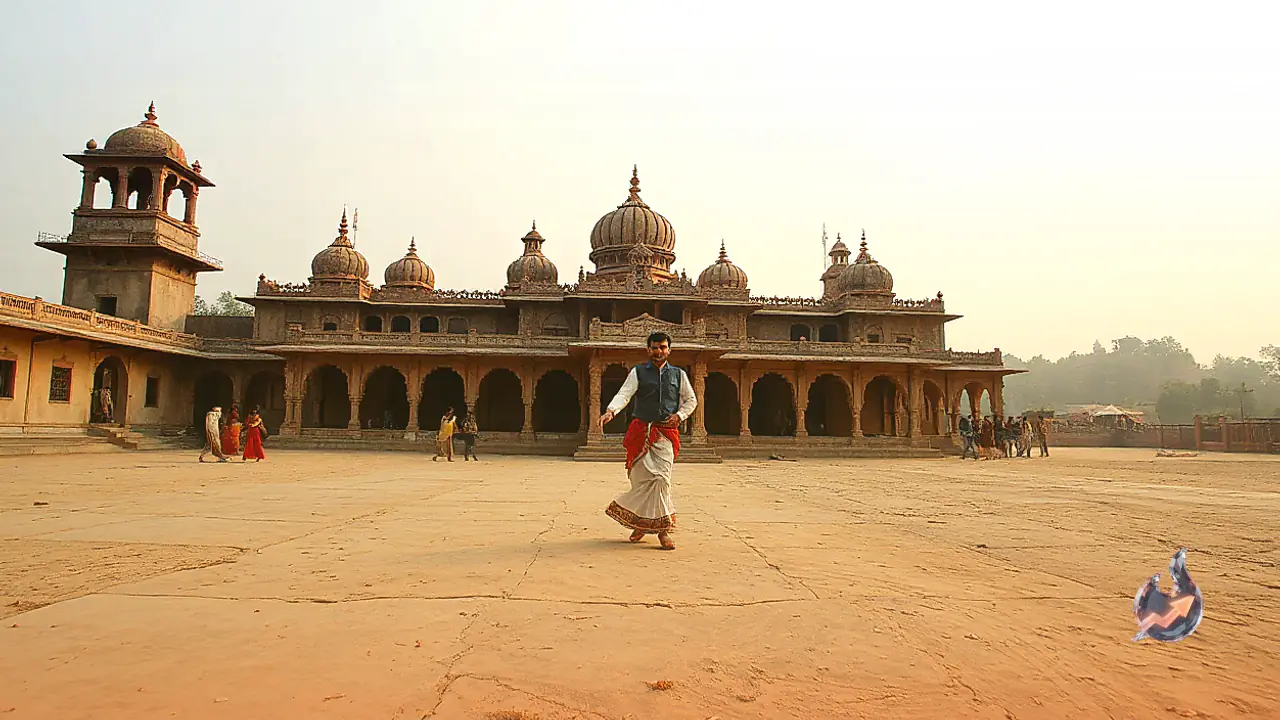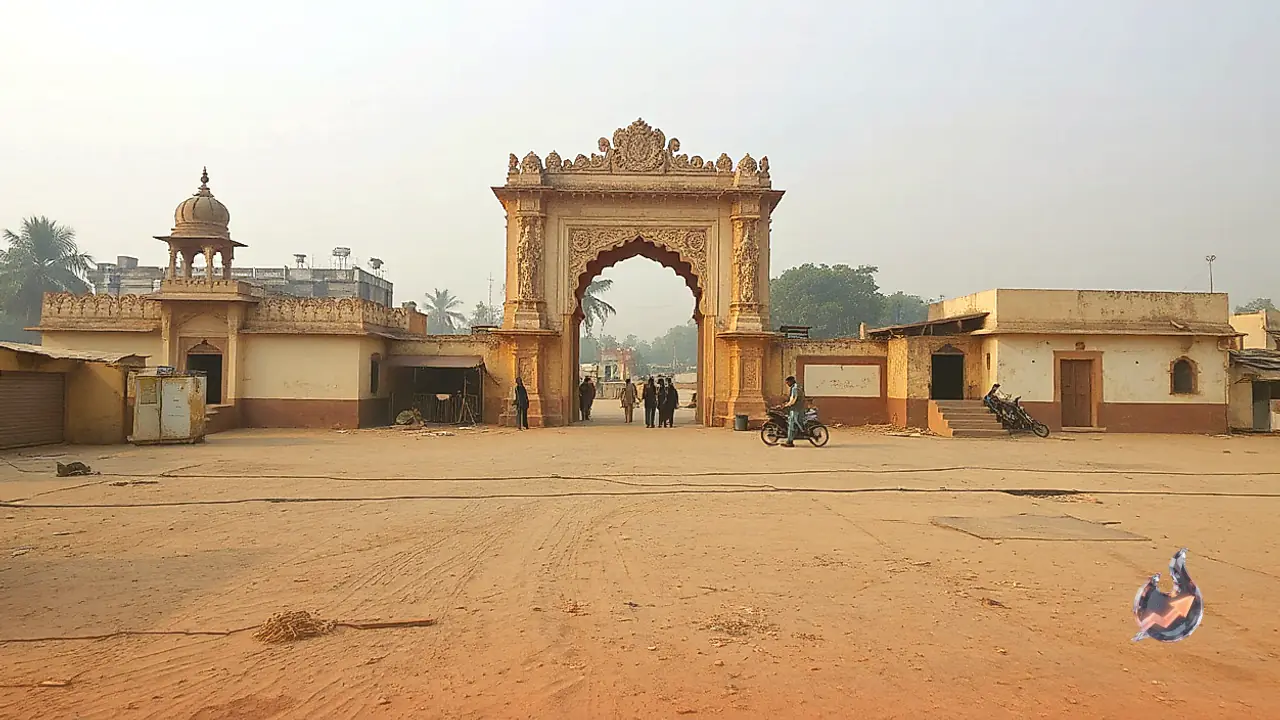




















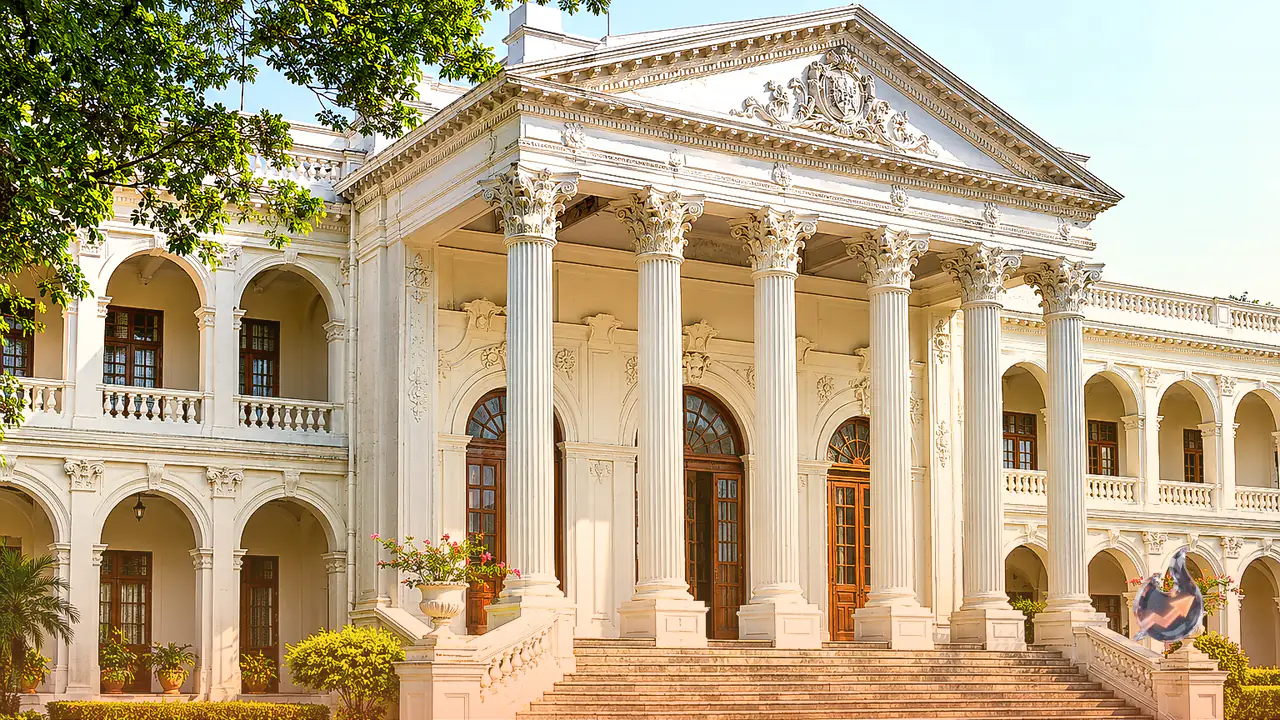

Tucked away in the historic Hussaini Alam district of the old city of Hyderabad, the renowned Khurshid Jah Deorhi is reclaiming its former royal splendor. Long plagued by neglect and severe decay, this 19th-century heritage structure has been meticulously revived through modern conservation efforts.
Origins and Architectural Splendor
The foundation of this magnificent palace was laid by Nawab Fakhruddin Khan of the Paigah nobility. Later, his successor Nawab Khurshid Jah Bahadur undertook major expansions and decorative additions. Widely regarded as a prime example of European Palladian architecture, the building features towering columns, expansive verandas, and intricate carved structures that highlight a bygone era of design.
A Symbol of Royal Heritage
During its golden years, the estate was adorned with priceless carpets, grand chandeliers, and delicate woodwork. These elements served as a testament to the opulent lifestyle and architectural appreciation of the nobility who once resided within its sprawling courtyards and halls.
Decades of Decline and Closure
As time progressed, the purpose of the estate shifted significantly. For many decades, the premises housed the Hussaini Alam Government Girls College. However, due to the severely dilapidated condition of the structure and mounting safety concerns, the college was relocated in 2008. Deprived of proper maintenance thereafter, the heritage property steadily transformed into a ruin, with cracking walls, damaged roofs, and broken flooring.
The Restoration Initiative
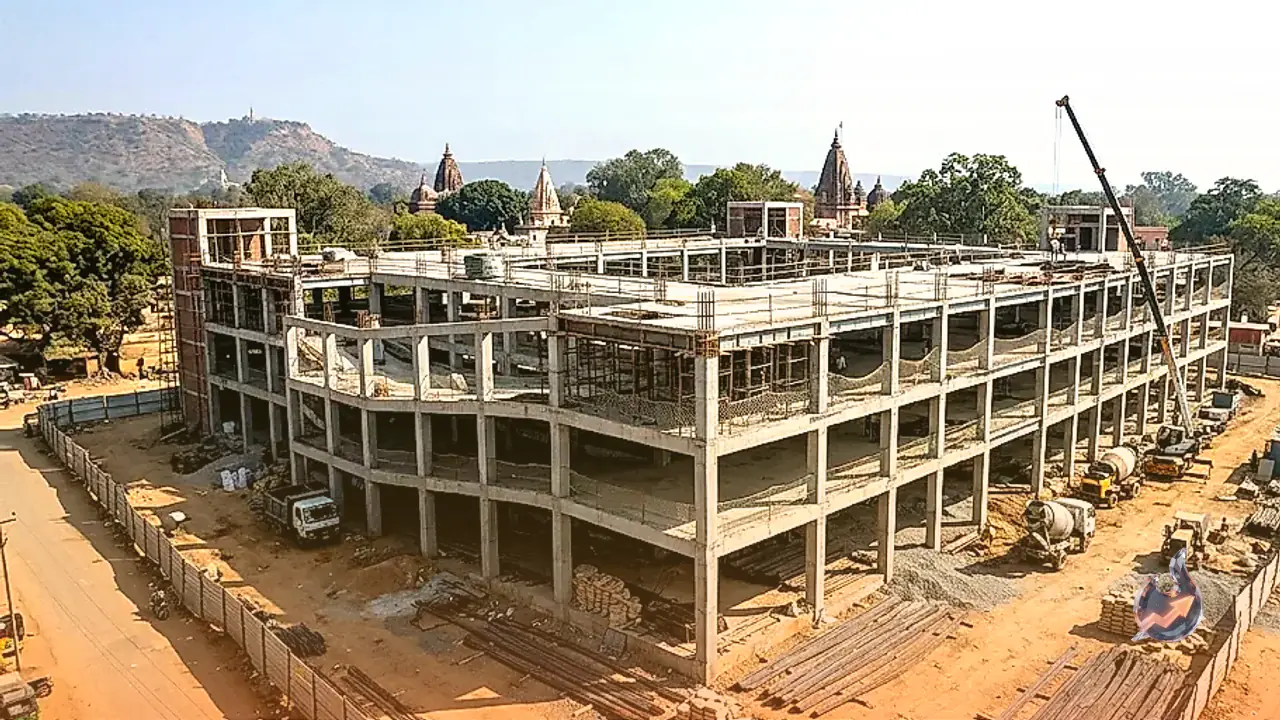
Following persistent appeals from heritage preservationists, an official announcement for its reconstruction was made in December 2022. Subsequently, conservation work commenced in June 2023 under the supervision of the Quli Qutb Shah Urban Development Authority, backed by an allocation of approximately 12 crore rupees.
Traditional Techniques Used for Repairs
Throughout the restoration process, traditional construction methods were strictly adopted to safeguard the historical identity of the monument. Instead of modern cement, traditional lime mortar was used, ancient woodwork was carefully restored, and the floors and pillars were meticulously brought back to their original aesthetic state.
A New Chapter as a Cultural Hub
With the conservation work now complete, authorities plan to transform the landmark into a dynamic cultural center. Facilities such as an art gallery and a visitor cafeteria are being developed on-site, allowing the public to engage deeply with the rich architectural heritage of Hyderabad.