




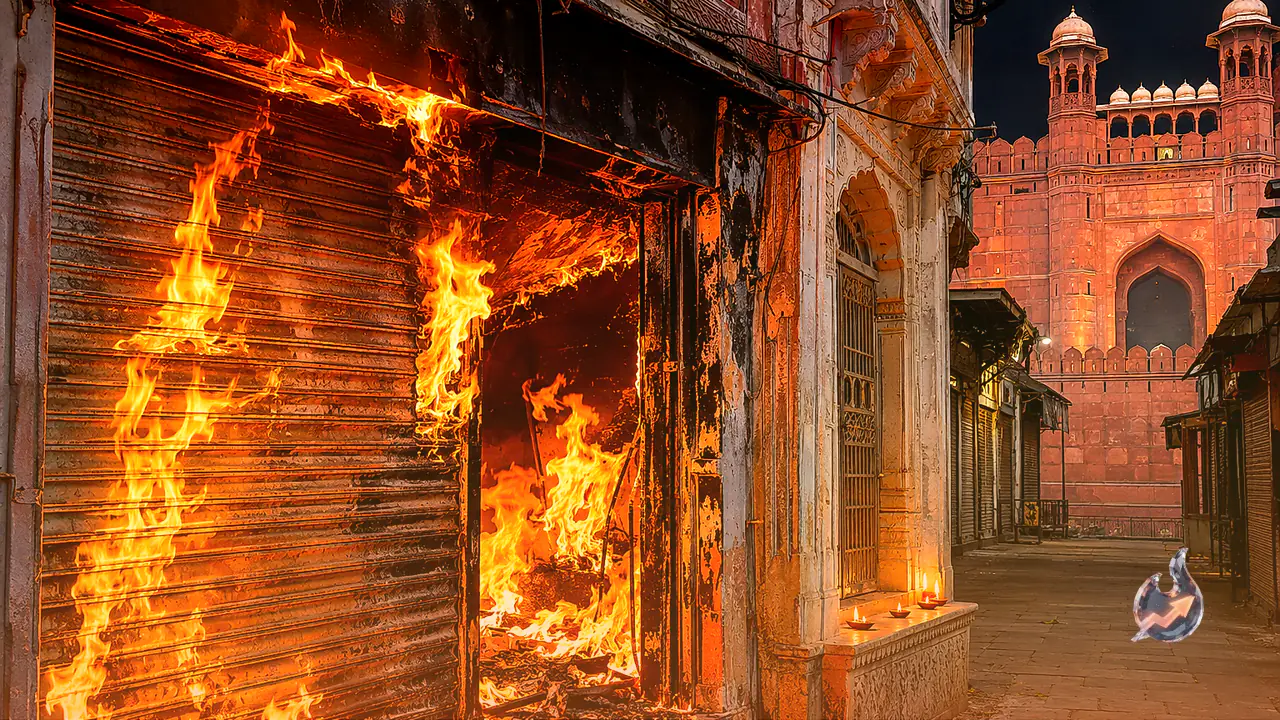

















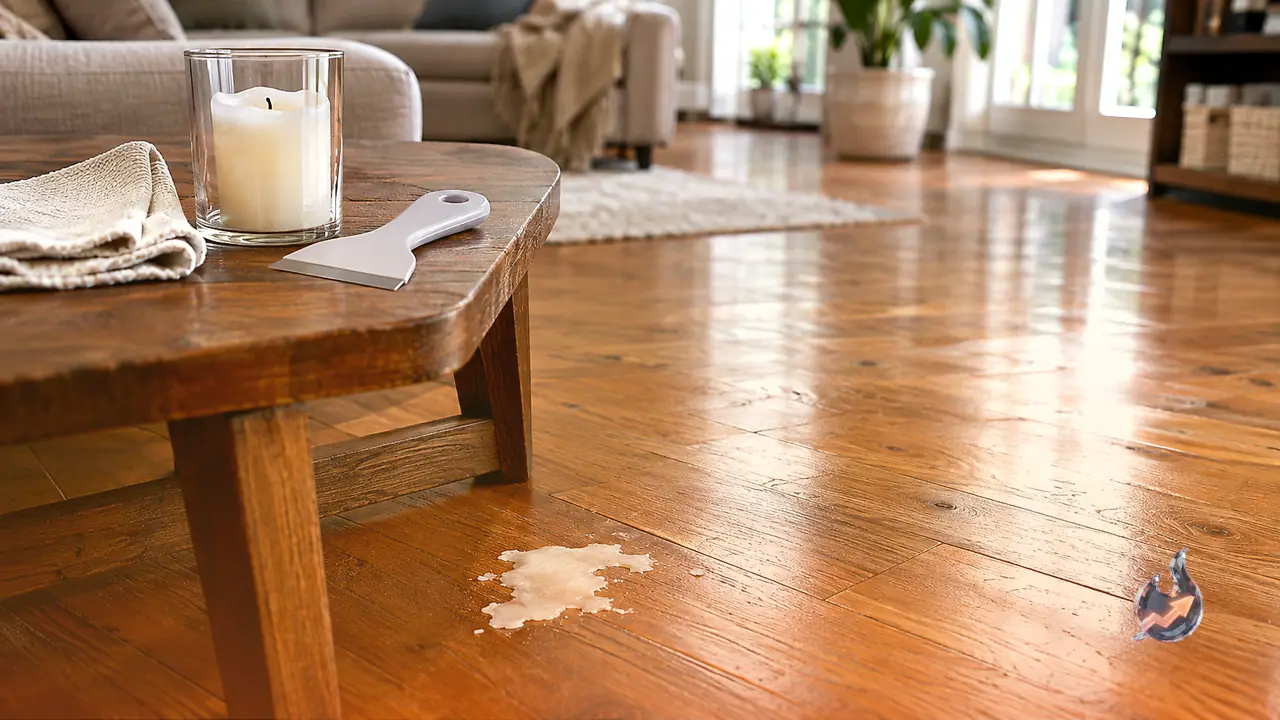

While the warm glow of candles and diyas adds festive charm during Diwali, the aftermath often leaves homeowners dealing with hardened candle wax spills across their floors. Once melted wax cools and solidifies, removing it with routine water and phenyl mopping proves almost ineffective. In frustration, many people resort to scraping the residue with sharp instruments, which risks permanently scratching and dulling the floor surface. However, by understanding how wax interacts with different flooring materials, you can cleanly eliminate these stubborn wax spots without causing any structural or cosmetic damage.
Avoid Wiping Hot Wax Immediately
When liquid wax drips onto the floor, the natural impulse is to wipe it away instantly using a wet cloth or towel. Doing so actually compounds the problem, as hot liquid wax spreads across a larger surface area and seeps into the microscopic grooves of the flooring material. The recommended first step is patience, allowing the spilled wax to cool completely and solidify before attempting any cleanup.
Once the wax has fully hardened, never use metal blades, knives, or steel wire scrubbers to dislodge it. Instead, opt for a plastic scraping tool, such as an old credit card or a plastic kitchen spatula. Work the thin edge of the plastic tool beneath the perimeter of the hardened wax and gently pry it upward. This flexible plastic edge effectively pops the wax off without leaving unsightly gouges on tiles or polished surfaces.
Utilize Ice to Harden Stubborn Wax
If the wax has adhered tightly to a textured floor and refuses to lift easily, applying cold temperatures offers a reliable solution. Place several ice cubes inside a sealed plastic bag and position it directly over the hardened wax spot for a few minutes. The extreme cold causes the wax to shrink, become brittle, and lose its grip on the floor surface.
After chilling the area, gently slide a plastic card underneath to pop the wax off cleanly. It is important to avoid letting bare ice sit directly on moisture-sensitive surfaces like hardwood or laminate flooring, as water runoff can warp or discolor natural wood. Always enclose ice in a waterproof bag during application.
Remove Residual Grease with Warm Water and Mild Cleaner
Even after peeling away the solid chunk of wax, a thin greasy film or haze often remains on the surface. To break down this remaining oily residue, prepare a mixture of lukewarm water and a small amount of mild floor cleaning solution.
Dip a soft cotton or microfiber cloth into the mild solution, wring it out until it is barely damp, and gently rub the greasy spot in circular motions. Once the wax residue clears, immediately wipe the area with a clean, dry towel to remove all traces of moisture and restore the floor’s natural luster.
Exercise Caution with the Iron and Tissue Method
A widely circulated cleaning hack involves placing a paper tissue over the wax spot and applying a mildly warm clothes iron to draw out the melted wax into the paper. While this method works well on fabrics or carpets, it is not universally safe for hard flooring materials.
Excessive heat can scorch, warp, or discolor sensitive surfaces like vinyl planking, laminate, polished hardwood, or sealed tiles. Applying direct heat without knowing the heat tolerance of your floor can cause irreversible cosmetic damage. It is best to avoid heat-based extraction methods unless you are entirely sure your flooring can handle thermal exposure.
Essential Safety Rules for Delicate Floor Surfaces
Protecting floor finishes requires avoiding aggressive chemicals and harsh scrubbing tools during the cleaning process. Never pour boiling water directly onto delicate floors, and stay away from acidic compounds, bleach, or abrasive pads that can strip surface protective sealants.
If your home features premium marble, granite, ceramic tiles, or hardwood, always conduct a spot test before applying any cleaning mixture. Apply a small droplet of the solution to an inconspicuous corner of the room to ensure it leaves no discoloration or dullness behind. Taking this precautionary step protects your investment while ensuring a spotless outcome.
Preventative Steps for Future Festive Season Decorating
The simplest way to avoid laborious cleanup after festivals is to take proactive measures before lighting candles and diyas. Always place candles inside wide ceramic trays, metal saucers, or protective coasters that can catch any dripping wax before it reaches the floor.
By establishing a physical barrier between decorative candles and floor surfaces, you prevent wax from sticking in the first place, saving considerable time and effort during post-holiday home maintenance.