








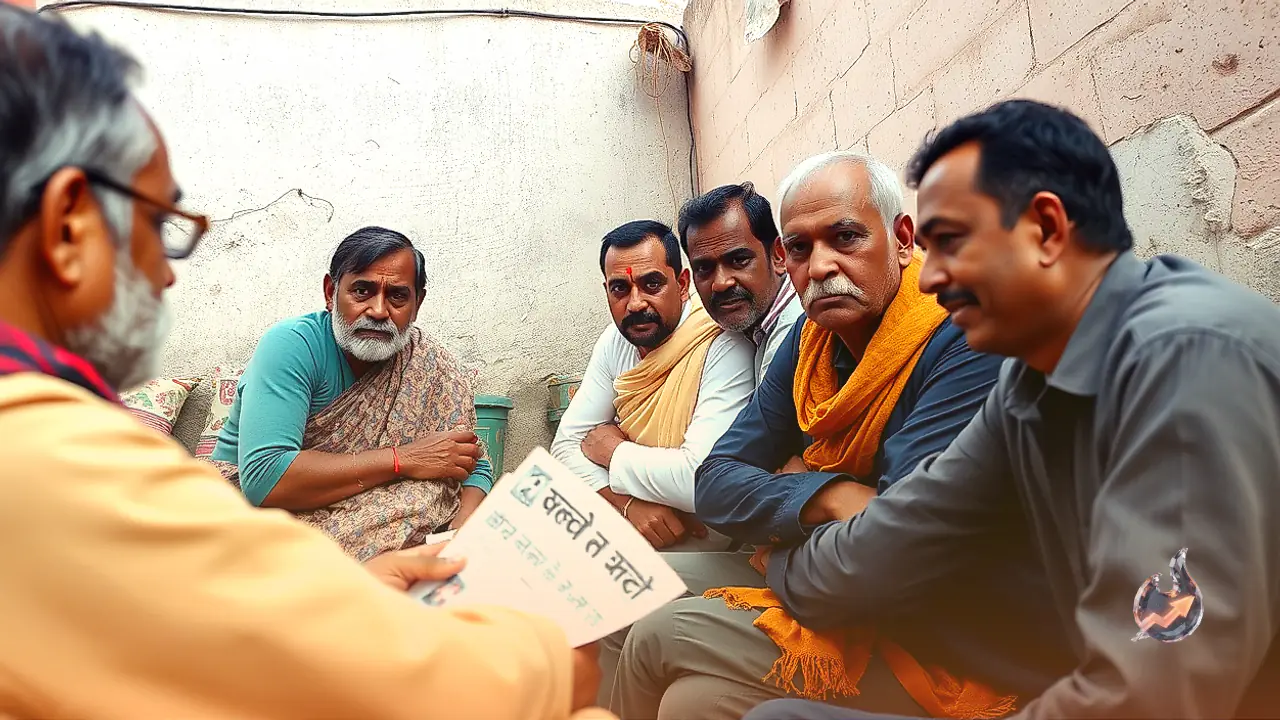














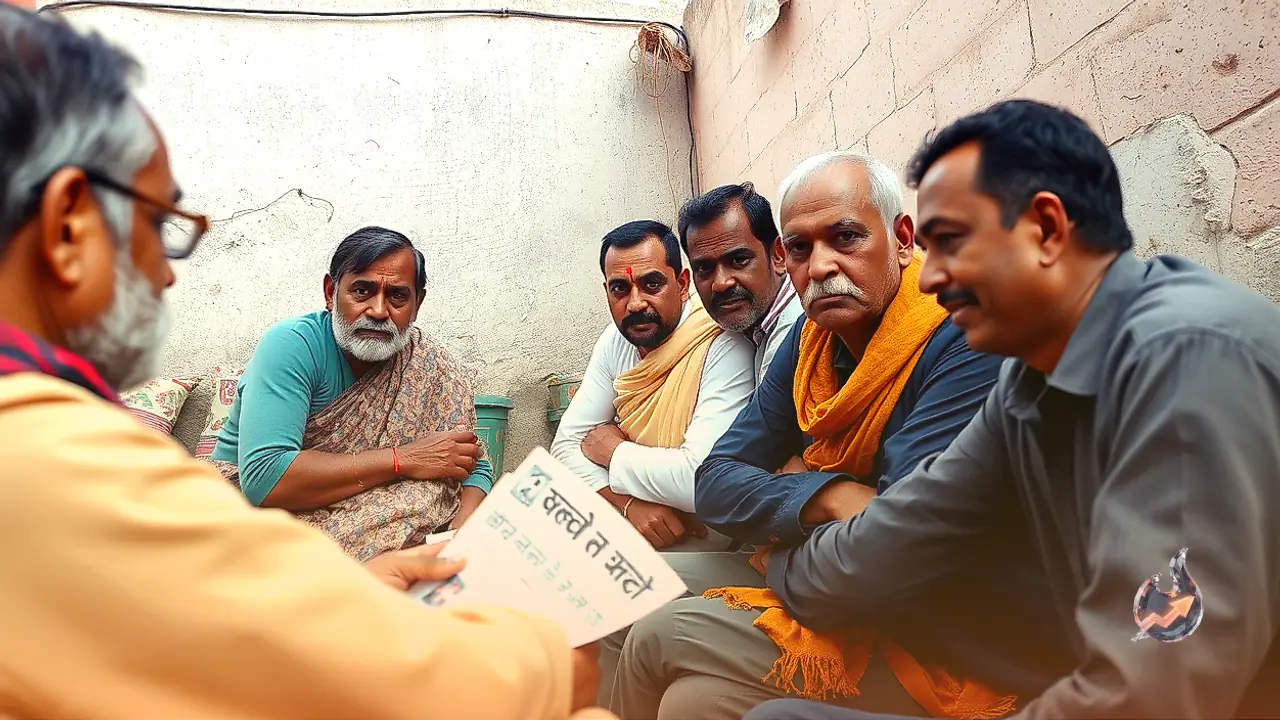

Financial transactions between friends and family members almost always begin with a genuine desire to help and a foundation of mutual trust. However, all too often, this very act of kindness eventually evolves into a painful source of bitterness and estrangement. When money lent in good faith fails to return within an agreed period, frustration naturally creeps in. Over time, that silent resentment erodes casual conversations, strains family gatherings, and permanently damages the warmth that once defined the relationship.
Acharya Chanakya, in his profound teachings on statecraft, ethics, and worldly wisdom, consistently warned against allowing unbridled emotion to govern financial decisions. His principles emphasize the importance of pragmatic thinking over sentimental impulses when dealing with material resources. Lending money to those in our close circle demands clear boundaries, self-awareness, and disciplined expectations. To ensure that offering a helping hand does not end in ruptured personal ties, one should carefully observe five foundational insights from Acharya Chanakya.
Mentally Treat the Lent Sum as Already Forgone
Before handing over any amount to a friend or relative, a person must pause and ask a fundamental internal question: can I remain completely at ease and mentally untroubled if this capital never returns? If the sincere answer to that question is negative, it is far wiser to politely refrain from extending the loan. Protecting personal peace of mind must take precedence over an awkward attempt at generosity.
If one does decide to provide financial assistance, it is critical to abandon any rigid inner conviction that the repayment will arrive punctually. Constantly tracking the calendar after dispensing the funds, questioning why the borrower has not settled their balance, or scrutinizing their purchases and leisure outings only breeds toxic irritation. Watching someone spend money while owing you funds inevitably strains warmth and civility. Therefore, limit your financial assistance strictly to an amount whose complete forfeiture would not disrupt your daily emotional equilibrium.
Restrict the Amount So Your Regard for the Bond Remains Intact
Every individual possesses an emotional threshold beyond which an outstanding loan begins to crush the affection they hold for a person. Consider a scenario where an individual lends a substantial sum of money to a close relative, only for that borrower to delay repayment indefinitely. If that lender later witnesses the borrower purchasing a brand-new vehicle, buying expensive electronics, dining out at lavish eateries, or wearing designer clothing during festive celebrations, natural resentment will brew.
The lender inevitably starts wondering why personal indulgences are prioritized over meeting pending obligations. At that very juncture, genuine warmth evaporates, replaced by quiet suspicion and guarded politeness. To prevent this deterioration, Acharya Chanakya advises keeping the loan size modest enough that its non-return will never poison your respect or goodwill toward the borrower. A minor financial delay rarely destroys a friendship, but a frozen fortune has the power to dismantle lifelong kinship.
Document the Capital and Repayment Schedule in Writing
Sharing a bond of kinship or deep companionship does not mean that delicate financial arrangements should be left entirely to unwritten assumptions. Recording the exact sum provided and fixing a mutual deadline for its return—even through a simple written note or a concise WhatsApp message—is an invaluable habit. The intention here is not to prepare for a courtroom battle or enforce harsh legal measures, but rather to establish transparent clarity between both parties.
Misunderstandings frequently arise because borrowers mistakenly assume that informal family loans carry no rigid timeline, whereas lenders quietly harbor specific expectations about when the capital will be returned. A written record dramatically diminishes the room for conflicting memories and false assumptions. Furthermore, having a clearly agreed timeline relieves the borrower from unnecessary feelings of unspoken guilt while sparing the lender the awkward chore of repeatedly offering uncomfortable reminders.
Provide Monetary Relief Only Once for a Single Crisis
Standing beside an acquaintance during a genuine emergency is undoubtedly a noble human impulse. Trouble emerges, however, when a second plea for cash arrives before the initial loan has been retired. The first intervention is legitimate solidarity during a trial, but allowing that behavior to repeat uninterrupted gradually transforms the lender into a permanent financial crutch.
To maintain healthy dynamics, an individual must establish a firm personal rule: no fresh capital should be extended until the previous balance has been cleared in full. Enforcing this policy is not an act of cruelty or emotional coldness; rather, it is a necessary mechanism for maintaining sustainable boundaries. It prompts the borrower to confront their broader financial realities and prevents the friendship from degenerating into a purely transactional, one-way dependency.
Never Weaponize an Unsettled Loan in Unrelated Disputes
In close circles, unpaid debts frequently cross the boundary of simple economics and become potent emotional artillery. During an unrelated family dispute, a heated argument, or an awkward public gathering, individuals often yield to the temptation of bringing up past financial help. Blurted remarks such as reminding someone how much assistance was provided during their darkest hour or demanding settlement in front of onlookers can deeply humiliate the recipient.
Such biting public remarks leave behind enduring scars that can rarely be healed by subsequent apologies. If concerns or frustrations exist regarding an unpaid sum, the matter must be addressed strictly in private, focusing solely on the financial logistics. Financial discussions should never be intertwined with unrelated domestic disputes, old rivalries, or personal character judgments. Keeping accounting matters strictly separate from personal dignity ensures that mutual respect survives the test of time.